

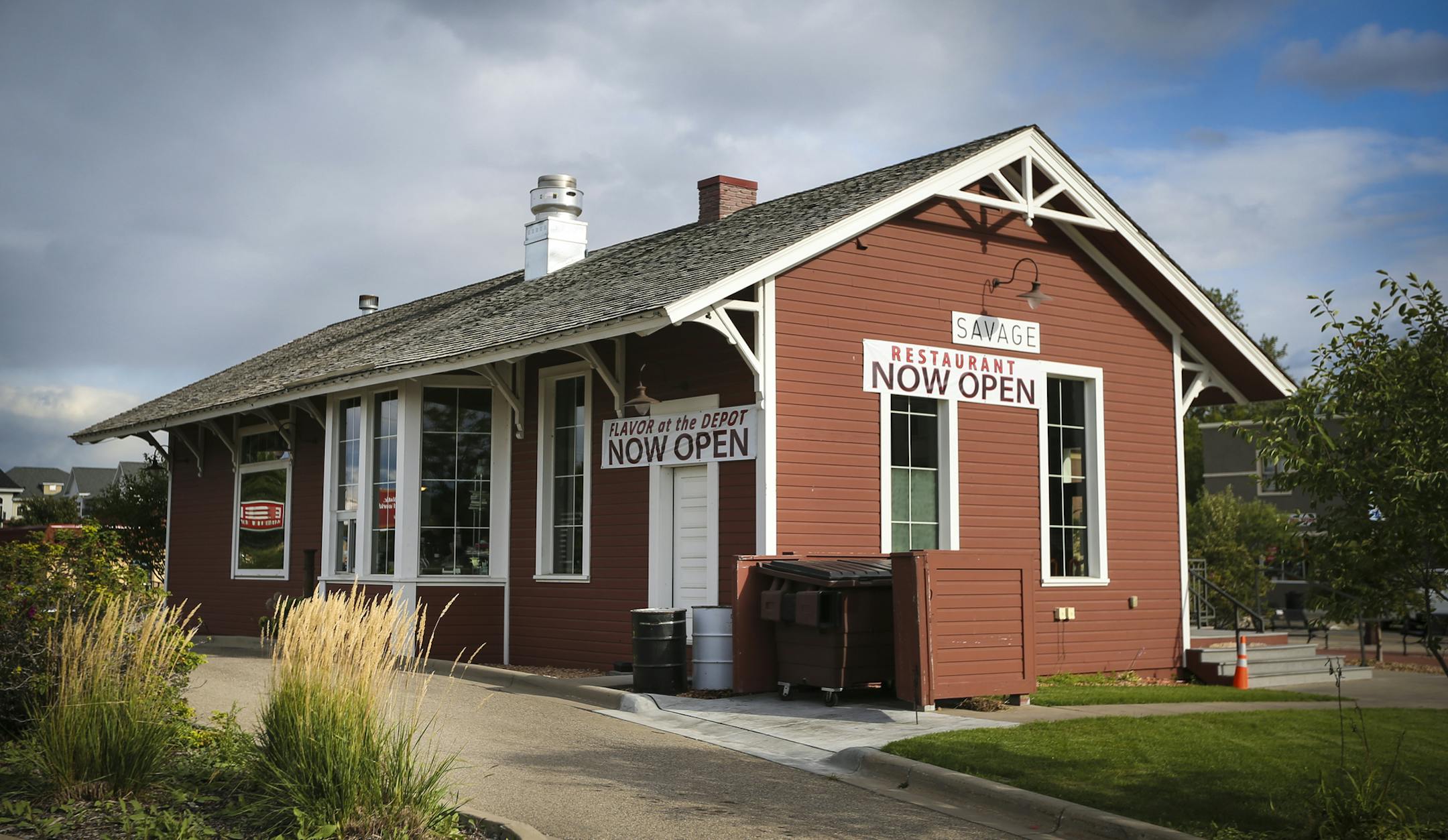
Eight years ago, a small but vital piece of the city of Savage's history rolled in on a truck at 3 a.m.
Built in 1880, the Savage Depot served as a railroad station until 1970, its deep-red siding and wide plank floors a familiar sight to anyone who picked up mail or freight. With renovations and a new coffee shop inside, it was about to become an iconic gem at the heart of a revived downtown. Or so the city hoped.
"My dream was that it would be open for the people to enjoy," said Mayor Janet Williams, "because the city of Savage doesn't really have that many historic buildings."
Today, though, reality is hitting home.
Two previous tenants with shops in the Depot have struggled to make ends meet and given up. The current franchisees recently asked the City Council to keep allowing them to rent the space for $1 a month plus taxes — a temporary concession. The owner of nearby Neisen's Sports Bar, Dan Neisen, said he's pleased the Depot has a tenant and is bringing people downtown, but added: "No one helped the other businesses around here get going."
Savage isn't the only Twin Cities suburb to confront the costs, complications and passionate opinions aroused by the noble intent of rescuing pieces of true historic character amid subdivisions and chains.
Just last week, members of Eagan's City Council learned that even people interested enough to attend the 100th anniversary party for the city's historic Old Town Hall were concerned about the enormous cost of restoring the fire-damaged building and planting it as a focal point amid the city's municipal campus.
Eagan Council Member Paul Bakken told colleagues he will have a hard time charging taxpayers for "the cost for a facility that, although we like it … doesn't have as much broad-based support as things like roads and parks."


