Suburban communities across the metro area are rebuilding themselves with the aid of a controversial development subsidy that once played a major role in reshaping Minneapolis.
While Minnesota's largest city has largely weaned itself off the tool, the taxpayer subsidy is now underwriting growing visions of suburban renewal as the first generation of postwar suburbia reaches middle age.
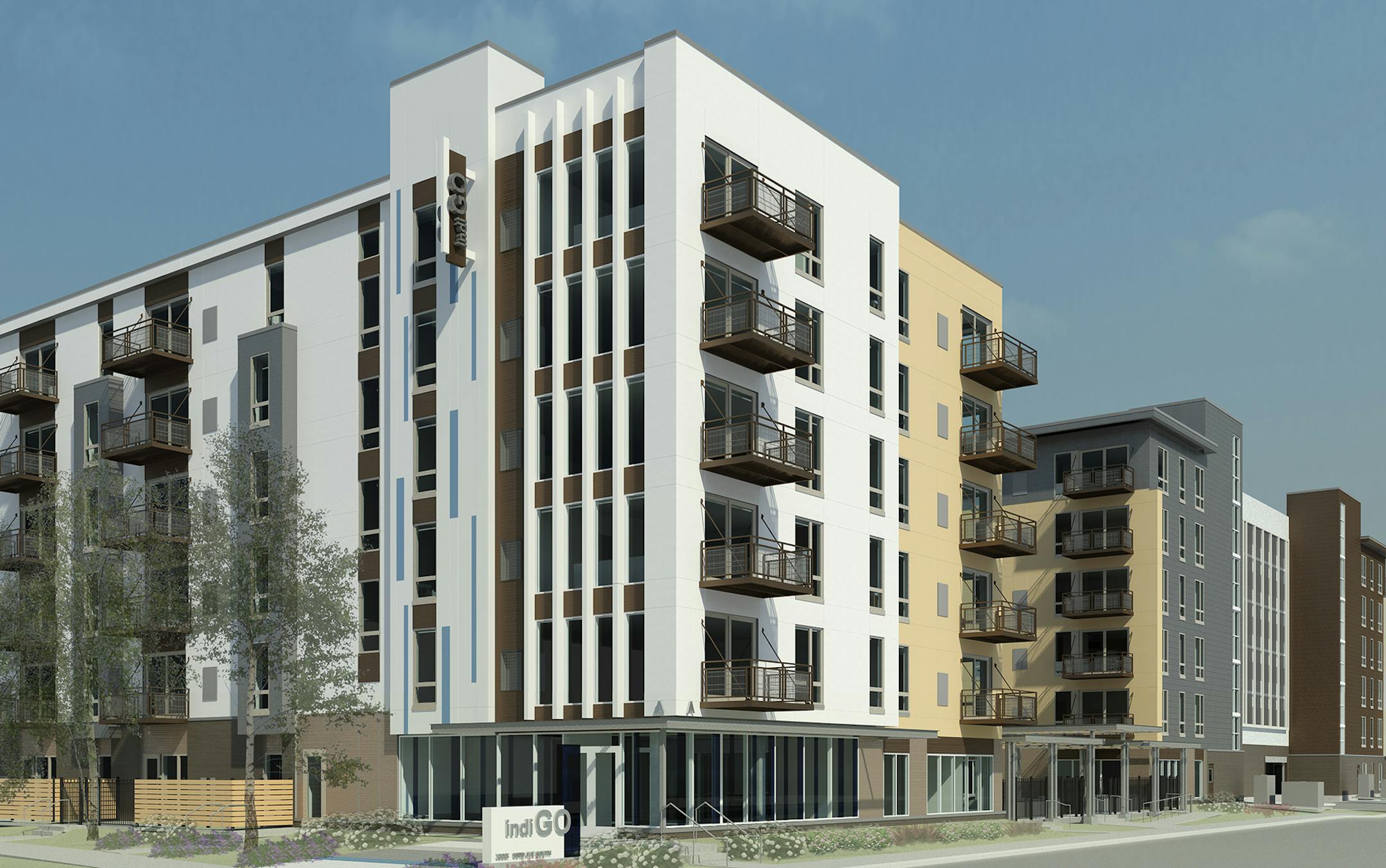
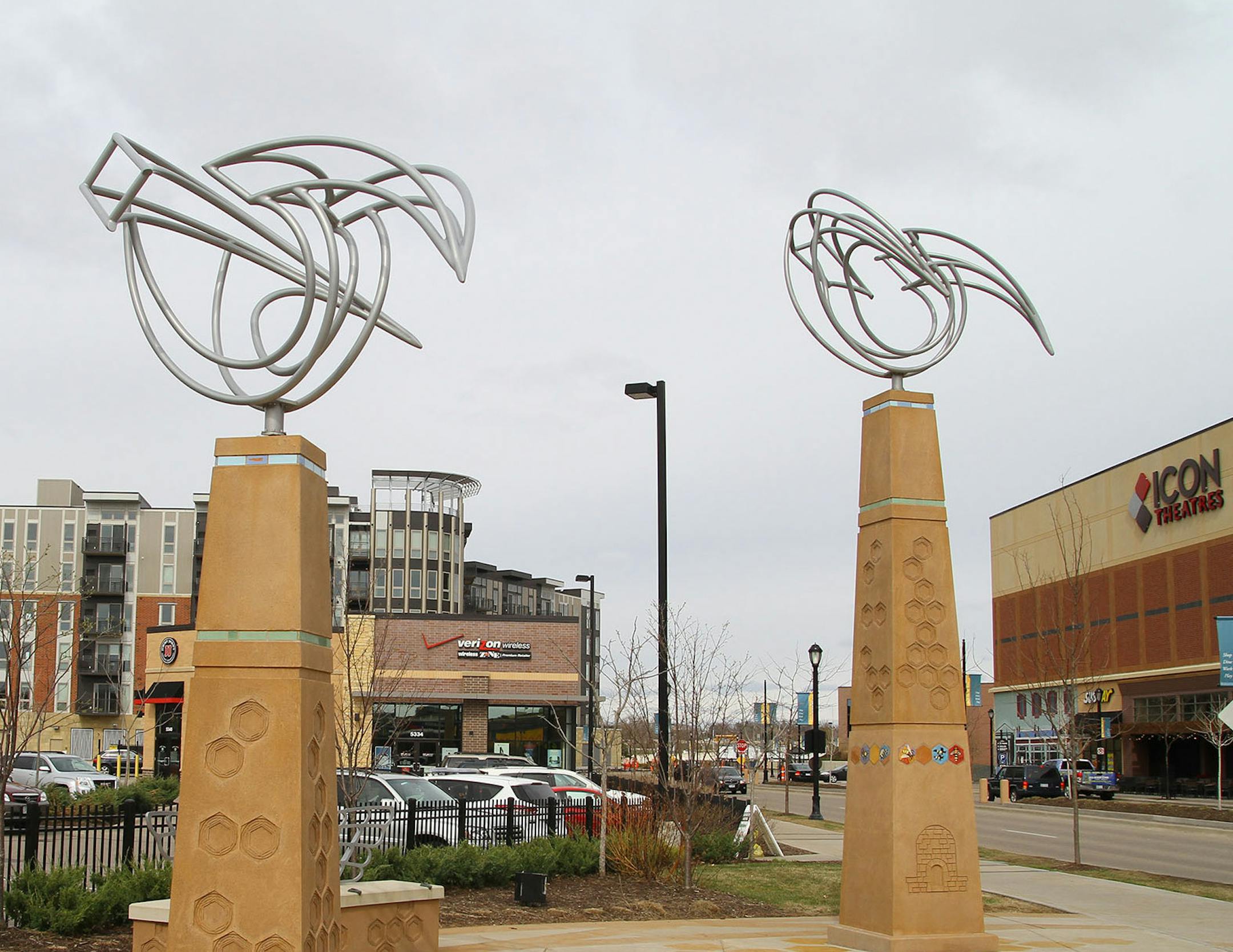
It's the backbone of Edina's plan to rebuild a massive 1960s office park; of Wayzata's new downtown housing and retail complex; of glitzy outdoor malls in St. Louis Park and Eagan; and mixed-use districts around several Northstar commuter rail stations.
The 15 costliest subsidy districts approved in the last five years — based on potential budgets — were all in the suburbs or outstate Minnesota, according to the state auditor's office.
"The more savvy cities know that they have to constantly upgrade infrastructure, deal with blighting influences, work on major redevelopment projects," said Jim Casserly, an attorney who advises cities. "They have to do that or they go into decline."
Called tax-increment financing, the tool diverts anticipated local government tax revenue from a project to pay for some development costs. Developers say that they couldn't afford to complete such ambitious projects without the financial assistance, but the incentive also shorts cities, schools and counties of the new tax revenue.
Stacie Kvilvang, a senior director at the consulting firm Ehlers, said suburbs are seeking "wholesale change" with large mixed-use projects that typically include retail, housing and offices. Use of the tool dates back decades, but she said that visions have grown grander in the last 10 to 15 years.
Only some costs are eligible for assistance, such as parking ramps, demolishing buildings, utility work or improving roads. The budget estimates are based on each city's highest development aspirations and the needed public support, which do not always materialize. Taxes from the new projects are often used for decades to pay off the initial public support — about half of which is often for interest — effectively growing the city without generating additional money for police, fire and schools.
![GLEN STUBBE • gstubbe@startribune.com -- Edina, Minn. -- January 26, 2010 -- ] Pentagon Park in Edina was supposed to make way for a hotel but the complex is close to foreclosure. ORG XMIT: MIN2014060722200859](https://arc.stimg.co/startribunemedia/7XU6JZQQNYHGJOB3TAREMGHPKQ.jpg?&w=1080)
![At the Lunds and Byerly's Kitchen in downtown Wayzata, the extensive salad bar is a popular destination.]richard.tsong-taatarii/rtsong-taatarii@startribune.com ORG XMIT: MIN1404021339380101](https://arc.stimg.co/startribunemedia/3JBOLS74TINDKCE2YVFHOQ3MTY.jpg?&w=1080)
![Looking down one of the passages lined with store fronts at Twins Cities Premium Outlets. ] The first Twin Cities outlet mall to be placed in a first ring suburb instead of an exurb opens today (Thurs) in Eagan. 123301 Outlets 20035776C (DAVID BREWSTER/STAR TRIBUNE) ORG XMIT: MIN1408141849546206](https://arc.stimg.co/startribunemedia/ET7SVVOZSXOBCX6HCGBMFU2NWU.jpg?&w=1080)
![The new Walmart in Roseville is pictured from beyond the roundabout at Twin Lakes Parkway and Prior Ave North on Friday afternoon. ] Aaron Lavinsky ï aaron.lavinsky@startribune.com Fifteen years ago, elections in Minneapolis were decided partly over the city's expansive use of a controversial tax subsidy tool. But the tables have turned in the wake of the Great Recession, as the suburbs now aggressively court redevelopment projects with the committment of millions in future tax revenues. Th](https://arc.stimg.co/startribunemedia/ZDETS57DH7RDAUGQRASN2U4VVE.jpg?&w=1080)