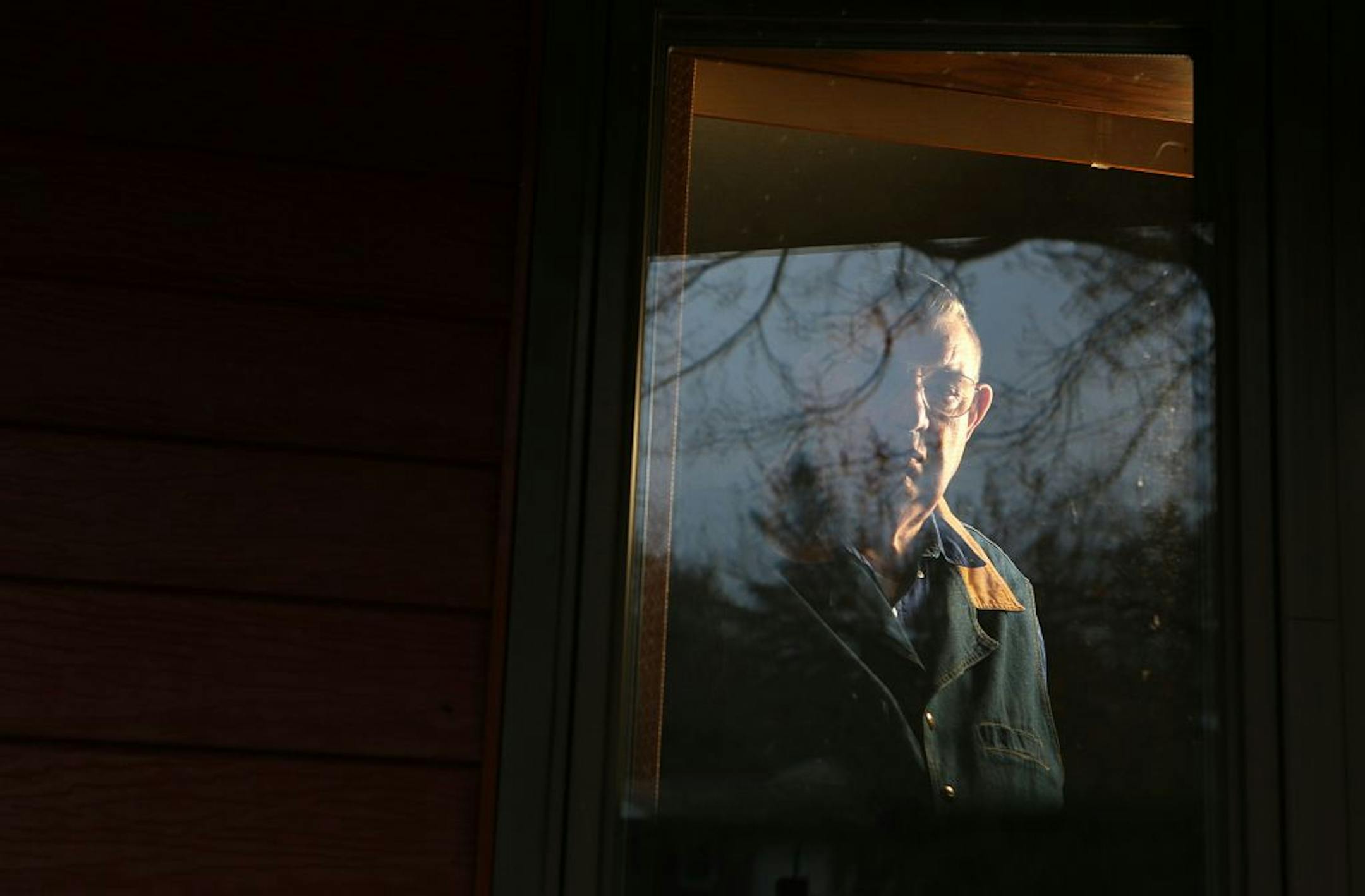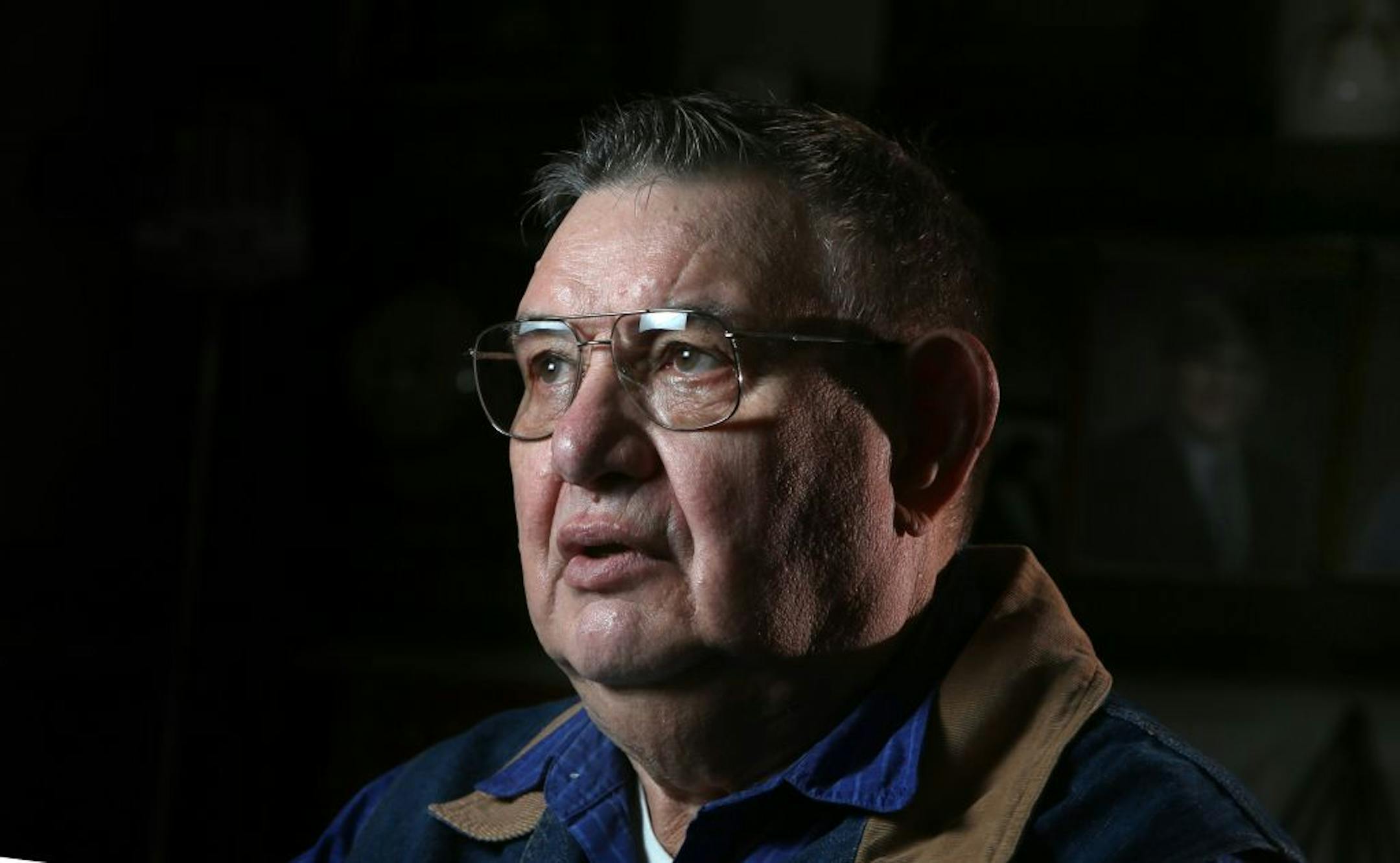
Suburban voters like Norbert Timm find themselves squarely in the sights of Republicans and Democrats seeking the last few uncommitted presidential voters.
Timm leans toward Republican Mitt Romney, but the Minnetonka retiree doesn't understand why rich investors should pay a lower tax rate than guys who dig ditches. But he's also not exactly thrilled with the weak economy and high government spending under President Obama.
"The job situation is not good," said Timm, 79, who has watched one of his three grown sons suffer through a long bout of unemployment.
A former computer repairman, Timm calls himself "damn independent." And voters like him in the affluent southwestern suburbs like Minnetonka, Eden Prairie and Edina closely resemble the up-for-grabs swing voters in the 10 or so battleground states that the campaigns are targeting this year.
Neither uniformly Democratic nor Republican, these communities have become a bellwether of the nation's shifting political winds. Their manicured lawns and high-end cars belie a silent tug-of-war over competing political ideologies, with many suburban voters residing quietly in the middle of the spectrum.
"The Democrats own the central cities and the first-ring suburbs," says former state legislator Myron Orfield, director of the Institute on Metropolitan Opportunity at the University of Minnesota. "If they have the wind at their backs, they push into the second and third tiers."
Republicans, Orfield adds, own the rim suburbs, the outer metropolitan edges, and much of rural America. "If they have the wind at their backs, they push into the second-tier suburbs, and the battlefield shifts back and forth."
'Middle ground'