

A grassroots effort to force a major last-minute change in Scott County's plan to cover most of its remaining open land with suburban subdivisions is gathering allies.
Officials from the University of Minnesota and the U.S. Department of Agriculture offered research support this week to a group that already includes experienced planners and leading figures in the county's organic farming community.
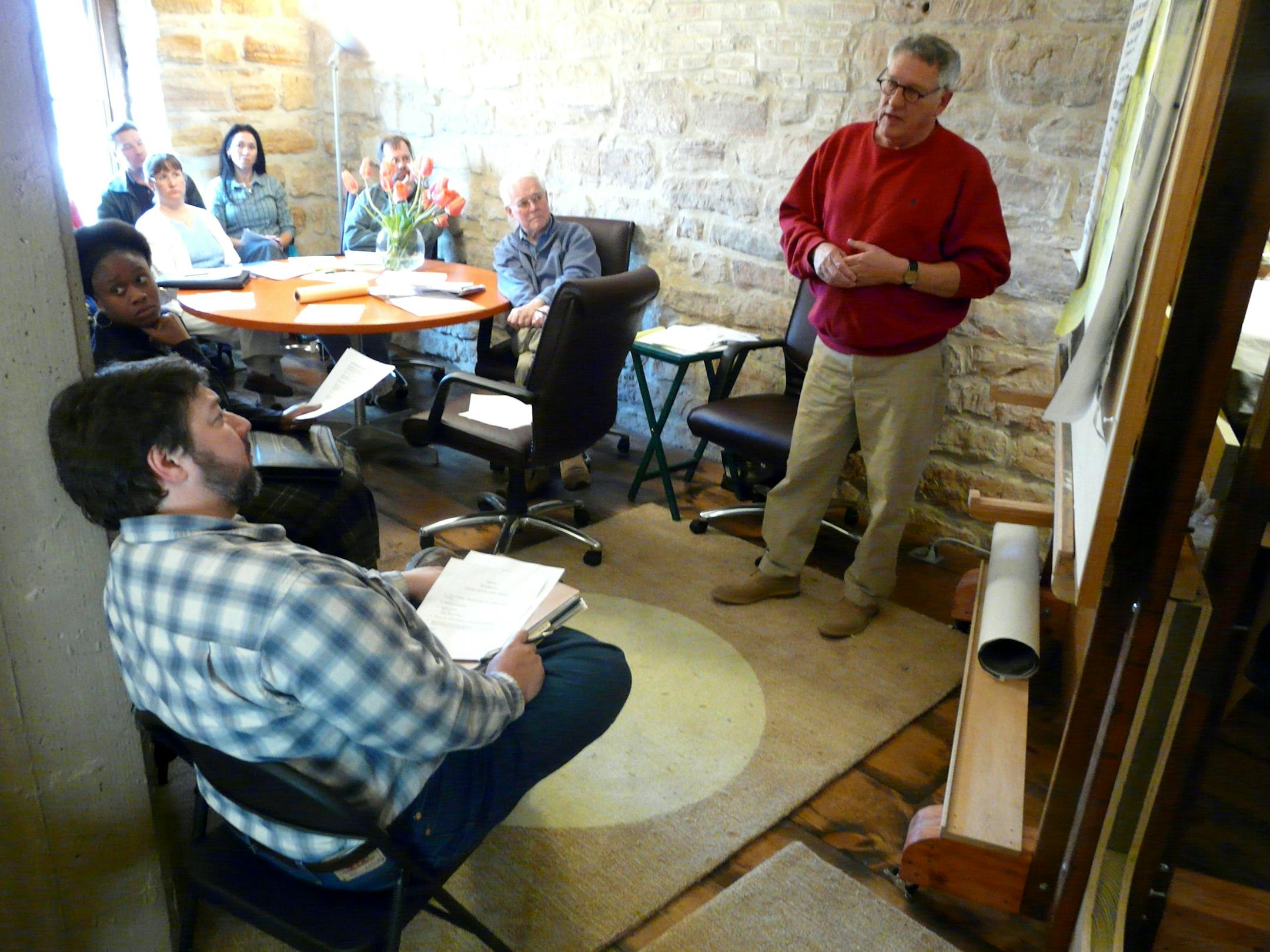
"Everyone who comes out here wants to live 'in the country,' " farmer and landscape architect Charles Wood told supporters of the approach during a meeting Tuesday night in a stone-walled room in Jordan's historic brewery building. But under the county's current plans, he added, "they will never know what freshly cut alfalfa smells like."
The county's planning manager, Brad Davis, listened as Wood outlined a vision for a future more closely resembling European villages, with scattered "settlements" amid a mostly agricultural landscape.
"It would be a big mind shift in the county," Davis told the group after he asked some questions about how the new concept would work.
One major question, he said: whether to create a "hopscotch" quilt of differing uses, sometimes annoying to one another, or a more basic division in which large contiguous areas are reserved for farming.
Some county commissioners and the county administrator, Dave Unmacht, have signaled a willingness to listen to alternatives after advocates dominated a nearly six-hour public hearing on the plan in March.
Advocates say they want to do the same thing for farmland as the county already plans to do for woods, creeks and other natural features: begin by identifying the most valuable resources, and try to work everything else around them. Prime farmland would be zoned for agriculture forever, with developers directed to lesser-quality soils.


