

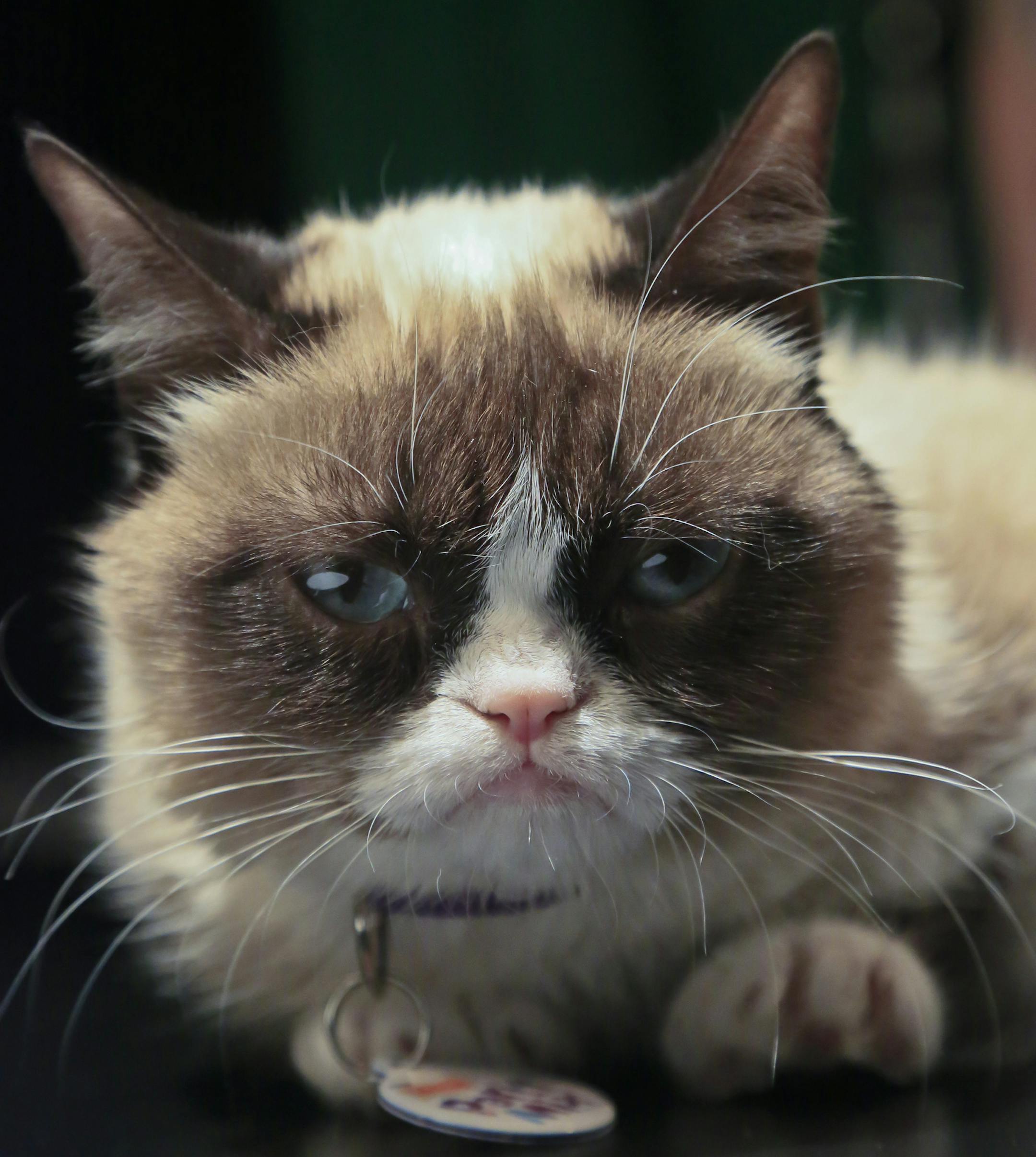
The agony of unrequited love. It may be what keeps us devoted to the felines in our lives.
A recent study confirms what cat owners have long known. Our cats understand us when we talk to them, they just don't give a fig about what we have to say.
A study by two University of Tokyo researchers, published by Springer in Animal Cognition journal, determined that cats recognize their owners' voices from those of strangers. The test included 20 domesticated cats from 14 homes that were tested in their own familiar places, so the stress of moving them to strange surroundings had no role in the outcome of the tests. With the owners out of the cats' line of vision, researchers played recordings of three strangers calling each cat's name followed by a call from the cat's owner and then by the call of another stranger.
Researchers charted the cats' reactions by measuring a number of responses, including head movements, tail and ear movements, eye dilation and vocalization or whether they moved their paws.
When strangers called their names, the cats had no reaction to the voices whatsoever. When the cats heard their names being called by their owners, they moved their heads and ears to locate where the sound was coming from.
Researchers say it proves that while cats can distinguish their owners' voices, their responses are not communicative.
In other words, he hears you just fine, he just doesn't care what you want from him.
The study suggests that the reason cats are so standoffish might be traced back to their early domestication 10,000 years ago. Dogs are bred and have evolved "to follow their owner's orders, but cats have not been," one of the study's authors told Discovery News. They were not domesticated to work with people as dogs were and consequently feel themselves our equals.


