

Dennis Anderson
Duck behavior is both predictable and mysterious. Weather often influences when these birds fly and how far. Habitat availability and hunting pressure also play roles in what ducks do and when.
Yet predictions about how these fowl might react to these or other variables are difficult to make, as any hunter knows. Sometimes ducks fly in the rain, sometimes they don't. Wind can be a factor, and usually is — but not always. Plus, different duck species react differently, even to the same stimuli.
Diving ducks such as redheads and scaup provide one example. Most of these birds migrating south from Canada into Minnesota usually arrive in the state according to a schedule, from about Oct. 20 until Nov. 1, give or take a few days.
Blue-winged teal, by contrast, in most years are long gone by the time major flights of diving ducks enter the state.
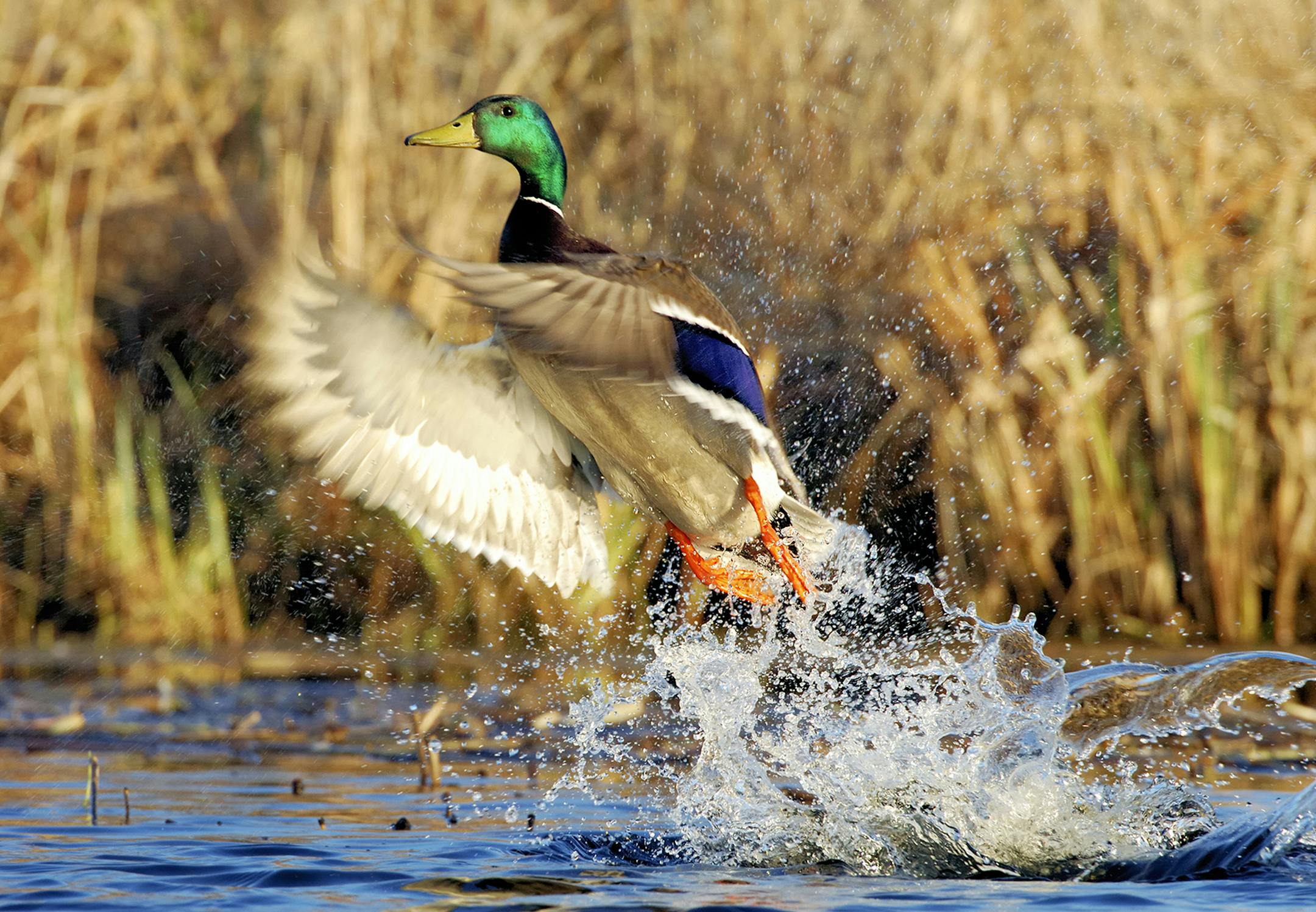
Mallards are another kettle of fish altogether. They seem willing to stay in the north deep into the fall, no matter the severity of weather in November and even early December, provided they have food to eat and water in which to dabble.
Bruce Davis, a Department of Natural Resources research specialist in Bemidji, is among those who are trying to understand more about duck behavior. This summer, he'll oversee the third and final installment of field studies aimed at understanding which factors cause mallards to leave the state in fall, how far these birds fly when they do leave and what habitat types they prefer en route.
"The object of the study is to get data on mallards during fall, when we don't have a lot of information about them,'' Davis said. "Quite a bit of study has been done about mallards in spring and early summer, during the breeding cycle. But less is known about what they do in fall."
Davis' research began in 2015 in both northern and southern Minnesota, when more than 100 captured mallard hens and juvenile drakes were fitted with tiny electronic backpacks capable of transmitting the birds' locations to a satellite.


