

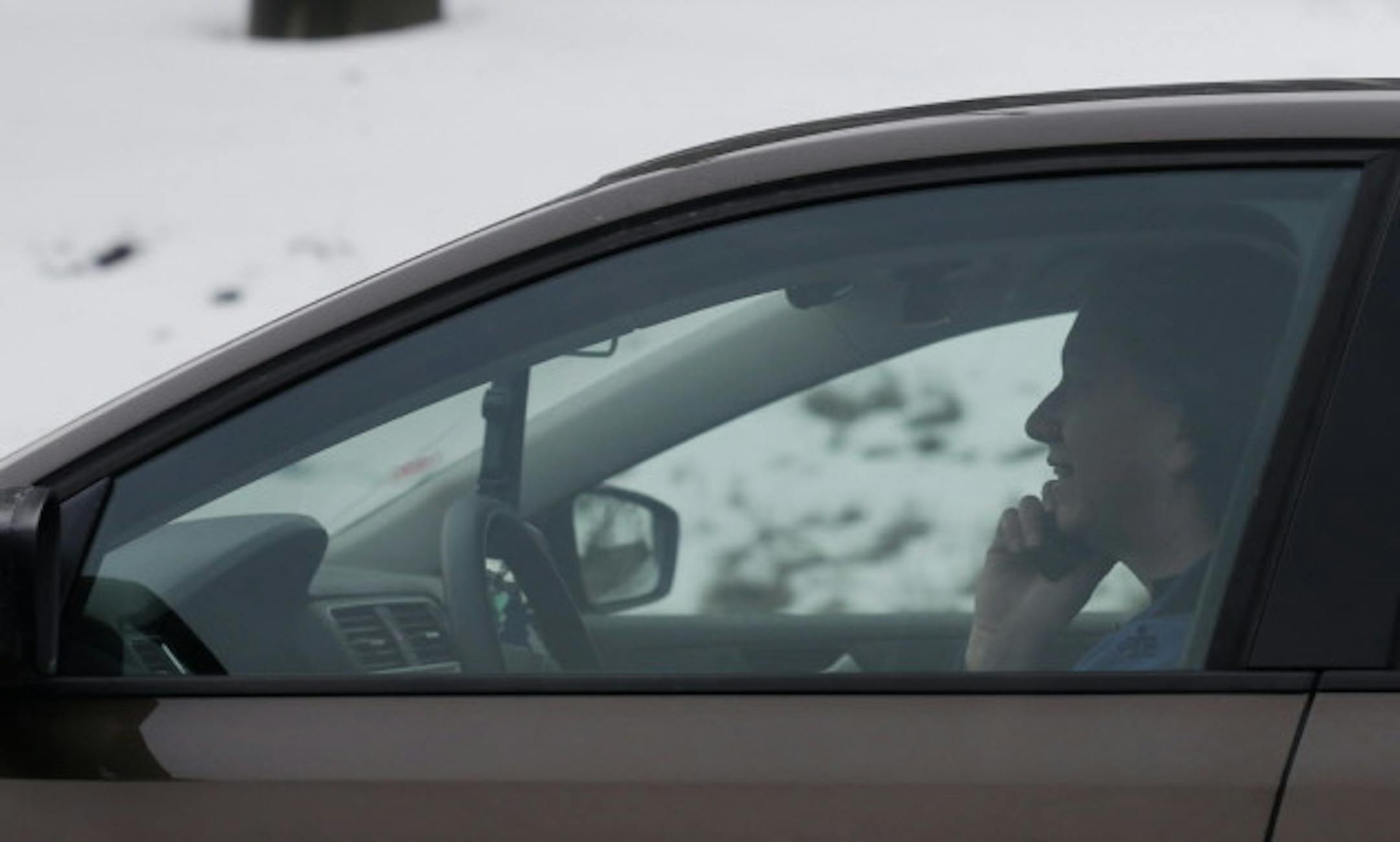
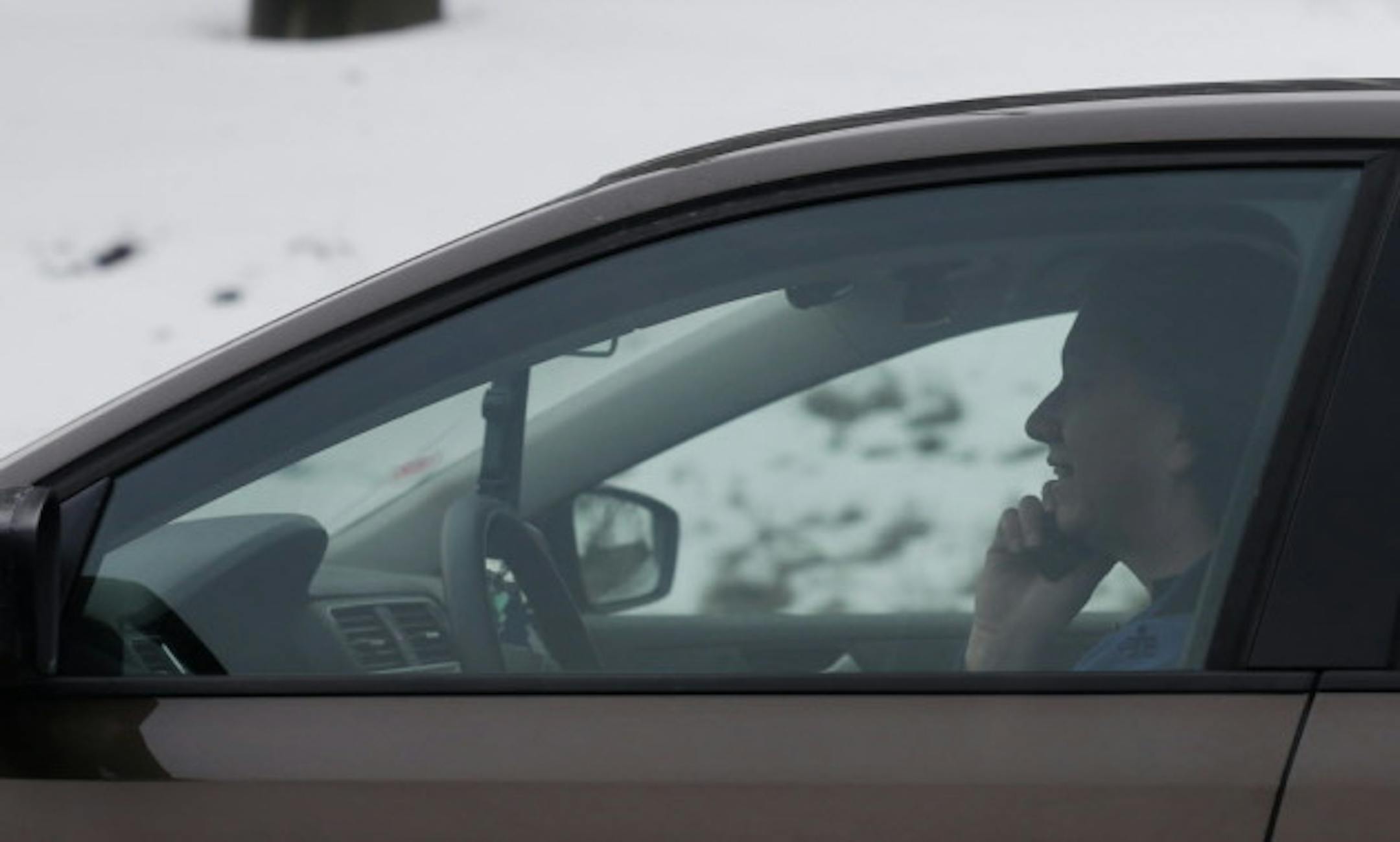
Previous studies have warned motorists about the dangers of texting while behind the wheel, but now comes word that dialing a phone number while behind the wheel may be even more risky.
In a study published in Thursday's New England Journal of Medicine, novice drivers were found to have odds 8.32 higher of getting into a crash or near-crash while dialing a phone number while behind the wheel than when they were not dialing and driving. The "Distracted Driving and Risk of Road Crashes Among Novice and Experienced Drivers" also said that adults also had increased odds. It said dialing was more dangerous than other distractions the study identified, including Internet use and texting, eating, gawking and reaching for cell phones and other objects.
Ironically, the study found that talking on a cell phone while driving did not heighten the risk for either teens or adults, but actions that proceed talking (reaching for the phone, dialing a number, looking up a contact or answering a call) greatly increased a driver's risk.
"Anything that takes a driver's eyes off the road can be dangerous," said Bruce Simons-Morton, co-author of study conducted by the National Institute of Child Health and Human Development, the National Highway Traffic Safety Administration and researchers at Virginia Tech University. "But our study shows these distracting practices are especially risky for novice drivers who have not developed sound safety judgment behind the wheel."
Novice drivers are more likely to engage in a "secondary task" more than experienced drivers, the study said. The research found that drivers who had their licenses the least amount of time had odds of crashing or nearly crashing 8 times higher when reaching for an object other than a cell phone and 7 times higher when reaching for a cell phone. The odds of crashing or nearly crashing were 3.9 times higher if they were looking at other objects along the side of the road and 2.99 times higher while eating.
The study defined a crash as any contact between vehicles or objects in which the driver was at fault or partially at fault. A new crash was defined as "any circumstance requiring a last-moment physical maneuver that challenged the physical limitations of the vehicle to avoid a crash for which the driver was at fault or partially at fault."
Experienced drivers were twice as likely of crashing if they were dialing a phone number while behind the wheel, according to the result of the study which followed 42 newly licensed drivers between ages 15 and 20 from southwest Virginia and 109 experienced drivers between the ages of 18 and 72 from the Washington D.C.area for 12 to 18 months. The mean age of the experienced drivers was 36 with an average of 20 years on the roads.
Researchers gathered information from video cameras, global positioning units, accelerometers and other senors to track lane vehicle performance and recorded behavior during the study period.


