

By John Keilman Chicago Tribune
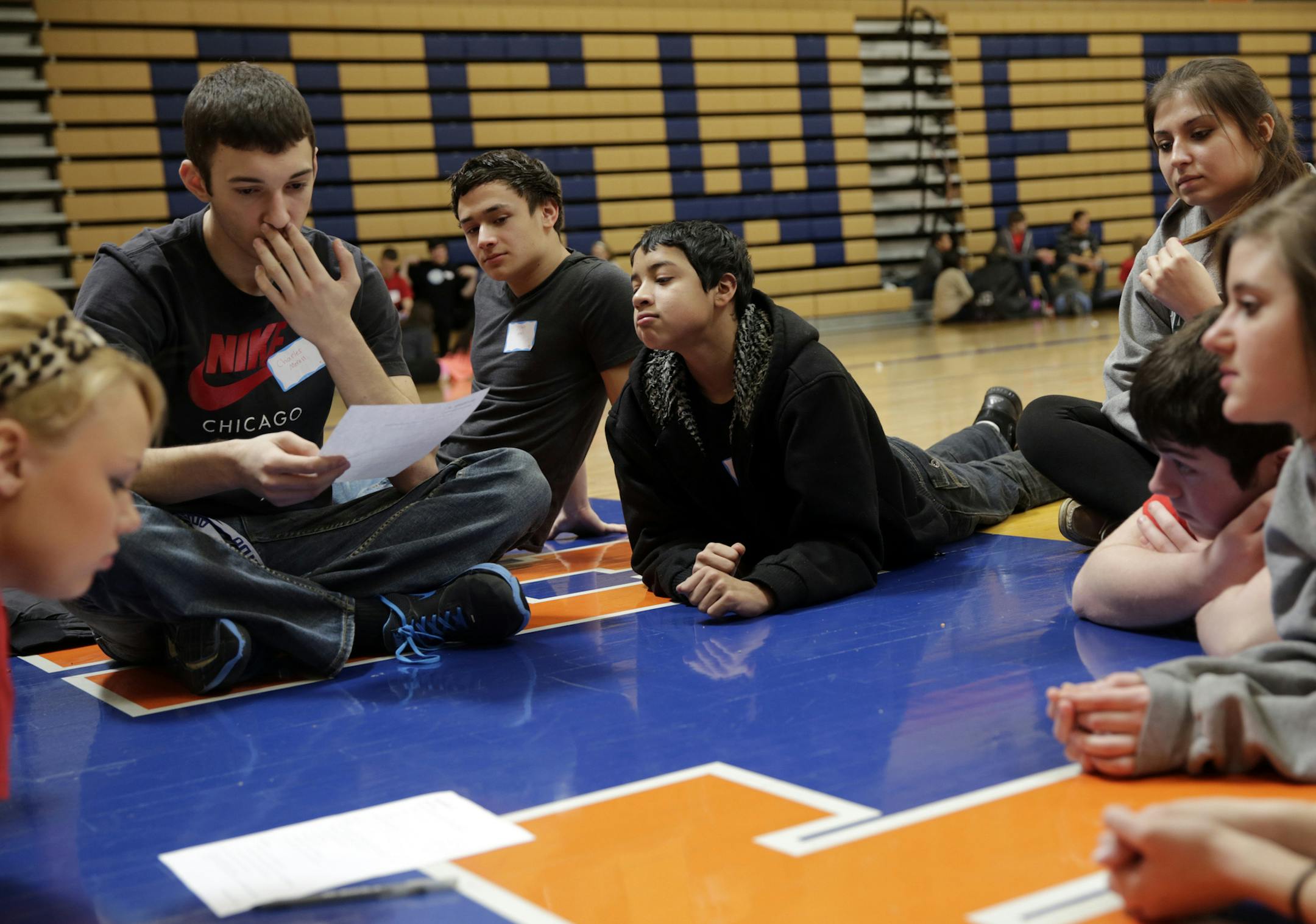
Alice Haben has spoken to many audiences about her son's 1990 death during an alcohol-soaked initiation ritual, and last month she shared her devastating story again, hoping to teach students at Oswego High School in a Chicago suburb about the danger of hazing.
But when her talk was over, it was clear some of the teens still didn't get it.
They broke into small clusters to talk about hazing, and after a few minutes of discussion, some concluded that though the act could be destructive, it also had the potential for good. Hazing can forge strong bonds and bring groups together, they said. "We're kind of undecided," one student said.
This confusion comes as no surprise to experts, who say it illustrates the psychological complexity of hazing and the lack of education on the subject. Though Illinois compels schools to teach students about bullying, there is no such requirement for hazing.
Teens "don't have any outside guidance saying this is wrong," said Mary Madden, a University of Maine education professor who, in a 2008 study, found that nearly half of high school students have been hazed. "Kids need help with understanding what hazing is. They need clear messages from adults that this is not acceptable behavior."
Two Chicago-area high schools have faced scrutiny for alleged hazing rituals this school year. The Hoffman Estates High School boys' basketball team forfeited three games after reports of a violent initiation came to light, while allegations of sexually aggressive attacks within Maine West's soccer and baseball teams have led to a lawsuit, a criminal investigation and the removal of two coaches.
Meanwhile, David Bogenberger, of Palatine, a village in Cook County, Ill., a 19-year-old freshman fraternity pledge at Northern Illinois University, died after allegedly drinking heavily during a November initiation party. Twenty-two Pi Kappa Alpha members face criminal charges, and Bogenberger's family is suing the fraternity.


