Ninth-grade science students usually learn Newton's second law of motion by copying and memorizing it.
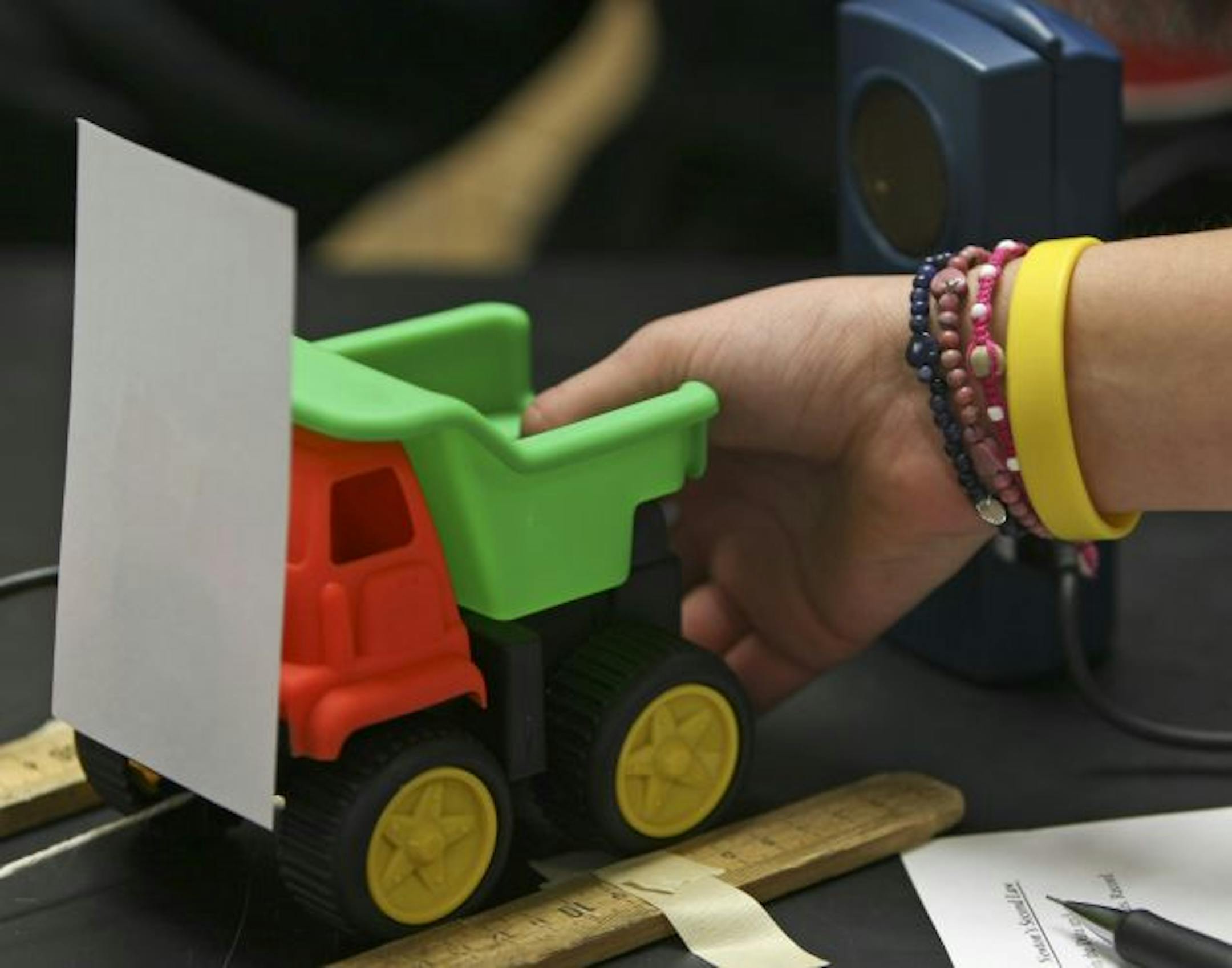
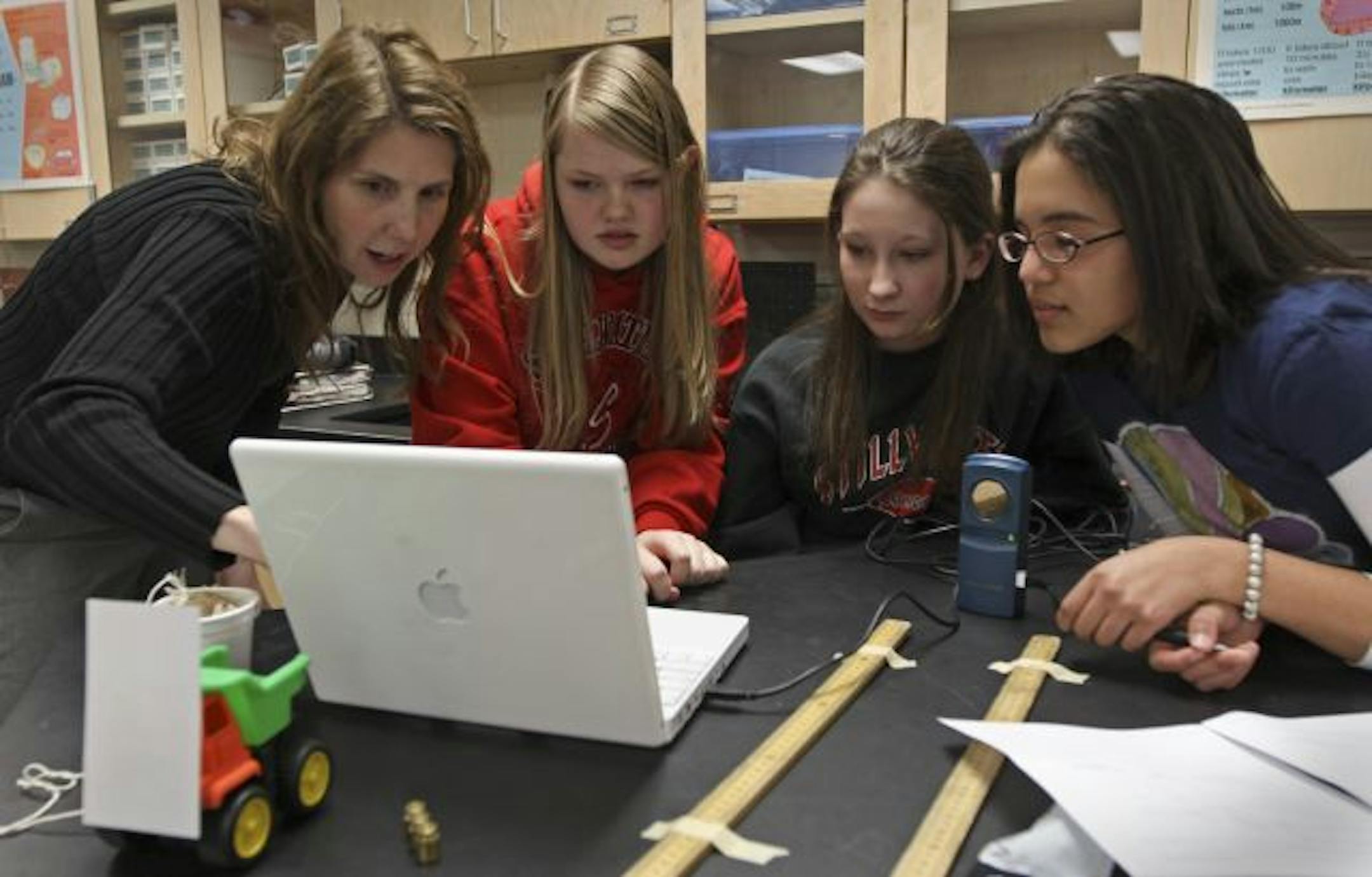
But in Katy Pupungatoa's class at Oak-Land Junior High in Lake Elmo, freshmen learn that force equals mass times acceleration in an experiment with toy cars, a sensor that measures speed, and their laptop computers, which instantly display results.
"When they actually see it, it makes a huge difference," Pupungatoa said.
All of the students in class, and in fact all 1,000 students at the school, have laptop computers supplied by the Stillwater School District that they take to every class and can take home every night.
This is the end of the sixth year of that program. Now, with uncertainty over how the state budget deficit will hit its finances, the district must decide whether to expand the program, curtail it or continue it largely intact.
No matter what district leaders decide this year, the march of technology into classrooms and its use in teaching will continue in Stillwater and everywhere, said Aaron Doering, assistant professor of learning technologies at the University of Minnesota.
He may be right. The Edina School District is in the early stages of formulating a plan that could put laptops in the hands of all its students from eighth grade on up. The Bloomington district is piloting a plan that gives some middle school students access to a laptop in every class, but keeps the laptops at school.
"I don't know how we can go back," said Stillwater Superintendent Keith Ryskoski. "We should continue to go ahead and make more technology available to our students."