

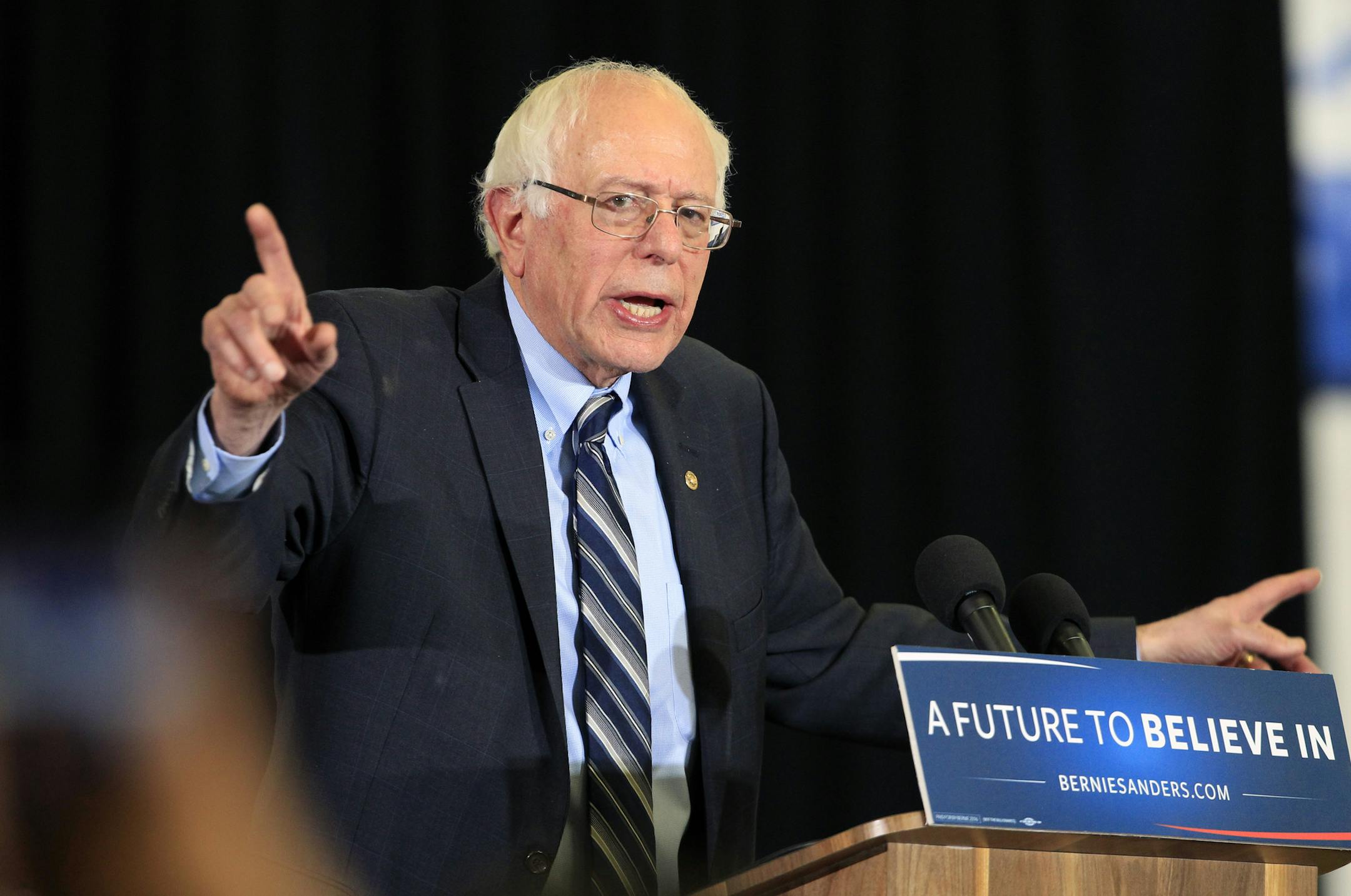
The day after Christmas, Bernie Sanders asked a question on Twitter: "You have families out there paying 6, 8, 10 percent on student debt but you can refinance your homes at 3 percent. What sense is that?"
Finance types may snicker. But I've seen this question asked fairly often, and it seems worth answering, respectfully, for people whose expertise and interest lie outside the realm of economics.
The short answer is: "Loans are not priced in real life the way they are in Sunday school stories." In a Sunday school story, the cheapest loans would go to the nicest people with the noblest use for the money: single mothers who need money to buy their kids a Christmas present, say.
That's splendid for the recipient. But what about the lender? Let's say you had $150 that you really needed to have at the end of the month, say to pay your rent. Would you want to lend it to the single mother whose income is stretched so tight that she needs to borrow money for Christmas presents, or would you want to lend it to some heartless leech of a securities litigator with an 800 credit rating who happens to have left his wallet at home?
C'mon. You know the answer; you just don't want to say it. If you really need the money — if you cannot afford to turn your loan into a gift — then you lend it to the better credit risk with the higher income, not the person who may find themselves too short to pay you when the loan comes due.
In aggregate, most of the money in your savings account is loaned out using this cold calculus, and unless you could afford to have that contents of that account suddenly vanish, you want it to be. That's why poor people, on top of all the other unfairness heaped upon them, pay higher interest rates. And that is why secured loans, like mortgages, get lower interest rates than unsecured loans, like credit card balances and student loans.
Student loans are two-for-one in terms of risk: They are frequently made to people with no income, no credit history, and somewhat imperfect prospects; and they carry no guarantee of payment other than the borrower's signature. If someone fails to pay their auto loan, you can take their car away. This ensures repayment in two ways: First, you can auction the car and recover some of the money that you lent out; and second, people need their car, and will scrimp on other things in order to keep it from losing it.
The immediate personal costs of failing to pay your student loans, on the other hand, are pretty minimal, and people are going to take that into account when they decide whether to pay you or the auto finance company. That's why the government has to guarantee these loans; the low-fixed-rate, take-any-course-of-study-you-want-at-any-accredited-institution, interest-deferred-in-school is probably not a financial product that would exist in the wild.


