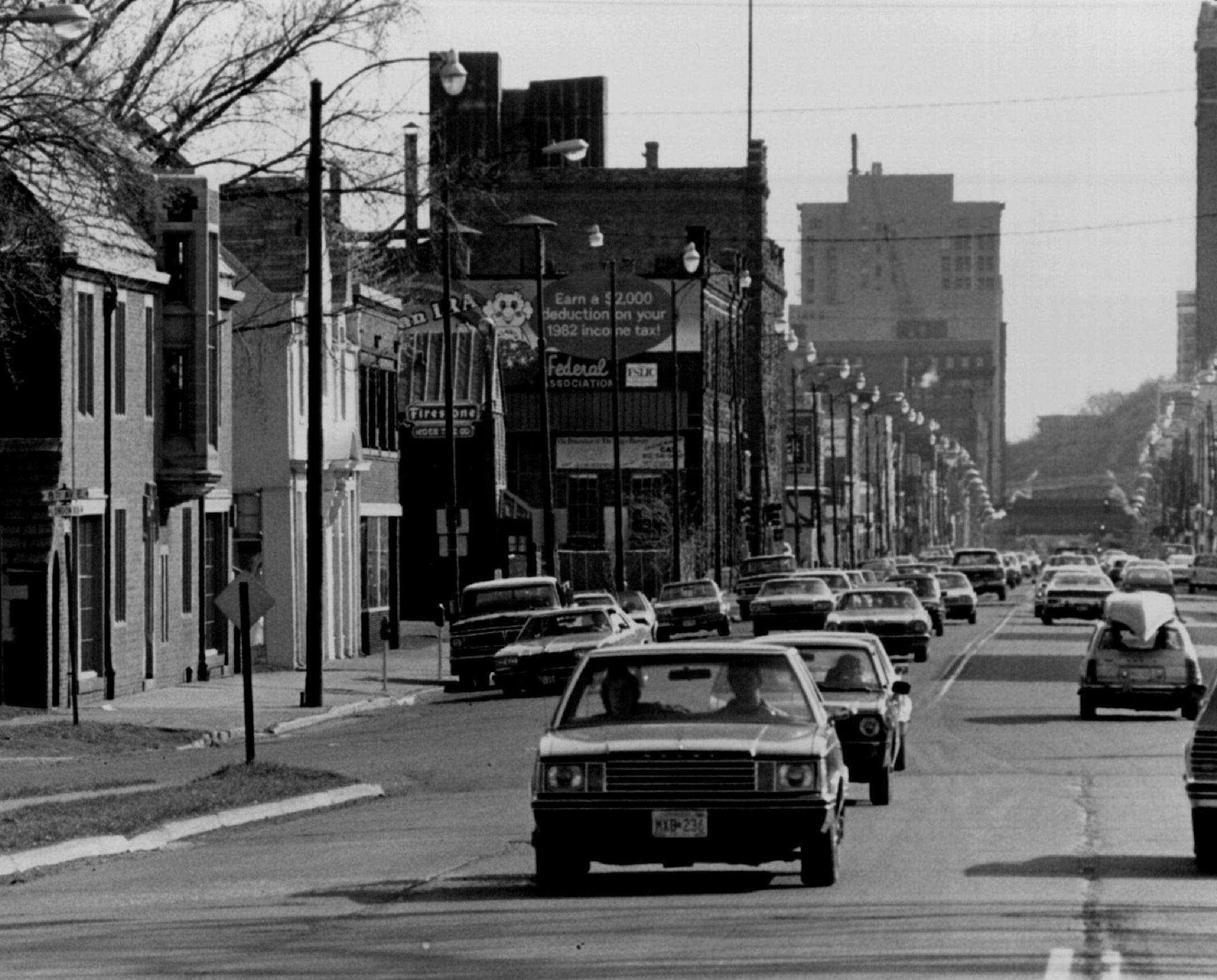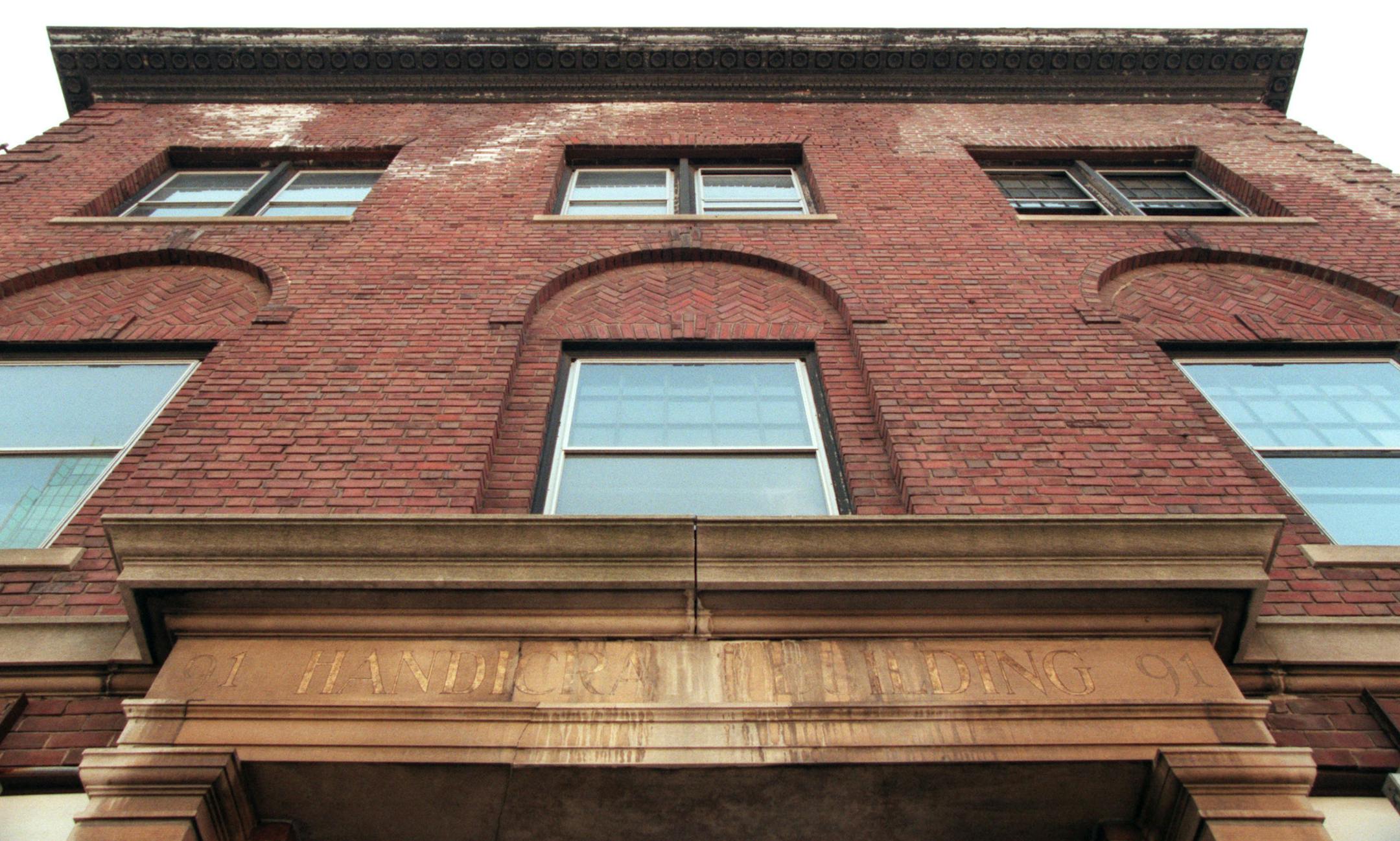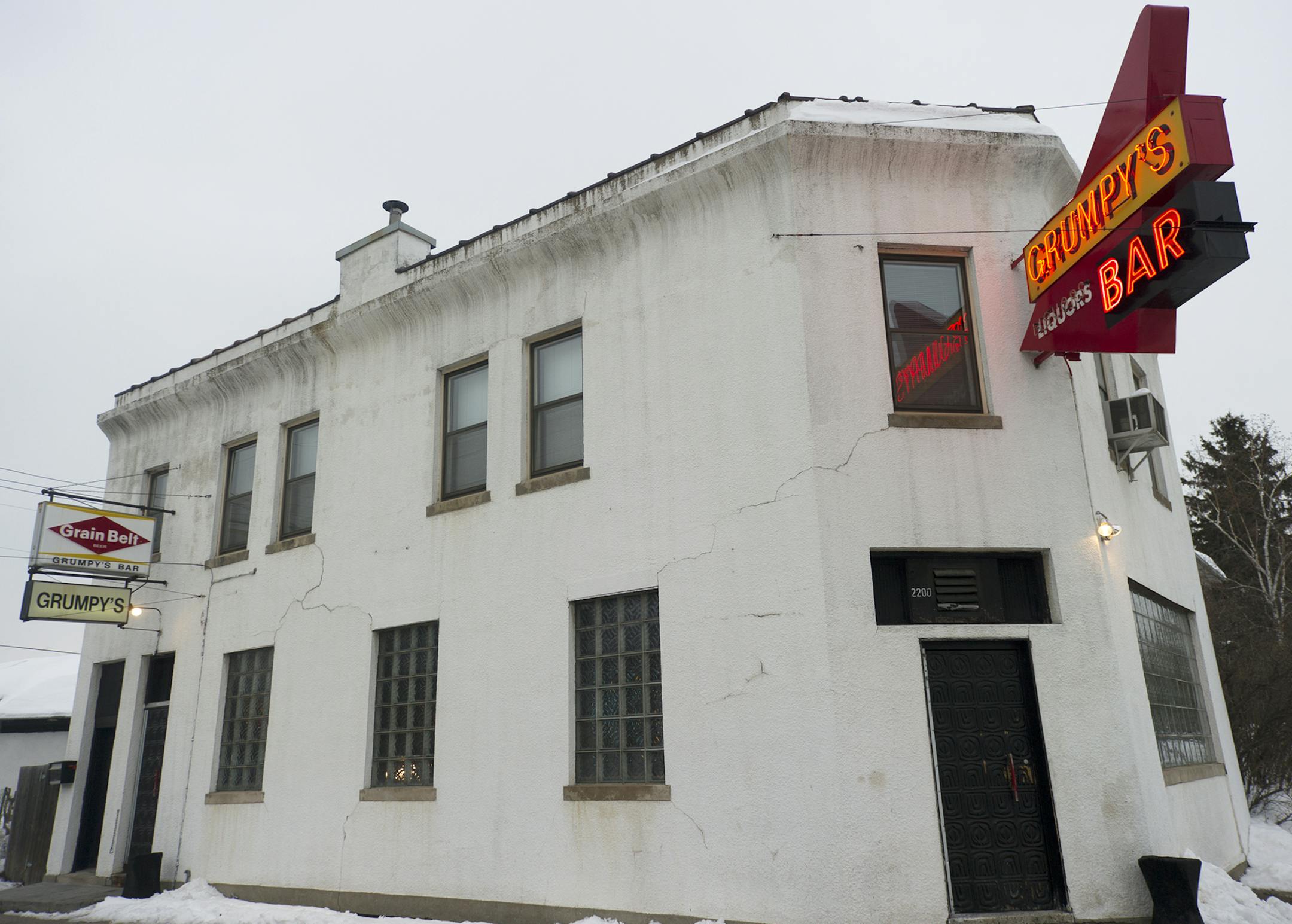
The character of a place comes from more than its architecture, more than a single building or work of public art, no matter how famous.
The evidence of time and change give many cities a patina, a texture and variety that you can almost touch. Yet often, the most important qualities of a place — like character — are the hardest to define. For some, character can mean topography, old stone walls or the sense of connection one feels with neighbors.
For me, character is found in cities and towns with old-fashioned supper clubs and locally owned coffee shops. Think of Jax Cafe in Northeast or Cuppa Java in Bryn Mawr. These places feel authentic and original — local, not themed.
It's not just how they look, but what you can do there that matters — meet old friends, write, be alone in public yet feel unobserved.
Great cities offer many forms of character through their mosaic of neighborhoods. In our case, think Loring, Camden, West St. Paul, Cedar-Riverside and Powderhorn. Like characters in a play, each is distinct — with its own traditions. We may not relate to all of these neighborhoods, but together they create the whole.
Last spring, a local magazine ran an article about the best neighborhoods in the Twin Cities. It celebrated hip places like the North Loop and Lowertown, which have transformed themselves by becoming modern and opening lots of restaurants. It declared Cathedral Hill in St. Paul, downtown Wayzata and Uptown "irresistible" destinations.
Irresistible for some, but not for all. In fact, many Twin Citians feel out of place in such trendy and relatively expensive locales. Too many of us assume that a neighborhood that's alluring to millennials, creatives and the monied is alluring to everyone.
Such hype is elitist and misleading. Character and sense of place are much deeper than boutique restaurants, cool architecture and new stores. Sometimes it's the lack of wealth that builds character. The downtowns of both Duluth and Milwaukee have lots of character, partly because they weren't growing quickly during the postwar era of frenetic "updating."