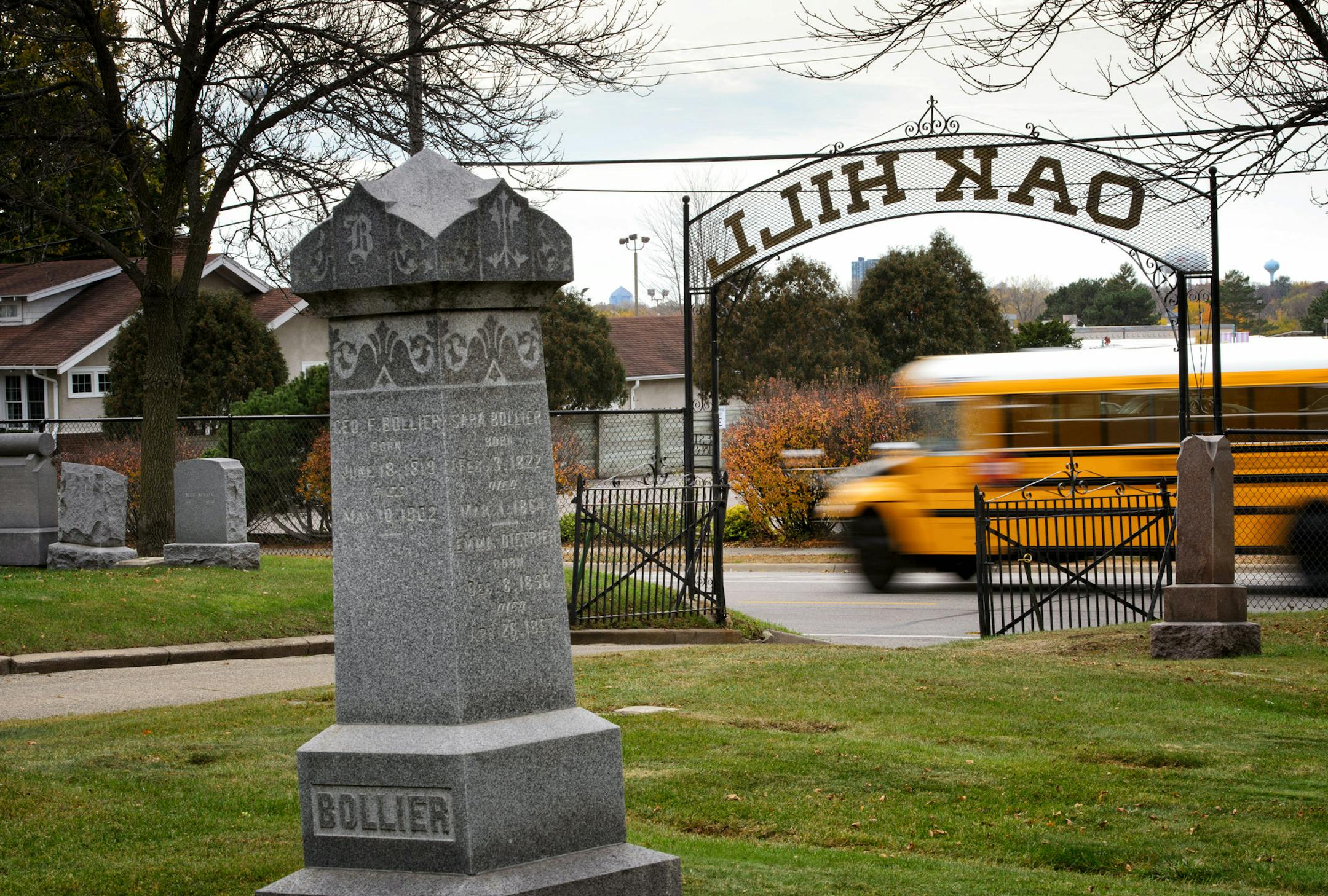
Graveyards pop up on residential lawns this time of the year, and the tombstones issue dire warnings or make jokey puns. They're part of the Halloween landscape, because graveyards are frightening, right? All those boxes below with restless wraiths ready to rise. The ancient stones jutting up like fingerbones. The wind rises; a cloud shrouds the moon; lightning cracks — it's a horror movie cliché.
But the real thing isn't scary at all.
Graveyards can be peaceful and full of muted beauty, silent fields with crops of stone. You might drive by them often, and you might avert your eyes or speed up a little. Someday, sure, but not today. Touring a graveyard when you've no reason to visit might seem a bit morbid, the sort of thing you imagine metalheads and goths doing for fun because it's dark, man. You do feel like an interloper, a tourist studying the faint remains of ancient strangers' grief.
You might also find yourself amazed at what you find — and smiling at the stories the names suggest. You also see how the city planned these places to stand at a distance from the communities they served, only to find the city rushing past it like pedestrians passing a sleeping man on the street.
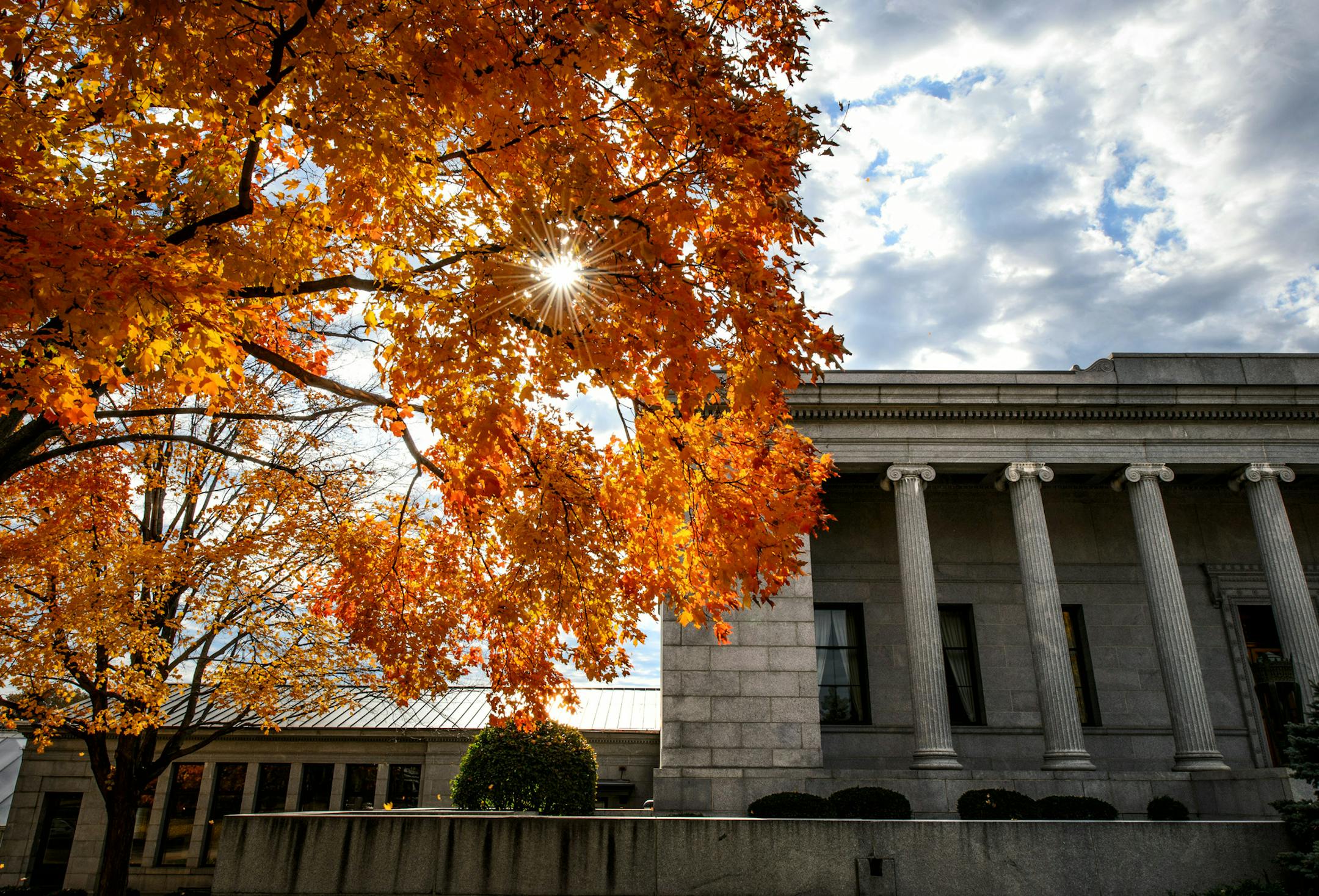
Lakewood Cemetery is surrounded by the city on three sides and Lake Calhoun on the fourth. When founded in 1871, Minneapolis petered out around Franklin; Lakewood would be accessible by horse. It was dedicated in 1872, designed in the natural, rambling style of American parks. Unlike formal gardens that imposed a rational grid on nature, the naturalistic approach preferred to let people wander through the bowers of an idealized landscape where the hand of Man was hidden.
The hands of fate and time, though, that's another matter. As you walk among the headstones you see the changing tastes, the shift in styles, the prosperity of the town reflected in monoliths that outdo each other in a bleak parody of New York's skyscraper contests of the 1920s.
Exquisite sculpture: a solemn woman in a temple contemplates the life and works of Mr. Fridley; another in classical drapery looks into the distance with a book in her hand, her finger resting between the pages to save her place, as if she's contemplating the unexpected death of a character in the story. Over there, a soldier stares to the south, where the battles of the Grand Army of the Republic were fought; down the path, a monument to men who died in the Great Mill Explosion of 1878. A place for the people who did large deeds, built great things, lived broad lives. Perpich. Carlson. Donaldson. Humphrey.
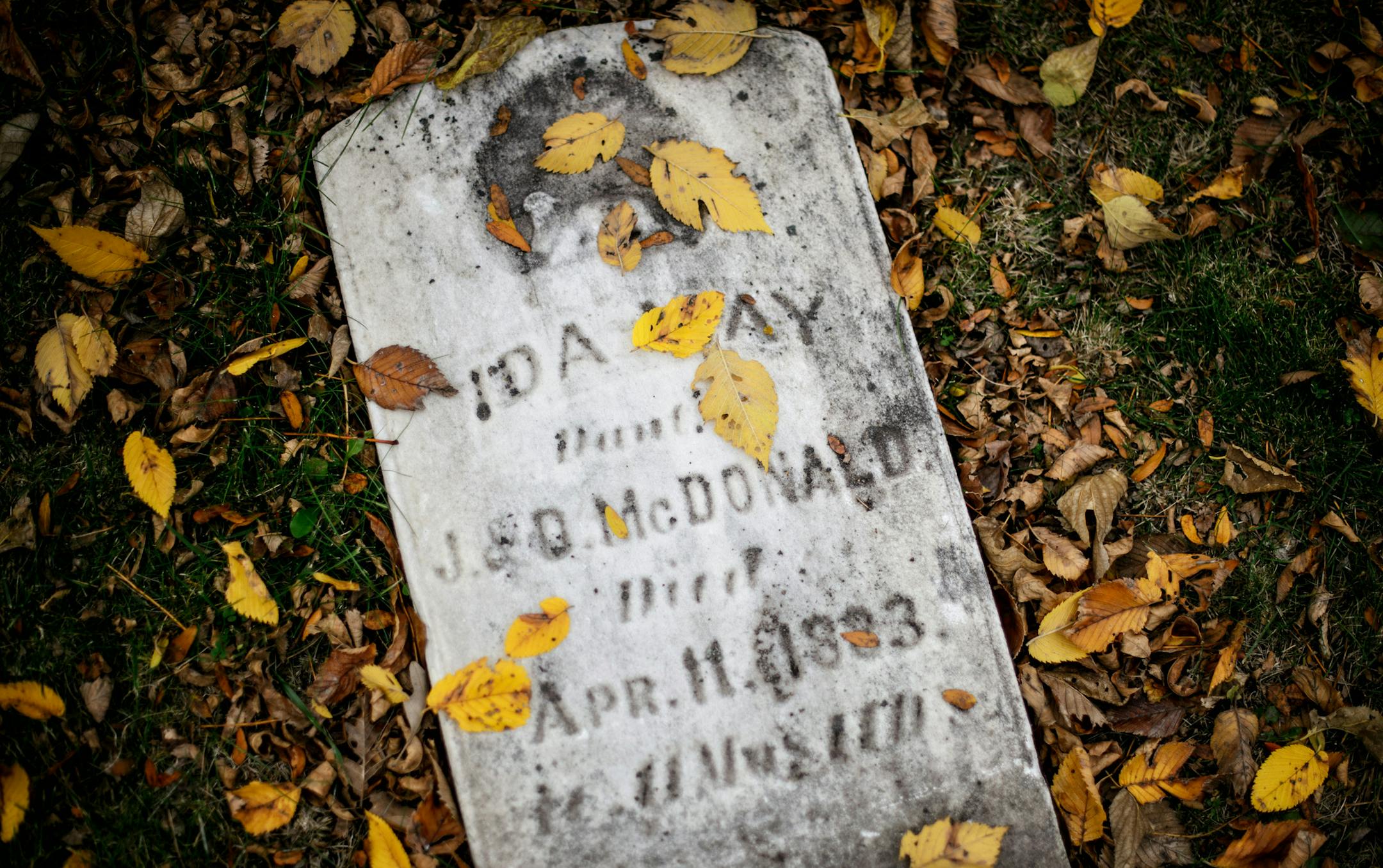
And Uncle Joe. The small print on his monument says "Joseph Nelson 1793-1886," but big black letters shout UNCLE JOE, because that's how they knew him. (You wonder if he ever met the fellow whose stone says UNCLE BOSTON.) In the shadow of the great monuments are small stones set in the earth with names worn by wind, and even though the grounds are exquisitely maintained, it only takes a few leaves to fill the small space where the stone can speak the identity of the occupant below. You brush away the dead leaves to read the name; you see the dates, wonder if anyone's been by since the end of World War II. You wish you had something to leave. But there are so many small stones. There aren't enough flowers at the market for them all.