In the late 1950s, modernism was all the rage, and Victorian-era design sat in the basement of progressive taste. With the urging of downtown boosters and architect Robert Cerny, Minneapolis created one of the largest urban renewal districts in the country. Known as Gateway Center, the project clear-cut 22 of the oldest commercial blocks downtown.
The Gateway project has come to be regarded as the biggest planning mistake in Twin Cities history. Lost to the call of modernism were the Metropolitan building and the Pence Opera House — two buildings that today would be considered as important to the city's character as the Foshay Tower.
But the irony is that the modern dream of the Gateway is now historic itself — a catalyst for the modern movement in Minneapolis that foreshadowed such nationally recognized projects as Lawrence Halprin's Nicollet Mall, the IDS Center and the Walker Art Center by Edward Larrabee Barnes.
At the heart of Gateway Center and at the base of today's Nicollet Mall, Minoru Yamasaki's Northwestern Life Building, along with the neighboring Towers apartments, opened in 1965. Both buildings represent the height of midcentury modern design, and Northwestern Life, with its imposing arched white colonnade and reflecting pools, is now regarded as one of Yamasaki's finest works.
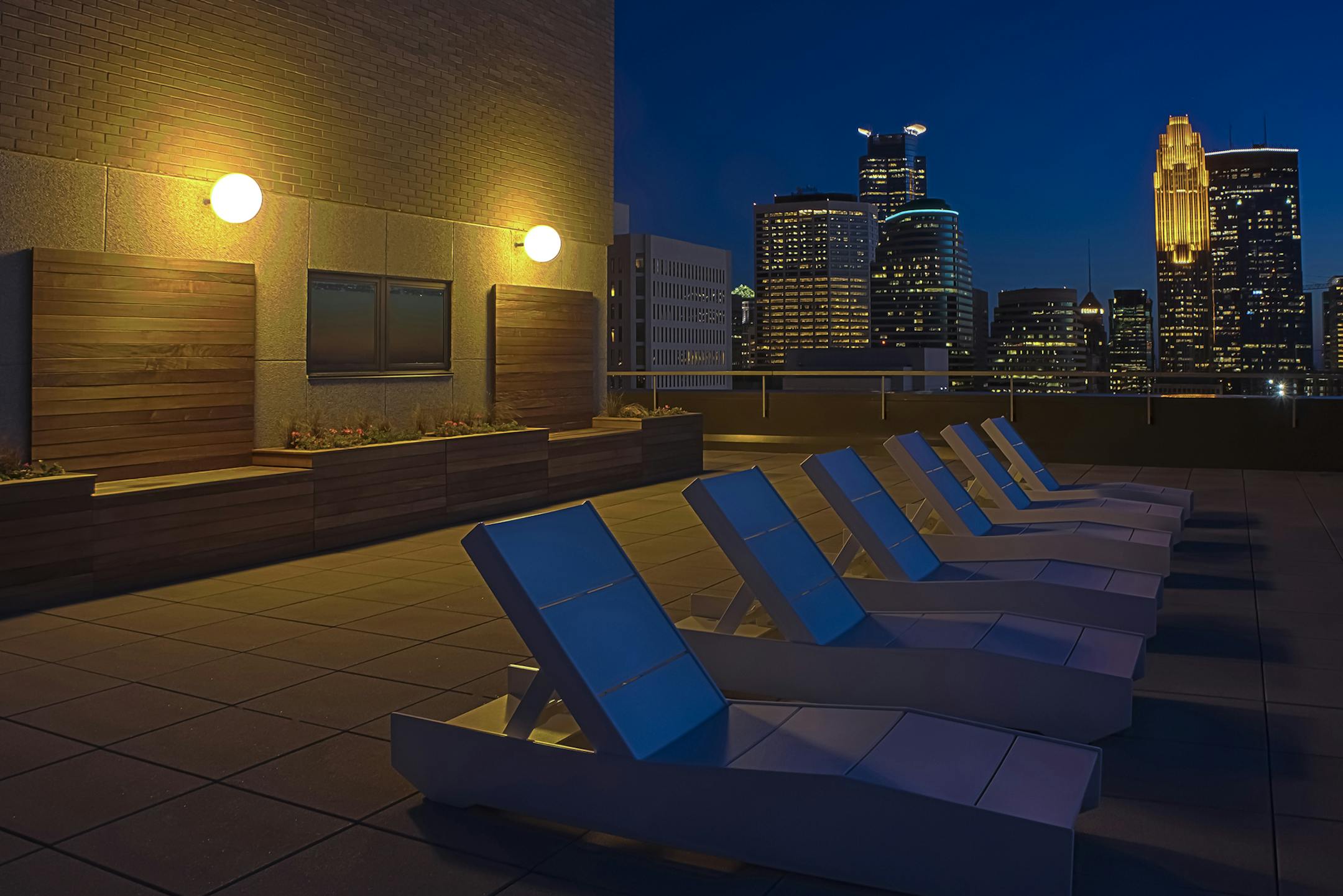
The slender tan-brick Towers consists of the taller, 27-story Tower B in striking rectangular counterpoint to the lower Tower A along Hennepin Avenue. This year marks their 50th birthdays. Both the Towers and Northwestern Life are now officially "historic" and clearly eligible for inclusion in the National Register of Historic Places. But their significance involves more than architecture.
Long-term residents of the Towers have a social history to tell. Since the late 1960s and early '70s, they have witnessed the transformation of downtown into a towering corporate hub, the decline of retail, the redevelopment of the nearby riverfront and the massive growth of new downtown housing — for which they were the pioneers.
A new neighborhood
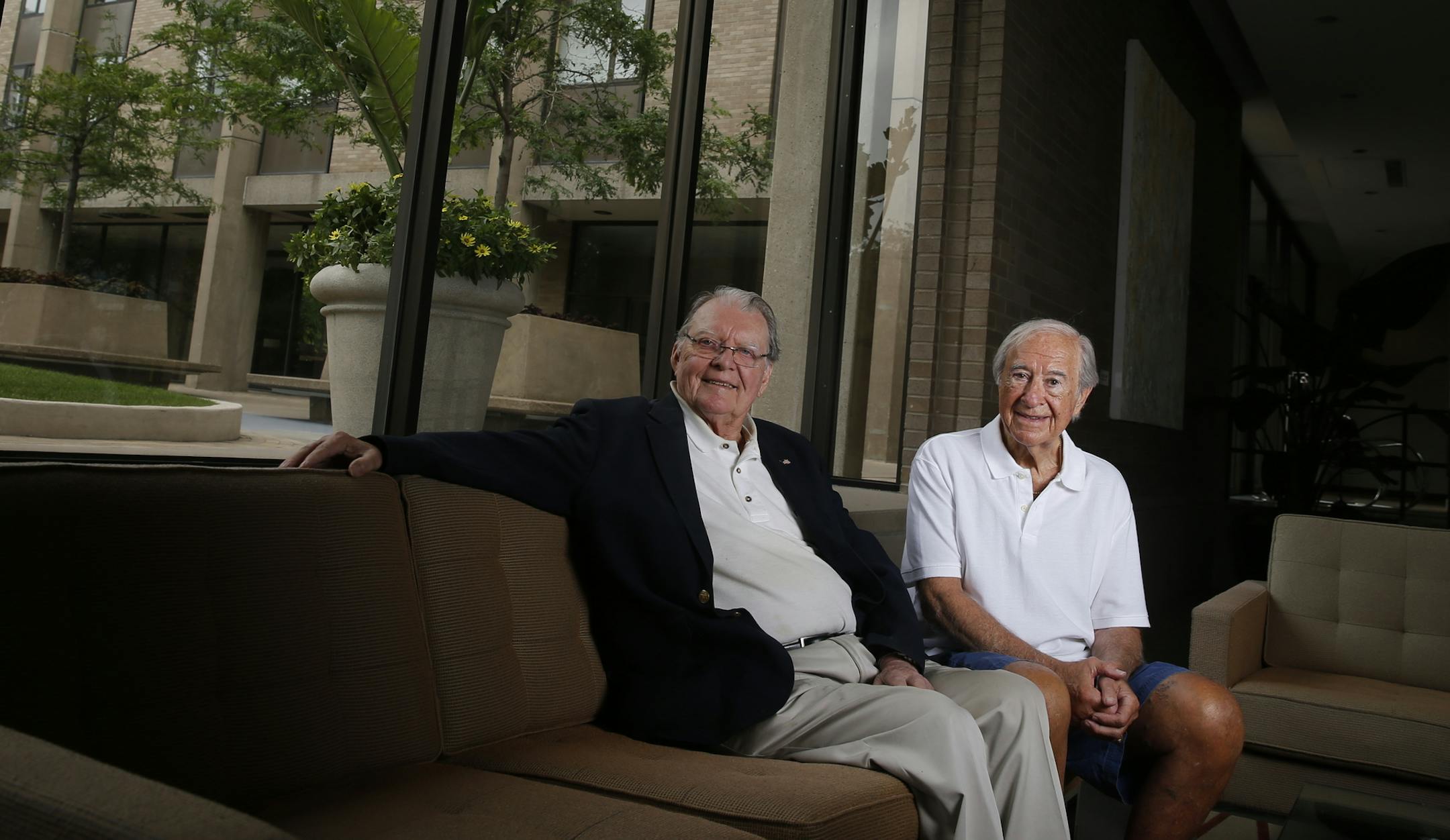
Designed by New York architect John Pruyn, the Towers was downtown's first large modern-era residential project. At 500 units, it remains one of the largest homeowners associations in Minnesota. Dick Wistli, who came as a renter in 1966, recalls the early years when the Towers was home to young professionals, many of whom were recently divorced. In the early years, surrounded by parking lots waiting for Gateway redevelopment, the Towers was a self-contained community offering a small grocery store, hairstylist, newsstand, dry cleaner and even a secretary to assist residents with their work.
Framing a verdant plaza designed by celebrated landscape architects Sasaki, Walker and Associates, the Towers had a lively social scene, with community continental breakfasts every Sunday, poolside barbecues and frequent cocktail parties on all floors.