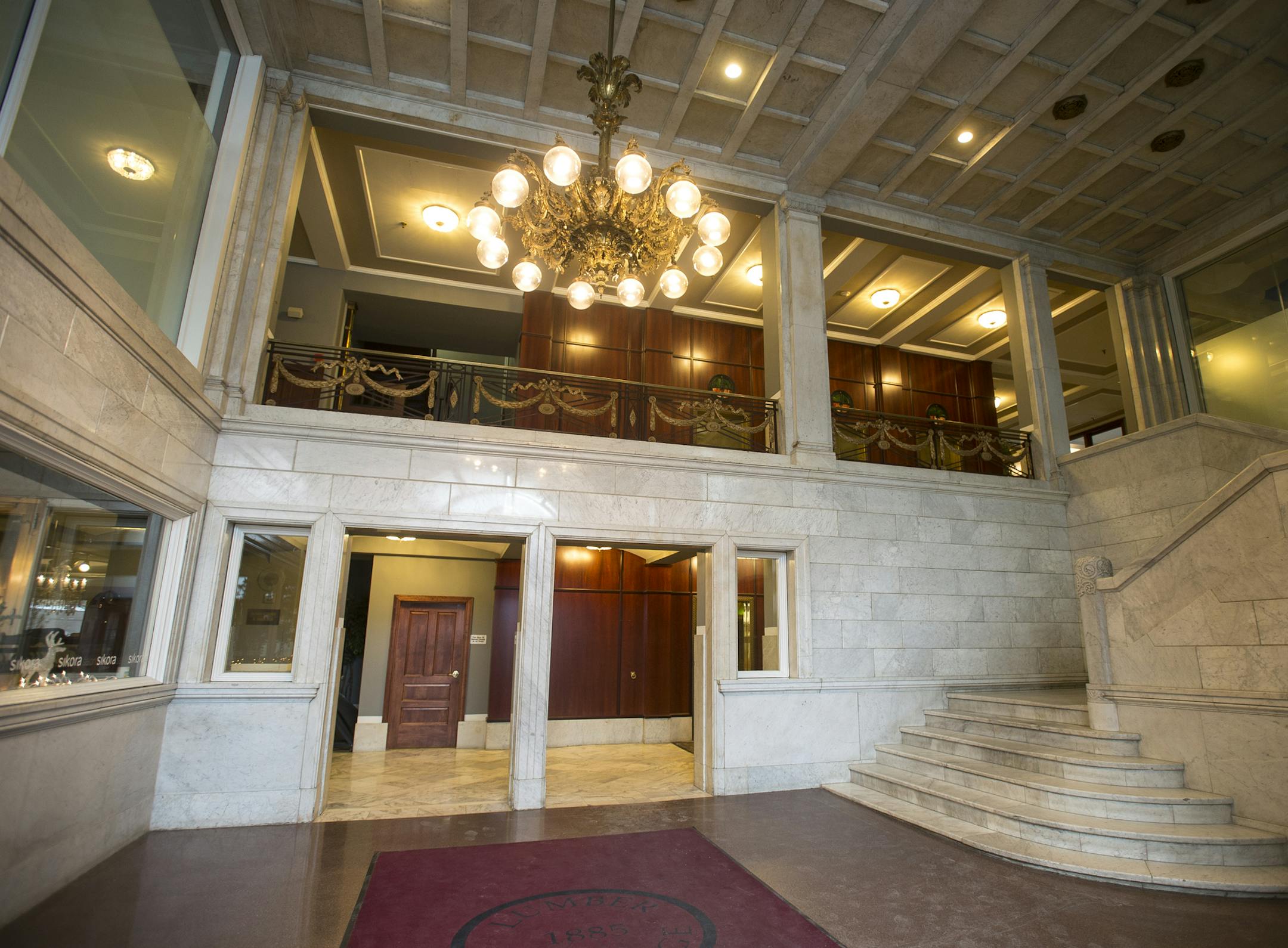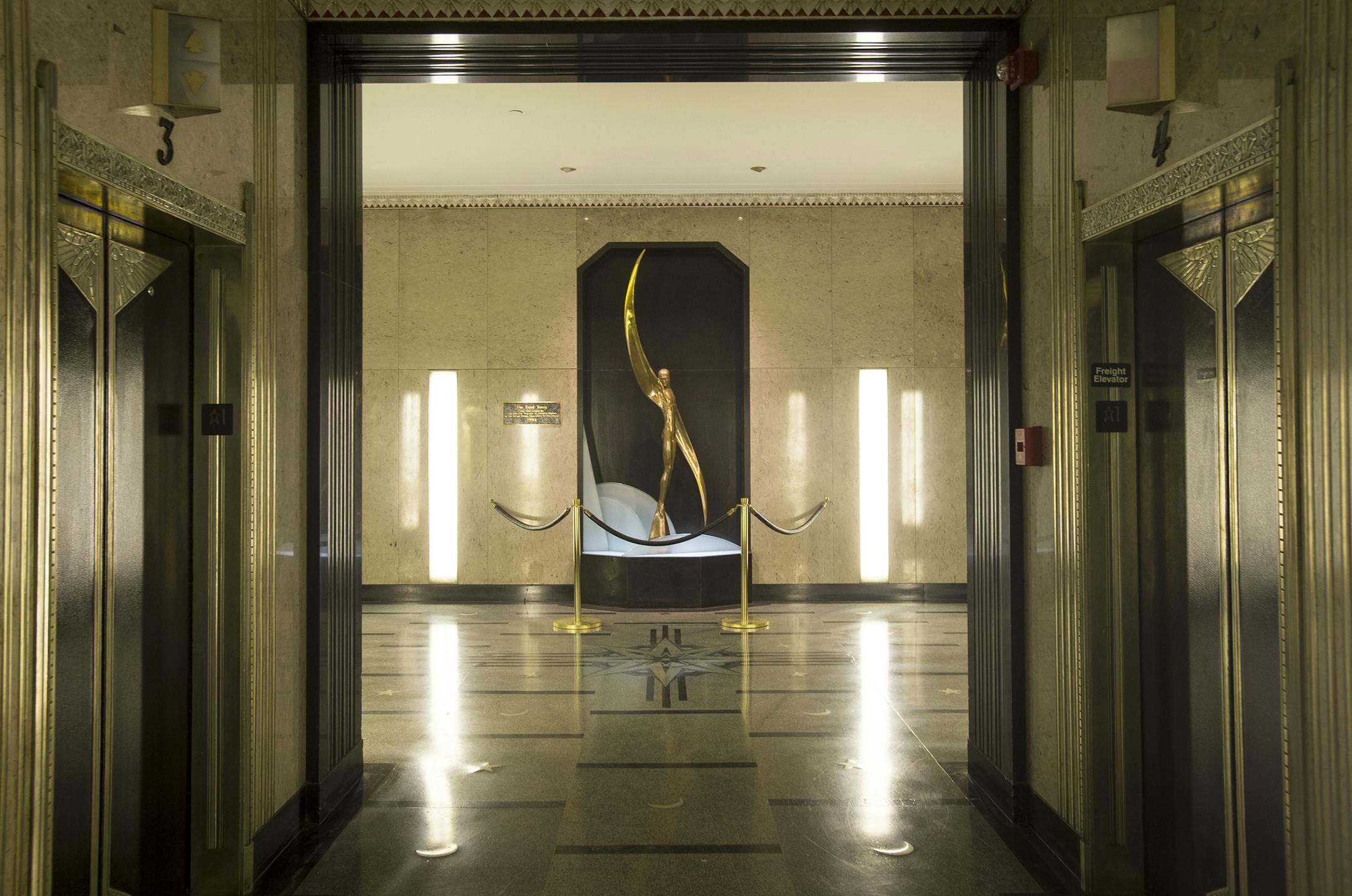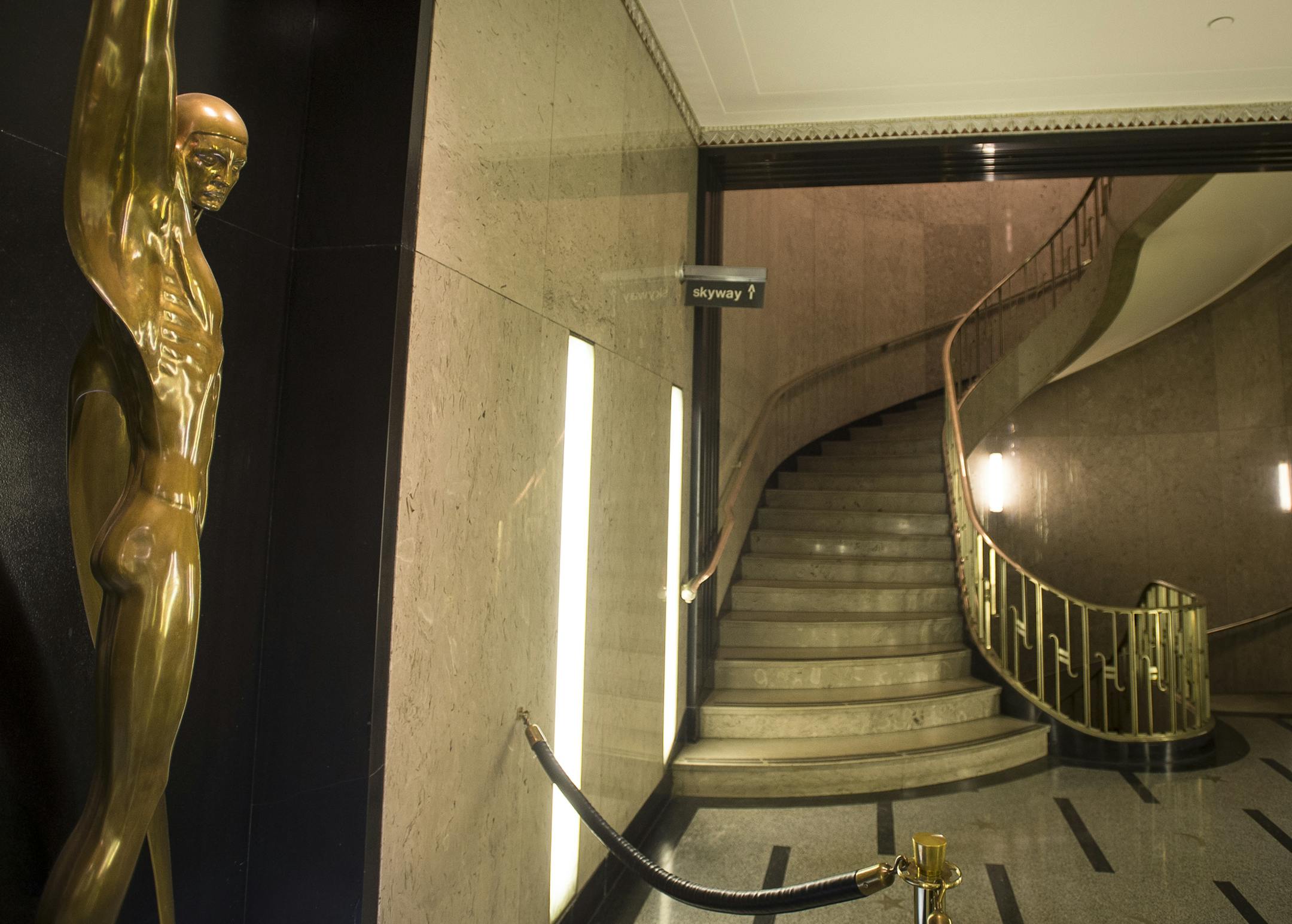
A lobby is where a building makes its introduction. If it has nothing to offer but stone and elevators, it's a cold, clammy handshake. One exhausted plant in a chipped plastic pot, a buzzing fluorescent light overhead, tired carpet — it's depressing. If it's an ornate and luxurious lobby, it makes your presence seem like a walk-on role in the improvisational theater of urban life.
You don't expect them to be spectacular, but you're always a bit disappointed when they're dull. Then you forget about them: Lobbies are meant to be traveled through, not inhabited.
Minneapolis has many fine lobbies. It probably doesn't need most of them. We enter buildings on the second floor, and have for decades; lobby entrances on the street are for newcomers who don't know the mysterious warren of the skyway system. Downtown is caught between two models — the old ceremonial room on the ground floor, often inherited from the pre-skyway era, and the skyway entrance, which may or may not have anything that says "Welcome."
It would make sense to put the security guard and the information desk on the second floor and ignore the ground floor entirely, but we can't quite admit that's what we've come to. Architects still pretend the lobby is the focal point of the visitor's experience, and to be honest you'd hate to see the day when they don't.
Consider 33 South Sixth, aka the Multifoods Tower, aka that ugly square log rising above City Center. Its lobby has two faces. One side faces the interior of City Center, and while it's not the loveliest view, there's a sofa where you can sit and watch the world pass by. The other side faces the street, and it's intended to impress. Huge. Devoid of detail. Enormous ART because there must be ART. Perfect for a dystopian sci-fi movie where hundreds of identically dressed people are heading for the elevators. Pass through, quickly.
At the U.S. Bancorp building on Nicollet Mall, across from Mary Richards' WJM building, a broad window makes the mall seem like a passing parade; the escalators tie the skyway level to the lobby area. Simple, clean and effortlessly urban.
One lobby is meant to impress, enclose and process; the other encourages a lingering look.
Postwar modernist buildings loved the spare, technocratic power expressed by the Multifoods lobby, but not everyone played that game. The aforementioned RSM Plaza — the Midwest Federal building where Mary Richards worked — had no grand spaces. The pre-skyway era could give us sumptuous spaces like the elevator banks of the Medical Arts building; it could also produce the Baker Building: beloved for its repeating motifs of a woman's face on the outside, but strictly business inside, with a utilitarian elevator hall.