Once upon a time, Dinkytown was something. Dinkytown was special. It had little nooks where you could hole up and nurse a coffee for a whole night without the help giving you a barbed look. It had entertainment — real music, not something coming out of a machine — and stores where the merchants sold stuff you couldn't find anywhere else. It was a different place. It had a ragged, happy character. It was a community. Today? Seems like we've lost some of that. Maybe too much.
This is what I was told when I moved to Dinkytown. In 1978. That's the year the Dinkytown Business Association invested in civic improvements like faux pavements and brand-new trash cans. They had a slogan: DINKYTOWN USA: WHERE IT'S AT! What IT was they didn't specify, and where IT was AT exactly you had to guess, but if you lived there, you agreed.
Dinkytown was a small town transplanted into a big city. A company town for the U.
The Perfect Dinkytown always existed in some wondrous past where you happened to be about 22 and unencumbered by responsibilities. Is it different now? Yes. Worse? Hardly. But the pace of change will slow, because the City Council last month voted unanimously to make it a Historic District — a peculiar designation for a place almost devoid of historic architecture.
It's a basic example of a dense, early 20th-century commercial district, but is that enough? Perhaps it's a way of turning nostalgia into law: For visiting U of M alum, Dinkytown still looks like it did when you were young. Residents are sentimental, too, of course, but they also feared that the pace of change would swamp Dinkytown's scale and charm. A six-story hotel/residential project foundered last year after neighborhood complaints, but neighborhood ire didn't abate. Keep Dinkytown somewhat dinky! they said, and the City Council — bending to the will of people who actually live there — bestowed its historic status.
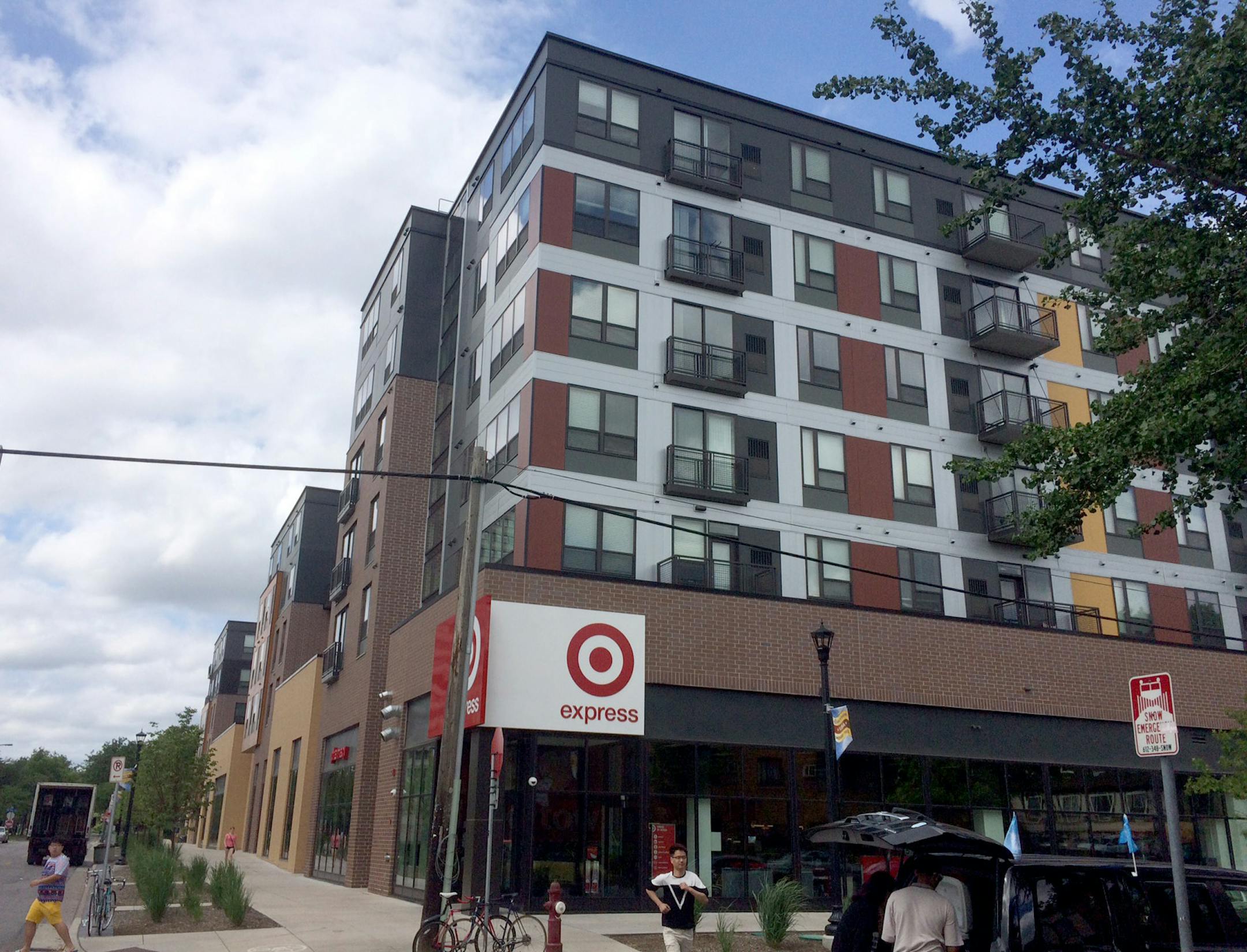
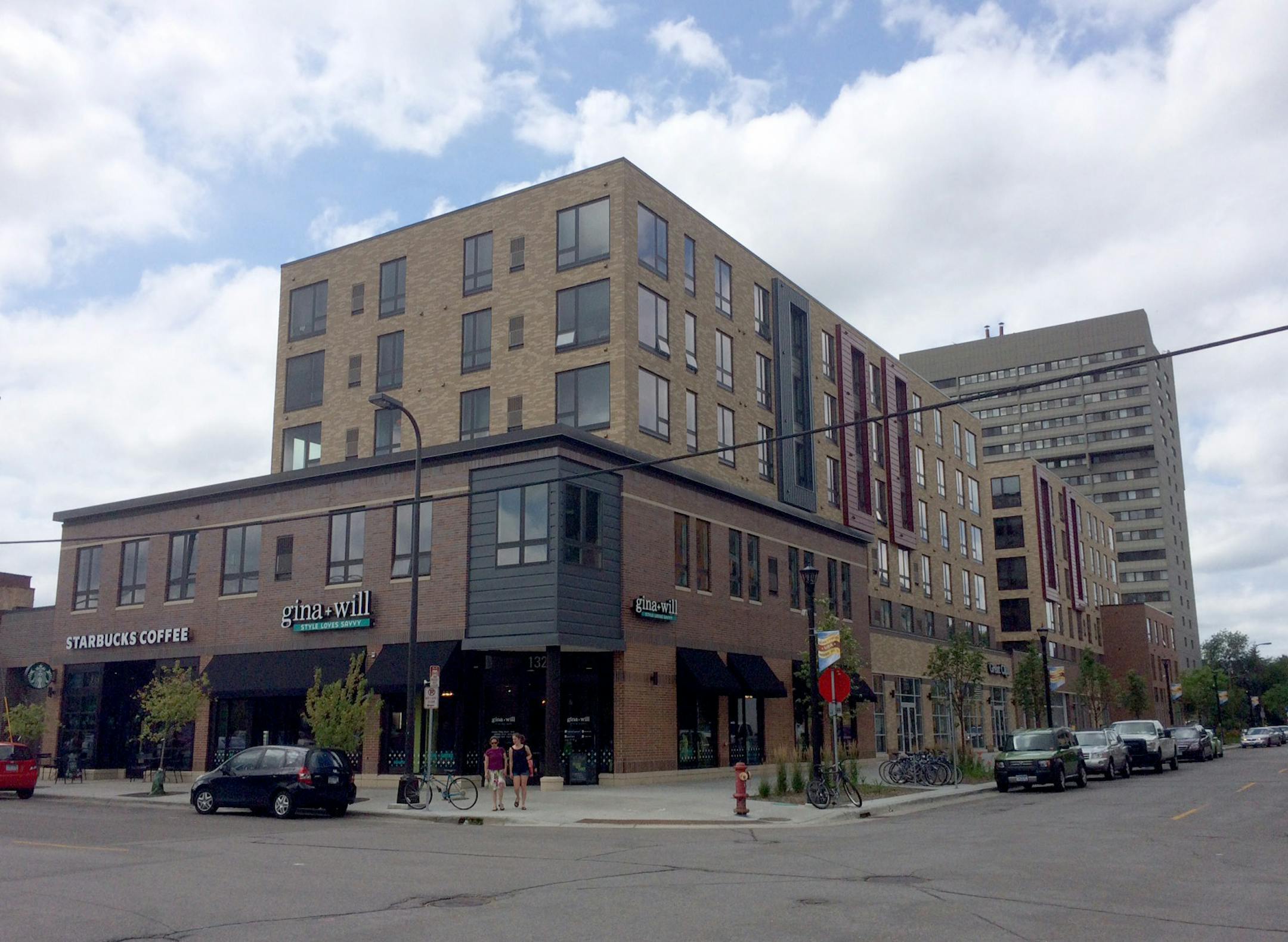
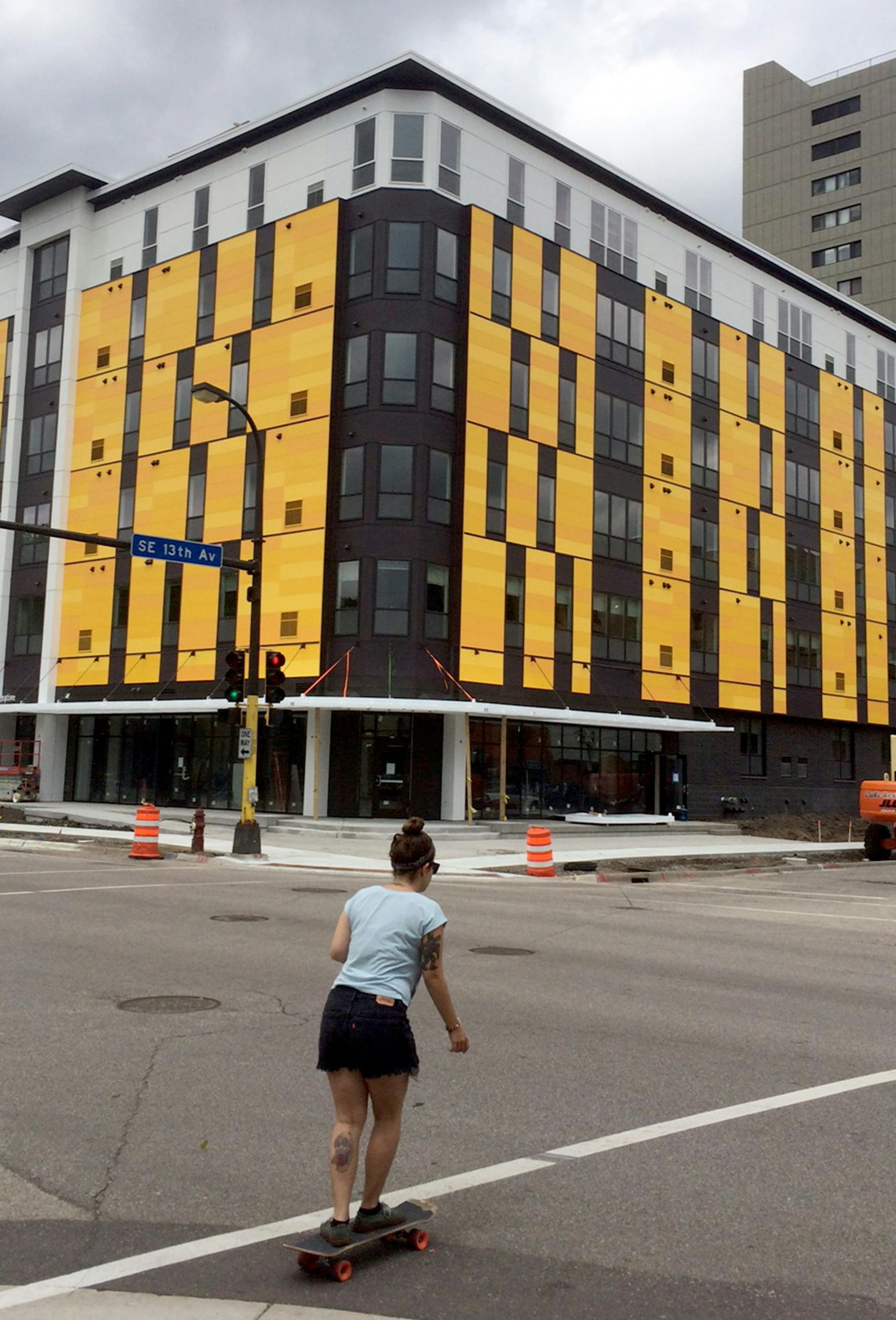
The new projects were big and dense — what we're supposed to want in cities these days. New residents mean more vitality, more stores. You can imagine a developer yanking out his hair and pointing to ramshackle old structures and saying really, this? This is what you want to preserve? What can possibly be so special about this?"
It's not that it's special. It's just that it's Dinkytown. It's not supposed to be Uptown; it's not supposed to be all new, up-to-the-minute. Much of the neighborhood has ramshackle housing stock that looks one poorly attended candle away from a four-alarm fire. I lived in a house that once belonged to the university president, decades ago; it had been carved up into Sheetrock cells. The house next door, known as the Cathouse, housed another dozen people — students, dishwashers, people who drifted in and out of the U. Both houses were razed for an enormous block of apartments, the sort of dense urban beehives we're supposed to celebrate.
And I suppose we should: It bumped up the population of Dinkytown tenfold. We lost nothing but a beer-soaked wreck that was begging to be relieved of the long burdens of gravity. There are still lots of houses like that in the area, but you know how that goes: People move in for the quaint funky places, someone builds housing to accommodate the newcomers, and eventually all the funky quaintness is lost to new buildings.