

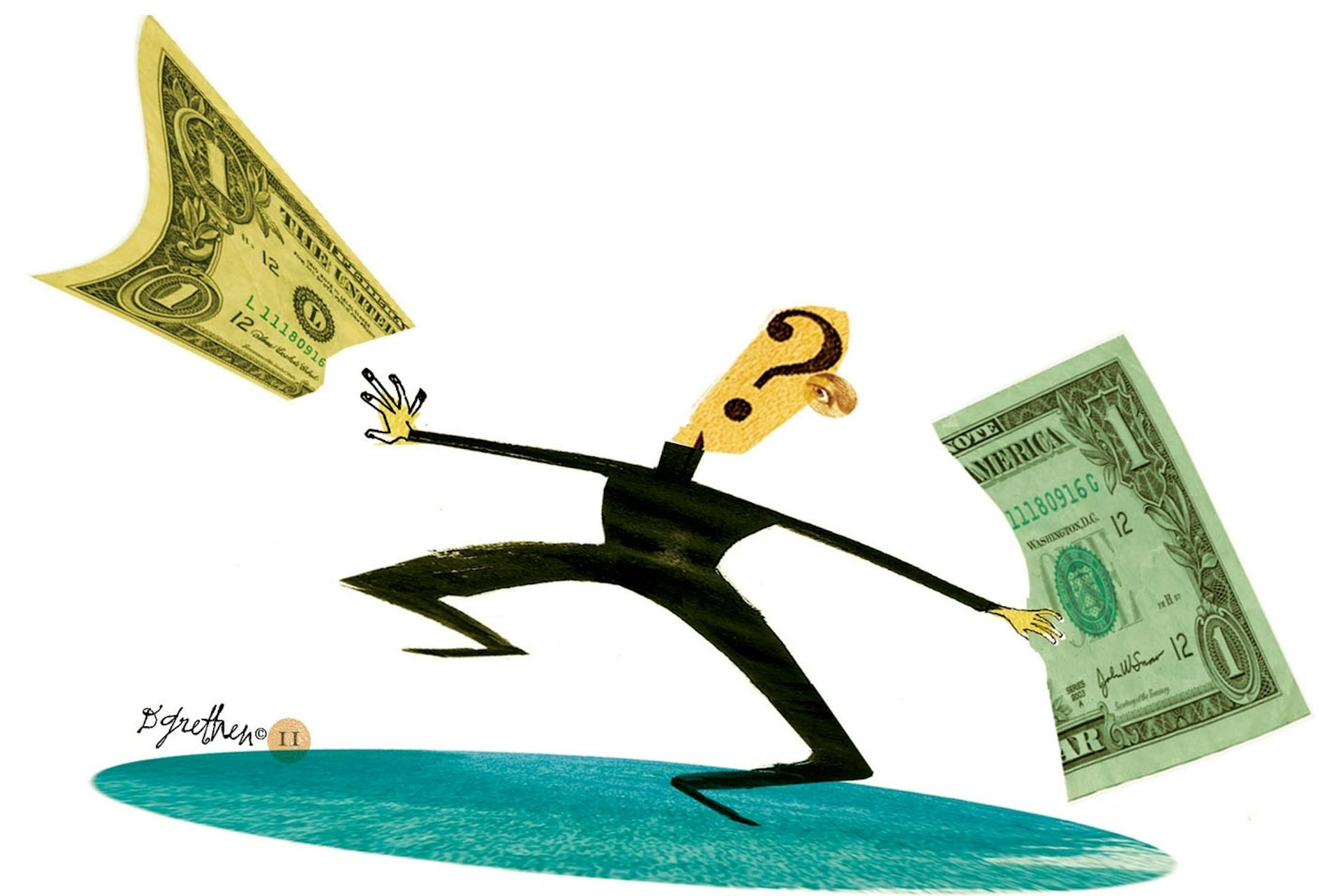
For the foreseeable future, the key to successful state political leadership lies in knowing how to "disappoint people at a rate they can stand."
That's what Ronald Heifetz, founder of Harvard's esteemed Center for Public Leadership, told Minnesota legislators at their biennial orientation retreat last Wednesday at the Humphrey School of Public Affairs.
Dispensing disappointment likely isn't what newly minted legislators thought they'd just won an election to do.
But it's a pretty cogent summary of the short- and mid-term reality for governments in these 50 states -- with the possible exception of oil-rich, population-sparse North Dakota, but certainly including its neighbor to the east.
Scott Pattison, executive director of the National Association of State Budget Officers, elucidated: States can expect scarce resources "for at least the next several years" due to the dual hex of a slow-growing economy and reduced federal aid to the states.
The Great Recession officially ended four years ago. But like most states, Minnesota is still "recovering," he said. It hasn't "recovered." Adjust for inflation, and state tax collections still lag 7 percent below their fiscal 2008 level.
Minnesota isn't as dependent on federal outlays as most other states, Pattison said. Nevertheless, a scary 27.6 percent of state spending comes from Washington.
"I recommend that you pay attention to the feds," Pattison deadpanned.


