

Homeowners insurance premiums are soaring in Minnesota, and consumers can expect more rate shocks ahead as insurance companies wager that a run of worse-than-usual weather will continue.
Increases that average 10 to 12 percent this year come on the heels of rate hikes averaging 7 percent last year and 8 percent in 2010, according to a Star Tribune analysis of company filings. That has added $200 to $300 a year to the average policy.
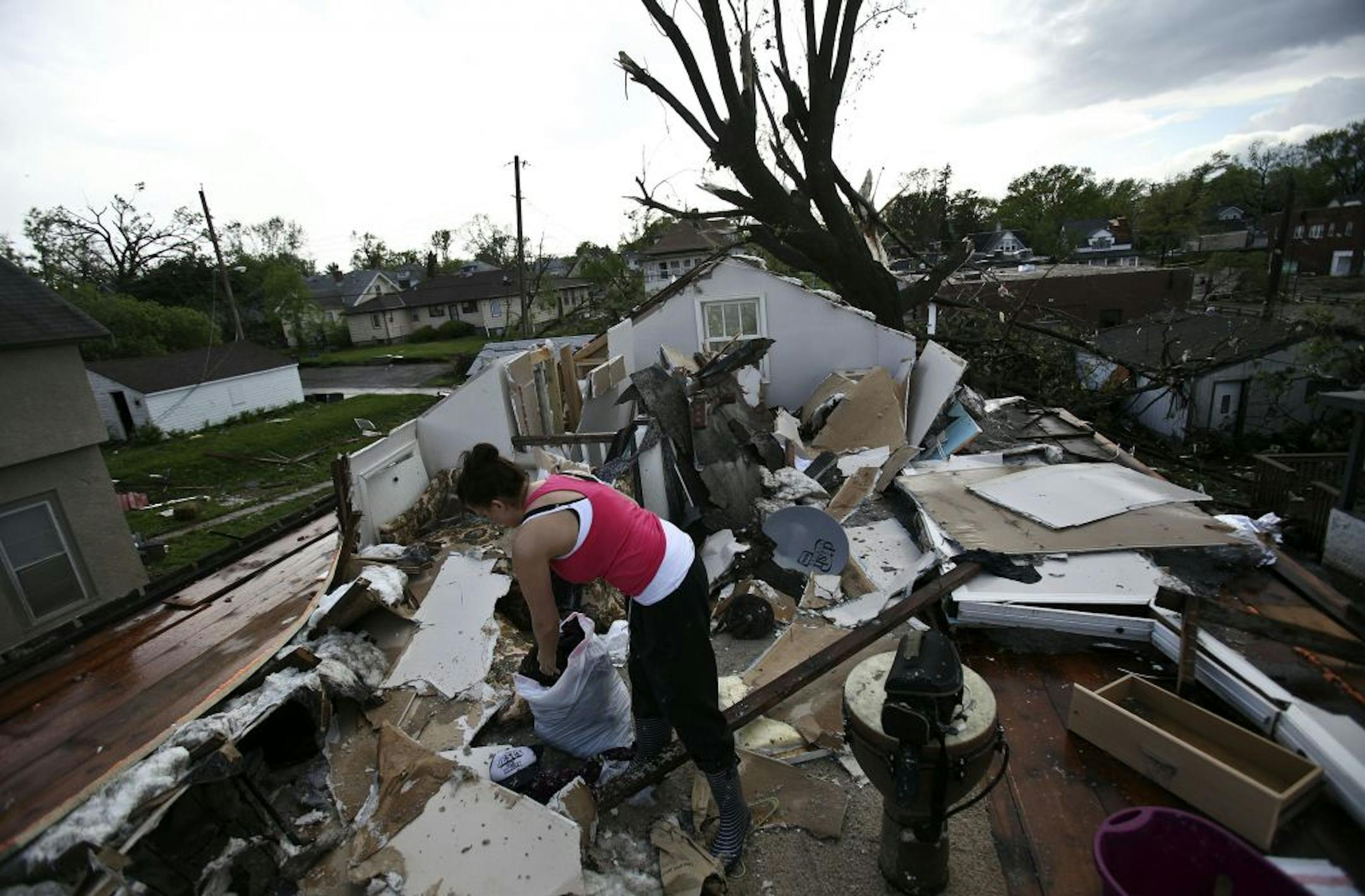
Insurers say they're grappling with a shift in the state's weather patterns, an eruption of tornadoes, straight-line winds and hailstorms that have lashed Minnesota since 1998. Minnesota ranked in the top three states for insured catastrophe losses in 2007 and 2008 alongside disaster magnets such as Texas, Louisiana and California.
"In all of my years in the business I have never seen increases like this," said Roberta Gibbons, an independent agent at St. Louis Park-based Dyste Williams. "But then again, I've never seen storm claims like we've had in Minnesota."
Skeptics aren't convinced that weather trends justify the size of the increases, particularly since many companies are also whittling away at how much they'll cover. It's debatable whether Minnesota's storm pattern has permanently shifted, the skeptics point out. And after all, insurance is about taking risks and bad years are part of the equation.
There is also less public scrutiny of the rates in Minnesota than in some other states. Unlike Texas and California, where homeowners insurance rate-making is nearly a contact sport, there are no consumer groups in Minnesota focused on it. The state Commerce Department has the power to call public hearings on large proposed increases, but last did so in 2002. Of the 25 largest hikes companies put through since 2010, Commerce reduced only one.
Amy Bach, a lawyer heading United Policyholders, an insurance consumer advocacy group in San Francisco, said rate shock is such a political issue in the Gulf Coast states it has given rise to candidates running for office just on an insurance reform platform. "You guys are waking up," she said.
"I can assure you that the rate increases people are experiencing are way higher than they should be," Bach said. "There are not sufficient safeguards. They have a captive audience."


