

Patience can be a virtue, especially when it comes to wine. And no, I'm not talking about cellaring.
For years, many of us have been waiting for Chile to produce truly grand fermented grape juice, to become a source of more than "nice enough" reds and whites at value prices.
Well, the wait is over.
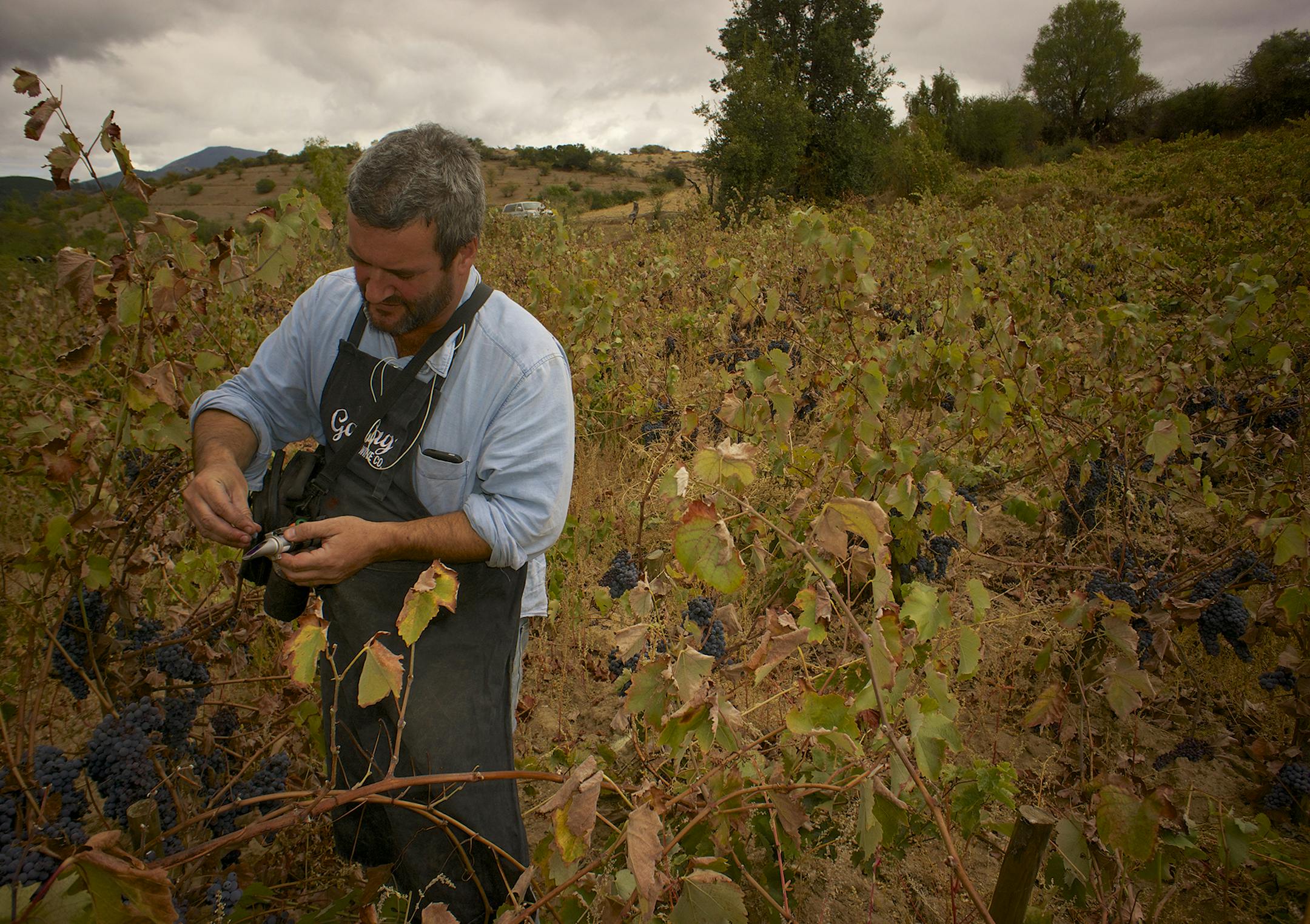
A new wave of Chilean wines is just starting to roll into local stores and restaurants, representing what importer Elizabeth Butler calls "an underrepresented part of Chile: smaller production, hands-on, with a deeper exploration of varietals and regions."
As I tasted delicious and distinctive sauvignon gris from Casa Silva and a Pedro Ximenez (most associated with Spain sherries) from Mayu and a stunning carmenère from Garcia + Schwaderer, I remembered what Butler, the "Chile ambassador" for Vine Connections, had said a few minutes earlier:
"When we pour these ones for people in the trade, experienced wine drinkers, the reaction we get most often is 'I had no idea.' "
That certainly was my take. I have sampled several other cool Chilean wines of late, including cabernet from Ventisquero and Aquitania, chardonnay from Minnesota-owned Famiglia Meschini and carmenère from Viña Marty.
Carmenère is, in fact, the signature red grape from the world's skinniest nation (3,998 miles of Pacific coastline — 39 degrees of latitude — and rarely more than 100 miles wide). Oddly, for a century or so, these wines were mislabeled: In 1994, scientists determined that most of what was being called merlot was, in fact, carmenère.


