3:35
3:35Even after two decades of living here, Patrick Bailey is surprised by the reaction he gets when he opens his mouth.
"I'll be paying at a gas station," he said, "and people will come up and say, 'I love your accent.' "
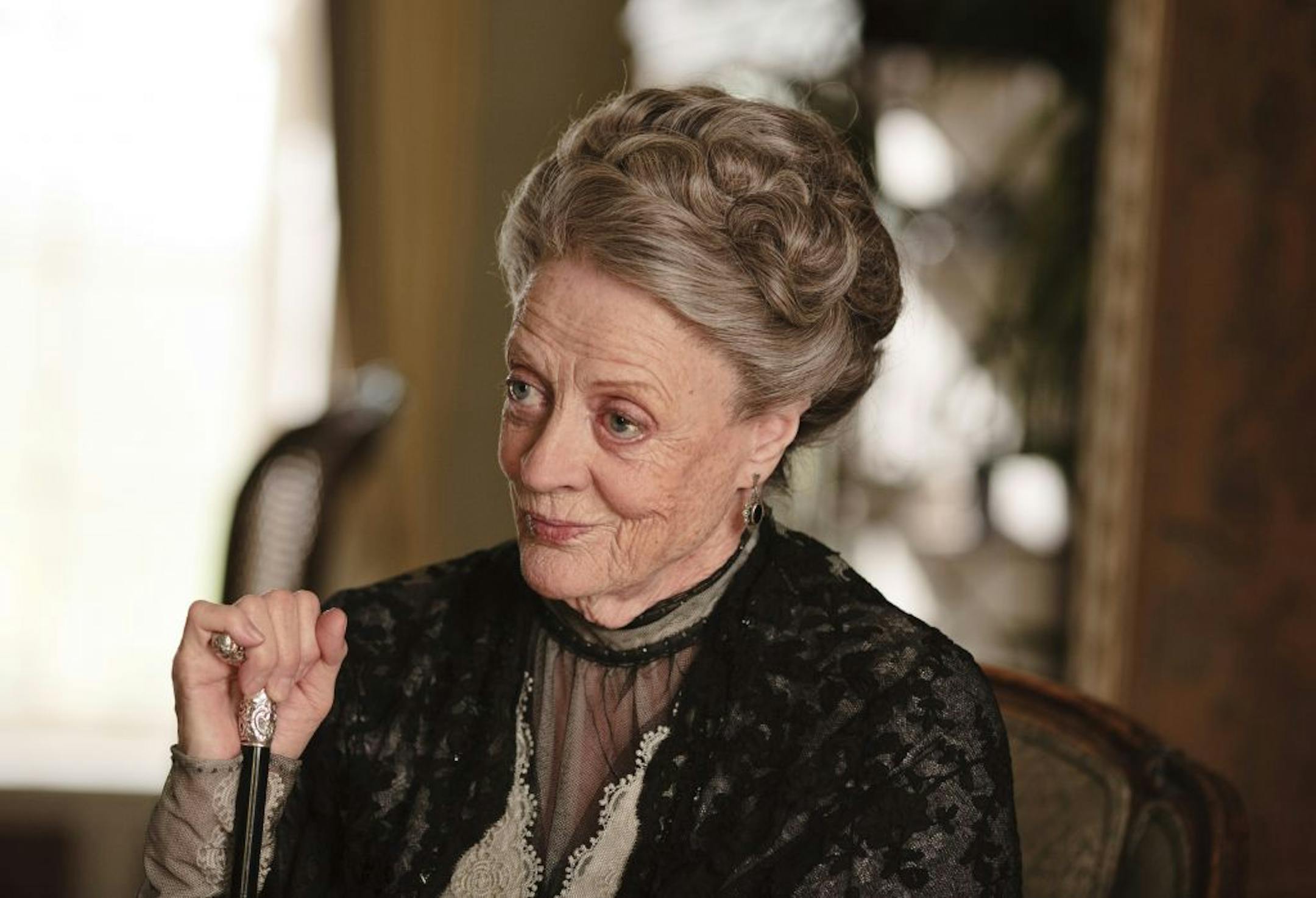
That would be a British accent, the often-haughty kind heard in "Downton Abbey," Oscar-bait films and countless local stage productions. The kind that makes Colin Firth seem sexier than Jon Hamm and BBC newscasts sound classier than CNN's. The kind that prompts many Americans — hello, Gwyneth Paltrow, Madonna and Amy Adams' character in "American Hustle" — to take a stab at adopting the dialect.
But this one-sided love affair has deep, semidark roots: It's part of a long-standing inferiority complex.
"The association we have with that [dialect] is high status," said Amy Sheldon, a University of Minnesota linguist and professor in the Department of Communications Studies. "We have looked to Britain to consume what we perceive to be high class. The style of talking is kind of like a magnet that pulls to it the available prejudices and symbolism."
What's more, our near-fawning esteem for this refined way of speaking has been wired into our psyches since colonial days.
"It's sometimes hard to remember that for the bulk of our history we were considered a cultural backwater," said James Dawes, an English professor at Macalester College in St. Paul. "It was only after World War II, when we emerged as a superpower, that we ended centuries of considering ourselves hinterland country bumpkins compared with the metropoles of London.
"There's a long cultural history of it, the struggles in American culture of trying to distinguish itself from perceived superiors. I'm not sure we've shaken it off, really."