

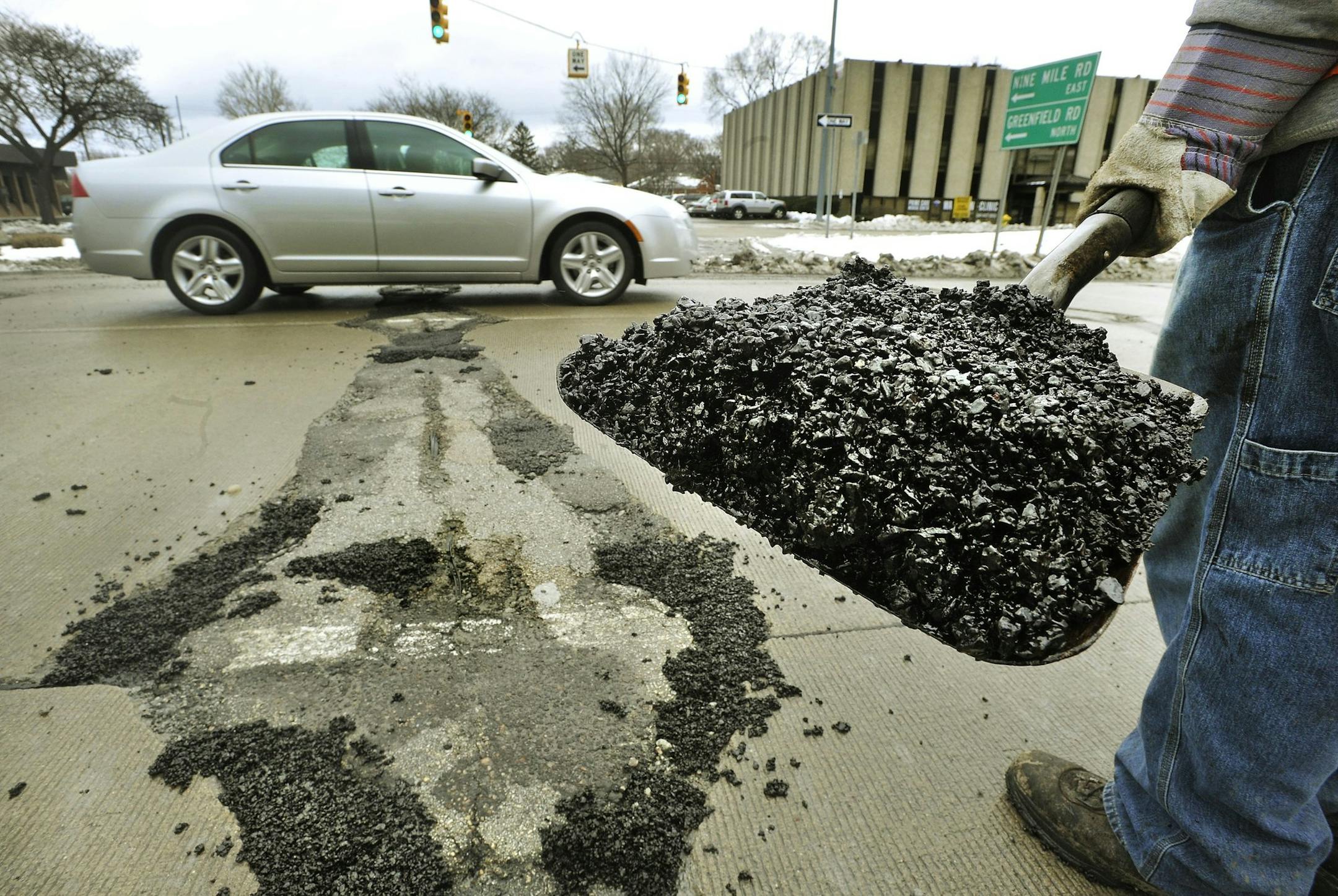
Falling gas prices, decaying roads and bridges and a gridlocked Congress have states, even those run by Republicans, debating higher taxes.
States including Iowa, Michigan and New Jersey are considering higher levies at the pump, borrowing more or other money-generating maneuvers to improve infrastructure. Prices at the pump, which have fallen by more than $1 per gallon since April, may help ease opposition.
"The timing is right in light of the fact that fuel prices have dropped significantly," Iowa Gov. Terry Branstad, a Republican re-elected in November, said this month in Des Moines. "This is a difficult and challenging issue, but if we work together, I think we can get something done."
The American Society of Civil Engineers estimates that the U.S. requires $3.6 trillion in infrastructure investment by the decade's end. Congress hasn't raised the gas tax since 1993. Meanwhile, federal and state levies raise less as vehicle fuel efficiency has increased.
David Goldberg of the group Transportation for America, which advocates increased infrastructure funding, said representatives from 30 states attended the group's Denver conference last month exploring ways to raise funds. At least 10, he said, are considering action. Sean Slone at the Council of State Governments identified 20 states where higher taxes are possible.
To meet surface-transportation needs, $163 billion of investment is required annually for the next six years, said a Dec. 9 report by the American Association of State Highway and Transportation Officials and the American Public Transit Association.
Tax or ignore
States can increase gasoline taxes, seek other revenue or simply neglect their needs, said Richard Auxier, a research associate at the Tax Policy Center in Washington.
"Option C is untenable," he said. "The problem is that this is always going to be a difficult political vote."


