

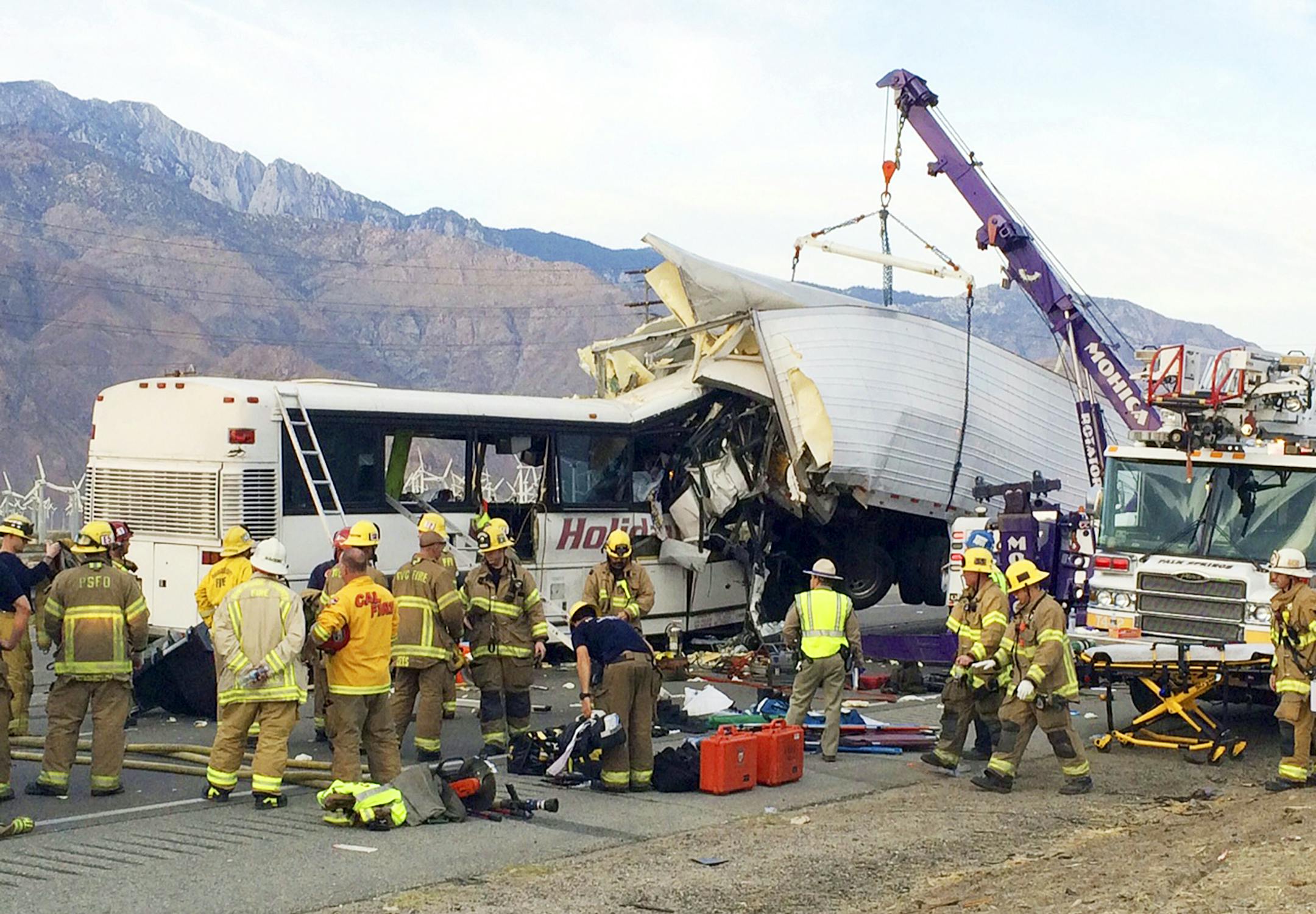
WASHINGTON – Whether it's working the night shift, caring for a newborn, studying all night for exams or simply living in a 24/7 society, Americans are sleep-deprived — and that can be deadly on the nation's roads.
To draw attention to the problem, some states have passed resolutions, posted messages on highways and required information to be included in driver's education courses and driver's manuals. But few have stepped up enforcement, trained police officers to detect when a driver hasn't gotten enough sleep or enacted criminal penalties if drowsy driving results in a fatality.
This year, legislators in New York and Washington state introduced measures that would have made it a felony for a fatigued driver to cause a crash that kills someone. There was a public hearing on the Washington proposal, but neither bill has passed.
Only two states, Arkansas and New Jersey, have enacted such laws, but meeting the standards for prosecution and conviction is difficult. Arkansas, which considers it negligent homicide, requires that the driver hadn't slept for the previous 24 consecutive hours; New Jersey, which calls it vehicular homicide, does the same, but it sets the time at more than 24 hours.
But those states have had "limited success" convicting drowsy drivers under the statutes, according to a 2016 report by the Governors Highway Safety Association (GHSA), which represents state highway safety offices. Arkansas has had only three convictions since 2013, when the law took effect.
One reason it's tricky: When a fatigued driver is stopped by police, adrenaline usually kicks in and he doesn't appear to be sleepy.
"We don't have a sleep meter, like we have a Breathalyzer, so it's difficult to recognize drowsy driving," said Pam Fischer, the GHSA consultant who wrote the report. "It's hard to prosecute, hard to make the case, and hard to enforce unless the driver readily admits it."
Fischer said states need to do a better job training police officers to spot drowsy drivers on the road and to recognize some of the telltale signs if they pull them over or arrive at the scene of a crash. Officers also should ask drivers how much sleep they got in the past 24 hours, put that information in their report and warn them about the dangers of drowsy driving, she said.


