

![At the intersection of Hwy 47 and County Road 8 north of St. Francis, Julie Contreras lost her daughter 8 years ago when the car she was a passenger in was hit by a truck going northbound. New flashing lights have been installed at 50 rural intersections in Minnesota to warn drivers when a car is approaching.] Richard Tsong-Taatarii/rtsong-taatarii@startribune.comAt the intersection of Hwy 47 and County Road 8 north of St. Francis, Julie Contreras lost her daughter 8 years ago when the car she w](https://arc.stimg.co/startribunemedia/QAK3CTSULANRMQVXWVUKLC52BE.jpg?&w=1080)
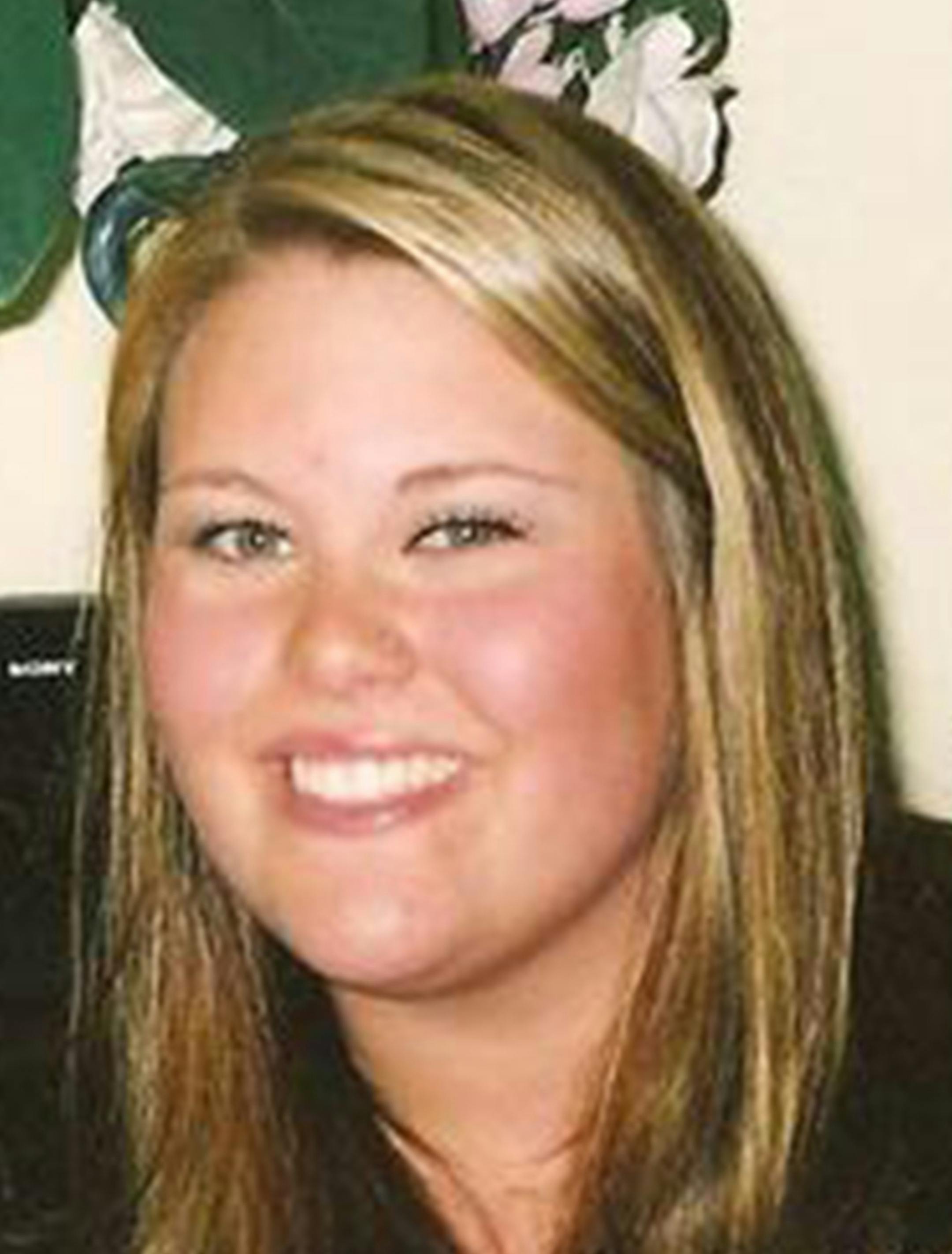
ST. FRANCIS, MINN. – Every December since her daughter died in a car crash near here, Julie Sainio Contreras places a wreath at the flat, country intersection of Isanti County Road 8 and state Hwy. 47.
This year, eight years after the collision that killed 21-year-old Elizabeth Sainio, her mother was heartened to see what she feels is a drastic improvement: an electronic sign with yellow blinking lights that reads, "Traffic Approaching When Flashing." The signs were turned on early this month.
"I'm glad about the lights to save somebody else's life," she said. "That's important to me."
Similar warning lights have been dotting rural Minnesota's countryside in the past year. The state is installing them at nearly 50 rural intersections deemed most at risk for crashes because of sight lines, topography, crash history and other factors.
They are among the latest tools in a large arsenal aimed at combating the state's traffic deaths, 67 percent of which occur in rural areas holding only 31 percent of the population.
Nationally, Minnesota has emerged as a leader in curbing traffic fatalities, cutting its rate by more than half in an 18-year period starting in 1994. As of 2012, Minnesota ranked second in the nation for the lowest fatality rate, behind only Massachusetts, according to the latest federal data.
But with more than 340 deaths on state roads this year, highway safety advocates say Minnesota can do better.
"It's a lot of people and all those people touch so many lives," said state traffic engineer Sue Groth. "That's only the people who have died, not including people who have been seriously injured whose lives have been changed."
![At the intersection of Hwy 47 and County Road 8 north of St. Francis, Julie Contreras lost her daughter 8 years ago when the car she was a passenger in was hit by a truck going northbound. New flashing lights have been installed at 50 rural intersections in Minnesota to warn drivers when a car is approaching.] Richard Tsong-Taatarii/rtsong-taatarii@startribune.com](https://arc.stimg.co/startribunemedia/VOU6UMWFOMOZCDWK4SJZJFKBYY.jpg?&w=1080)


