

Minnesota is preparing to expand Medicaid coverage to another 145,000 people, including thousands of children.
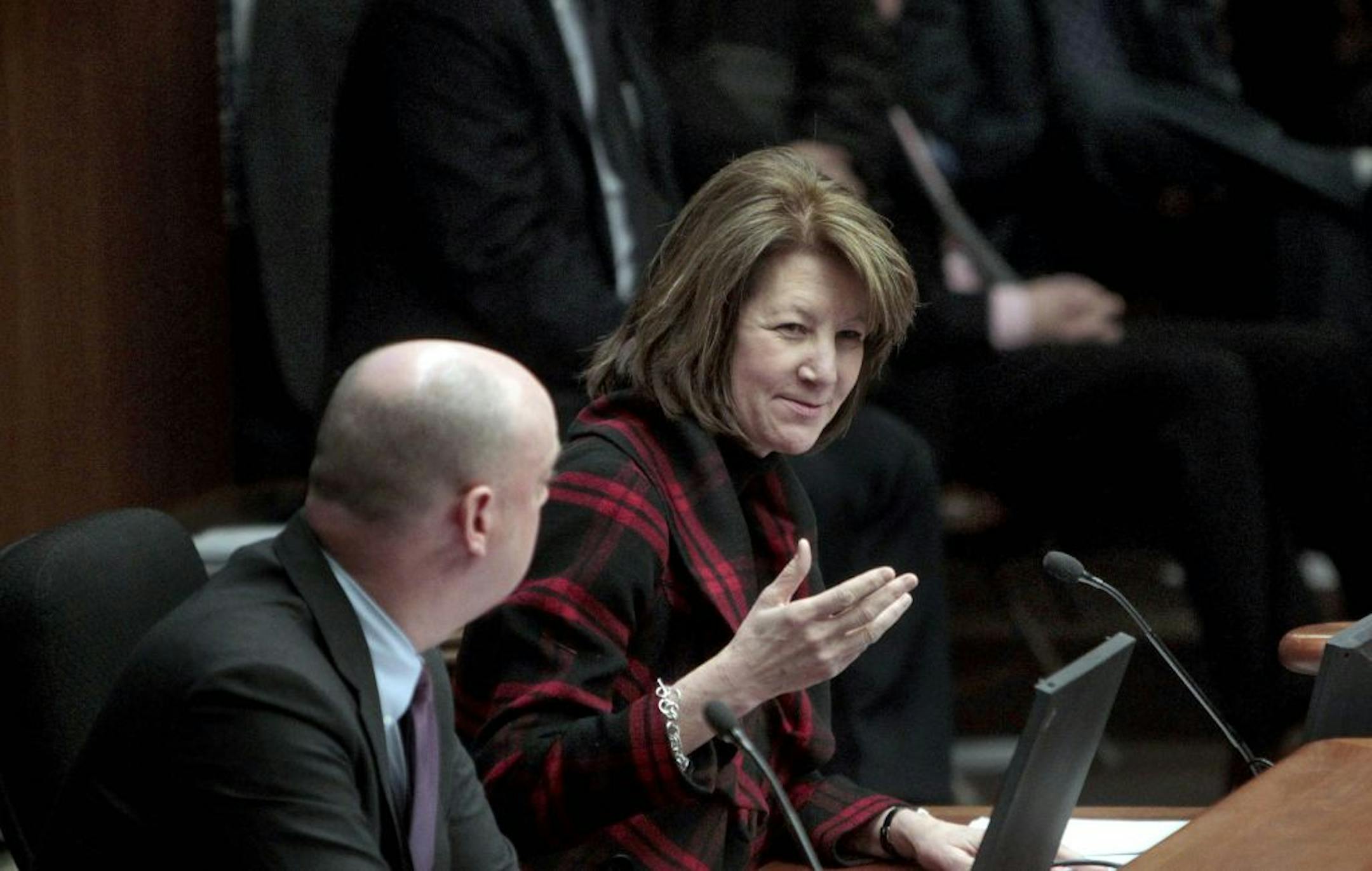
"The whole promise of [health care] reform was built upon a promise of more coverage for more people," said Human Services Commissioner Lucinda Jesson, who testified before a Senate committee Wednesday about the next step of the massive federal health care reforms.
Gov. Mark Dayton's budget would expand the Medical Assistance program -- Minnesota's version of Medicaid -- to people who earn 138 percent over the current income limit. The expansion is expected to save the state $143 million, as the federal government picks up the tab for health care that the state, or local emergency rooms, now provide.
Expanding Medicaid "should be the easiest decision facing the Legislature this session," Jesson said, shortly before testifying in front of a Senate committee. Jesson was backed by a broad coalition of groups, ranging from the Chamber of Commerce to the AARP, that support the expansion.
Despite that support, some Minnesota physicians and hospitals have raised concerns about whether the state will be able to provide care to thousands of new Medical Assistance patients. It has been more than a decade since the state raised the fees it pays the providers who see these patients. The governor's proposed budget includes a request for an increase in those fees, but health care providers say they need more to care for this new population.
"Minnesota physicians have had their fee-for-service rates frozen for 13 years," Dr. David Thorson, chairman of the board of trustees for the Minnesota Medical Association, told senators.
Medicaid expansion is one of many moving parts in the health care reform debate at the Legislature. Few of those debates are likely to be easy.
While Jesson testified in one hearing room, another Senate committee was wrangling over health insurance exchanges -- the online marketplace the state hopes to build to help more than a million Minnesotans shop for health insurance.


