

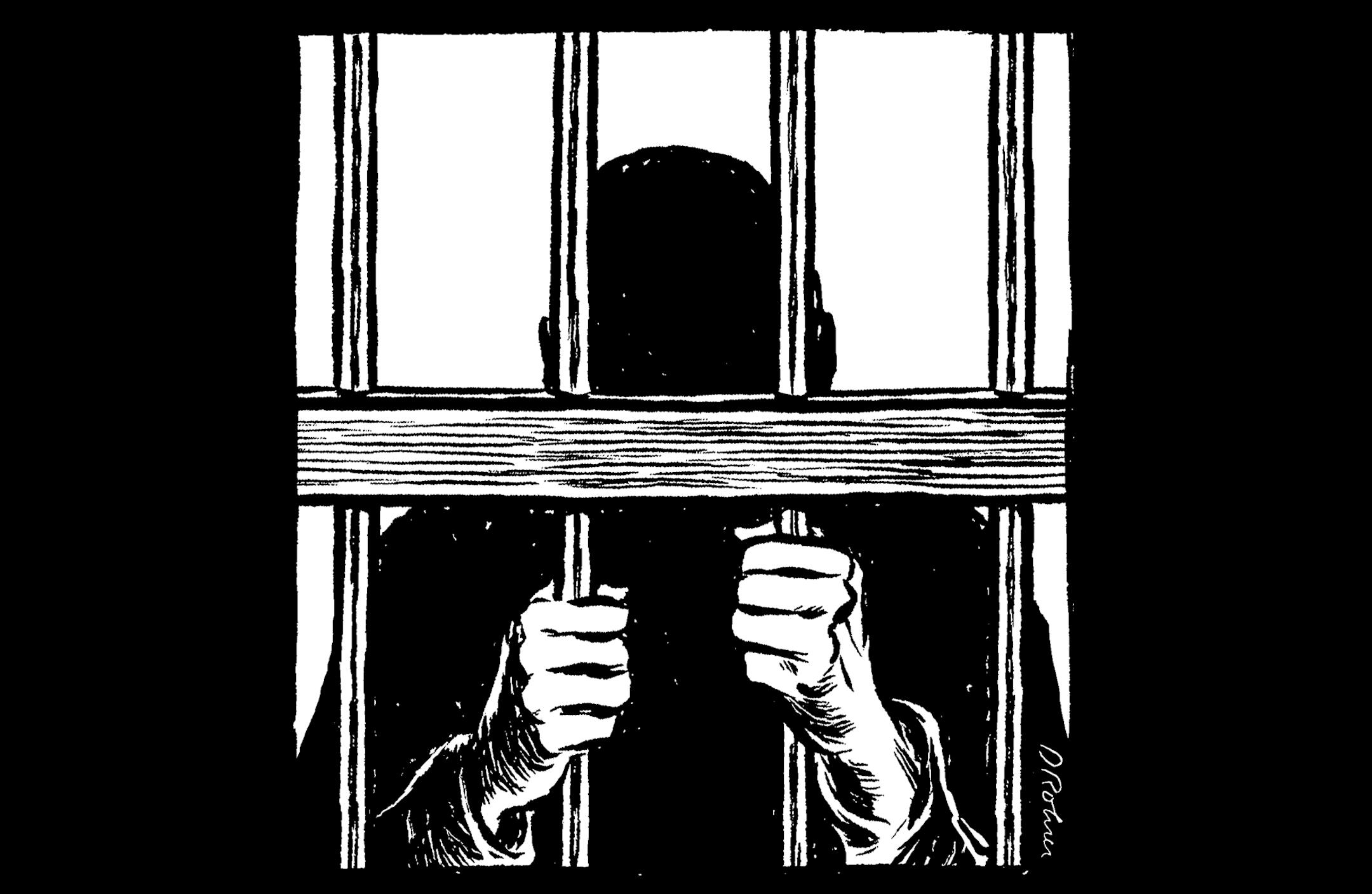
It's no secret that life can be difficult for an ex-con. Though they've paid their debt to society, they often have trouble finding a job and getting readjusted after leaving prison.
Those same problems exist even if a person is released after being found innocent of the crime that sent them to prison. And in Minnesota, the state does nothing to help those who have been wrongly accused, convicted and locked up.
We can do better for those few who are victims of mistakes in the criminal justice system. Last week, Sen. Ron Latz, DFL-St. Louis Park, and Rep. John Lesch, DFL-St. Paul, said they are working with the Innocence Project on legislation that would do just that. They will introduce bills during the 2014 legislative session that would compensate those wrongly convicted and help them get their lives back on track. That is the very least the state can do after sending an innocent person to prison.
Currently, 29 states, the District of Columbia and the federal government all have compensation statutes for the wrongfully imprisoned. Minnesota is one of 21 states that do not.
To change that, Latz and Lesch propose giving monetary compensation capped at $700,000, although they acknowledge that the amount may be adjusted depending upon the length of incarceration and how much income is lost. Their bill also would require the state to provide services such as food, transportation, affordable housing, health care, counseling and help with workforce skills.
Two recent examples in Minnesota demonstrate why it's important to pass compensation legislation. Koua Fong Lee spent nearly three years in prison after being convicted of criminal vehicular homicide. He was driving a car that hit and killed three people. Later it was learned that Toyotas like the one he drove had been recalled for faulty brakes, and his conviction was set aside.
Michael Hansen spent nearly seven years in prison, convicted in the death of his infant daughter, but he was released after an investigation later found that a fall several days before she died actually caused her death.
Both men were thrilled to be exonerated, but they were set free with little more than an apology. Both experienced difficulty resuming their former lives after being released from prison. Too often the punishment from a wrongful imprisonment lingers long after innocence is proven. And there are often psychological consequences that stem from being deprived of family, friends and the ability to build a career.


