EMILY, MINN.
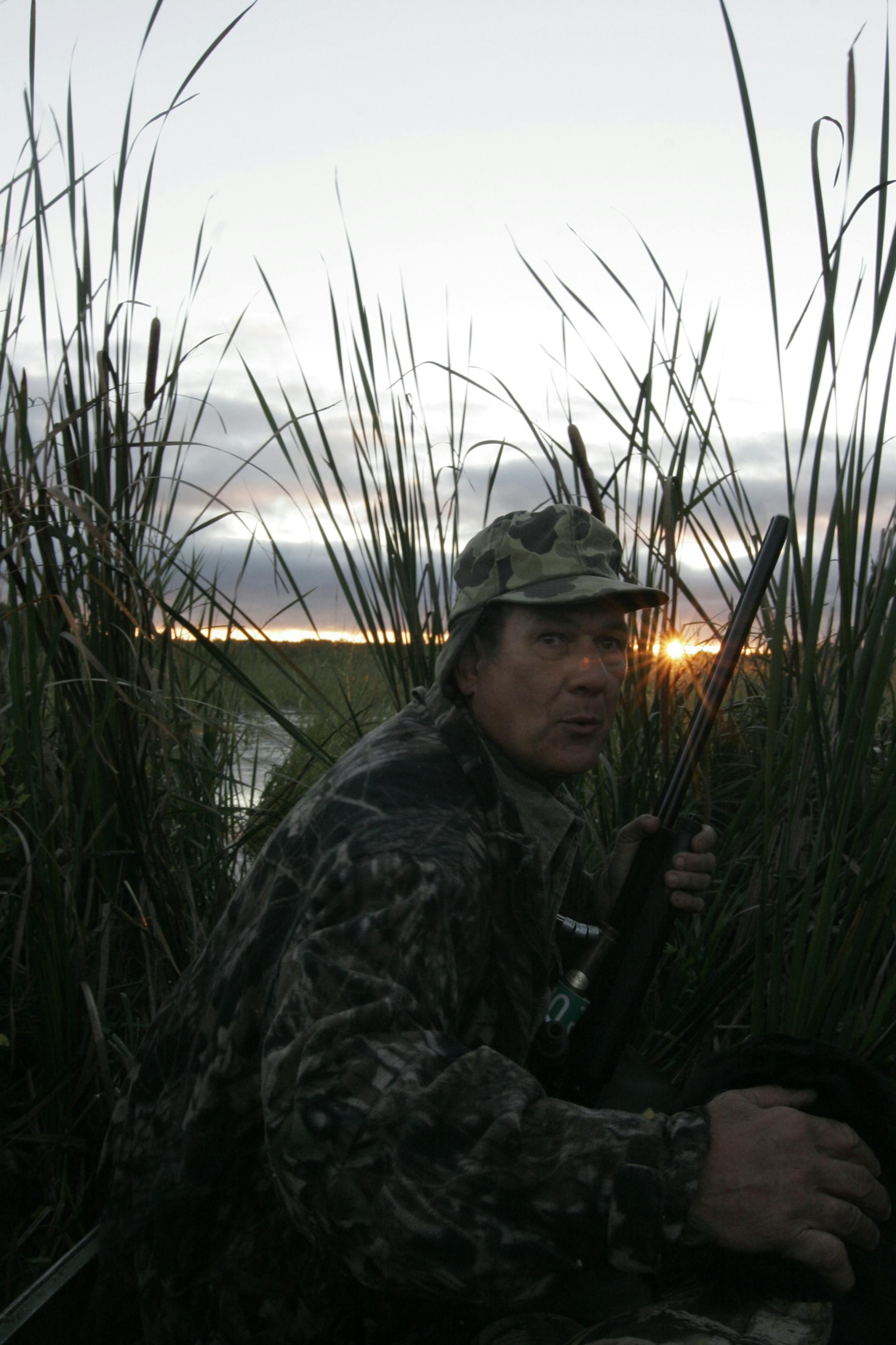
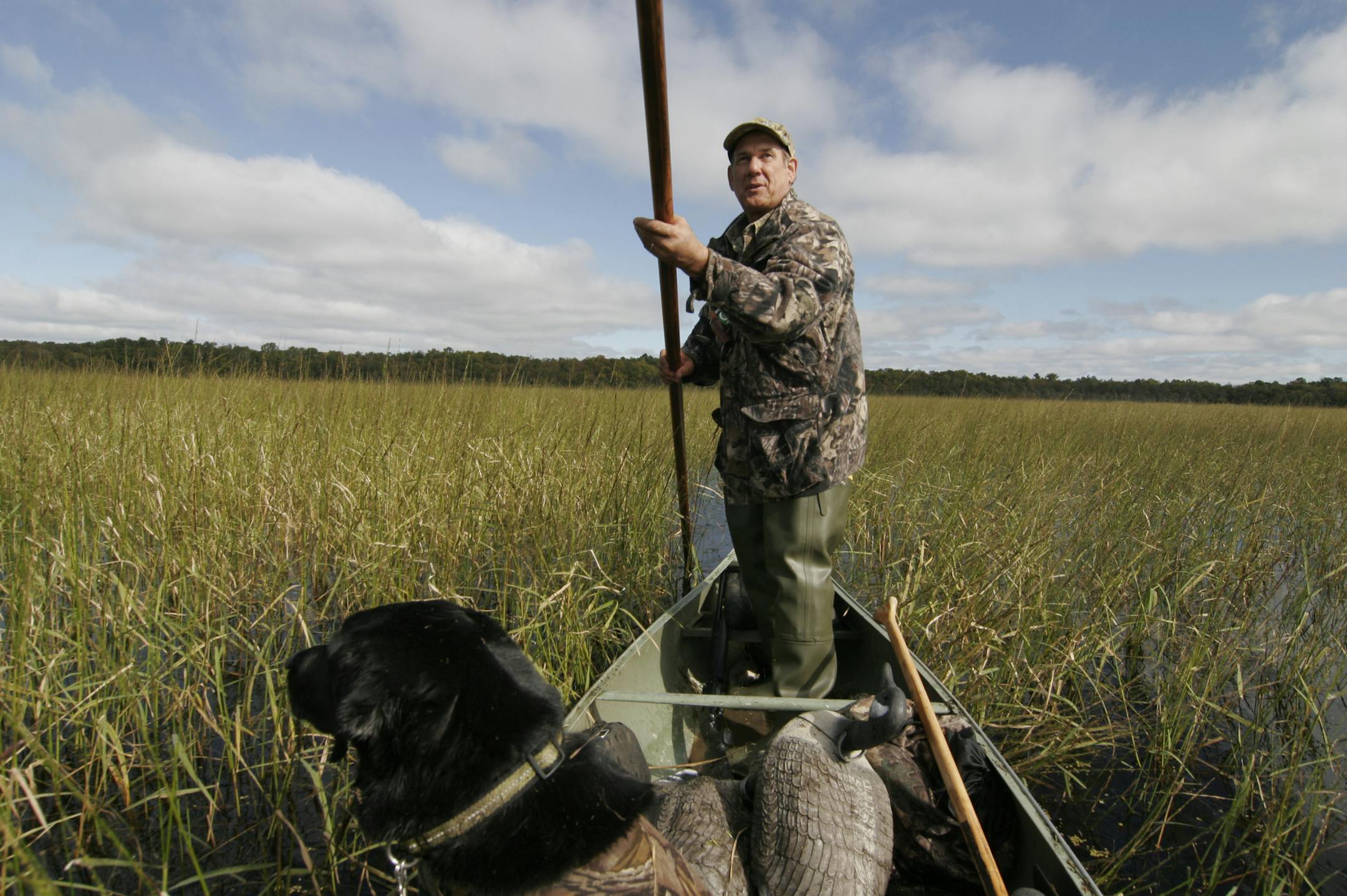
Rod Ustipak struggled to pole his canoe through wild rice as thick as prairie grass in the predawn darkness Saturday.
As we crossed to the far shore of a shallow north-central Minnesota lake, the whoosh of mallards lifting off the water startled us. Then more ducks rose up — the females quack-quack-quacking in protest as they flew off.
"They're in here feeding on the rice,'' Ustipak whispered.
A few minutes later, after we had set out a handful of decoys but before legal shooting time, a dozen mallards carved the air like acrobatic jet fighters, just yards from us.
"That was worth the price of admission,'' Ustipak said with a smile, nestled in a the bow with his lab, Mya.
Ustipak, 62, of Baxter, Minn., was in his element, literally. An avid waterfowler, he's also coordinator of the state's wild rice program — a joint effort between the Department of Natural Resources and Ducks Unlimited to maximize wild rice production on about 100 northern Minnesota lakes covering about 28,000 acres.
Wild rice needs shallow water, a half-foot to 3 feet, for optimal production. High water is a bane, uprooting plants. Nearly all rice lakes have outlets, allowing water to flow downstream, which keeps the lakes shallow. Ustipak has a network of about 30 people who are paid to keep those outlets free-flowing, primarily by removing beaver dams and beavers, as well as floating logs and other debris.