

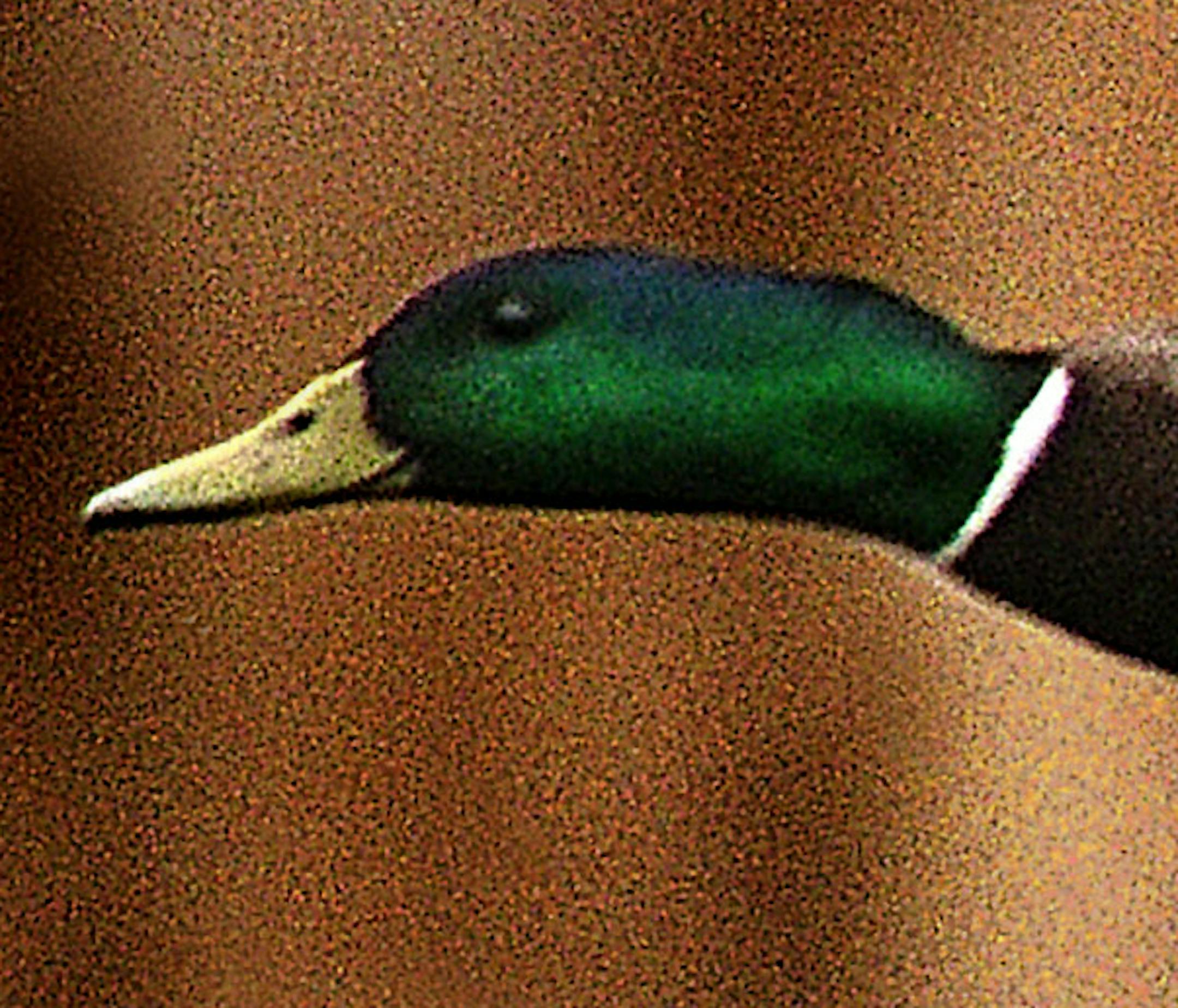
Minnesota's breeding mallard population is down 20 percent from last year, according to the annual Department of Natural Resources survey released Monday.
Mallards were estimated at 206,000, compared to last year's estimate of 257,000. That's 17 percent below the recent 10-year average and 10 percent above the long-term average measured since 1968.
Officials say weather delays might have caused the survey to underestimate the mallard count.
The survey, done from the air and on the ground, takes nine days, said Steve Cordts, the DNR waterfowl specialist who conducts it. Usually bad weather prevents airplanes from flying the survey routes a few days each spring, so on average the surveys are done over 12 days. This year, according to Cordts, it took 27 days — the most since the annual surveys began 47 years ago.
"We were grounded 10 straight days," Cordts said.
That affects the accuracy of the survey, he said. "The later you go, the number [of ducks] always goes down," he said, partly because ducks continue to migrate out of the state. "You almost want to put an asterisk by it."
Cordts said the annual survey is best used as an index to show trends, rather than year-to-year population changes. "I never get my hopes too high, or too low, based on our survey," he said.
Meanwhile, the blue-winged teal population is estimated at 169,000 this year, 66 percent above the 2014 estimate of 102,000, but the population remains 21 percent below the long-term average of 212,000. Again, Cordts figures the blue-wing teal population, like the mallard population, likely is similar to where it has been the past five years.

