

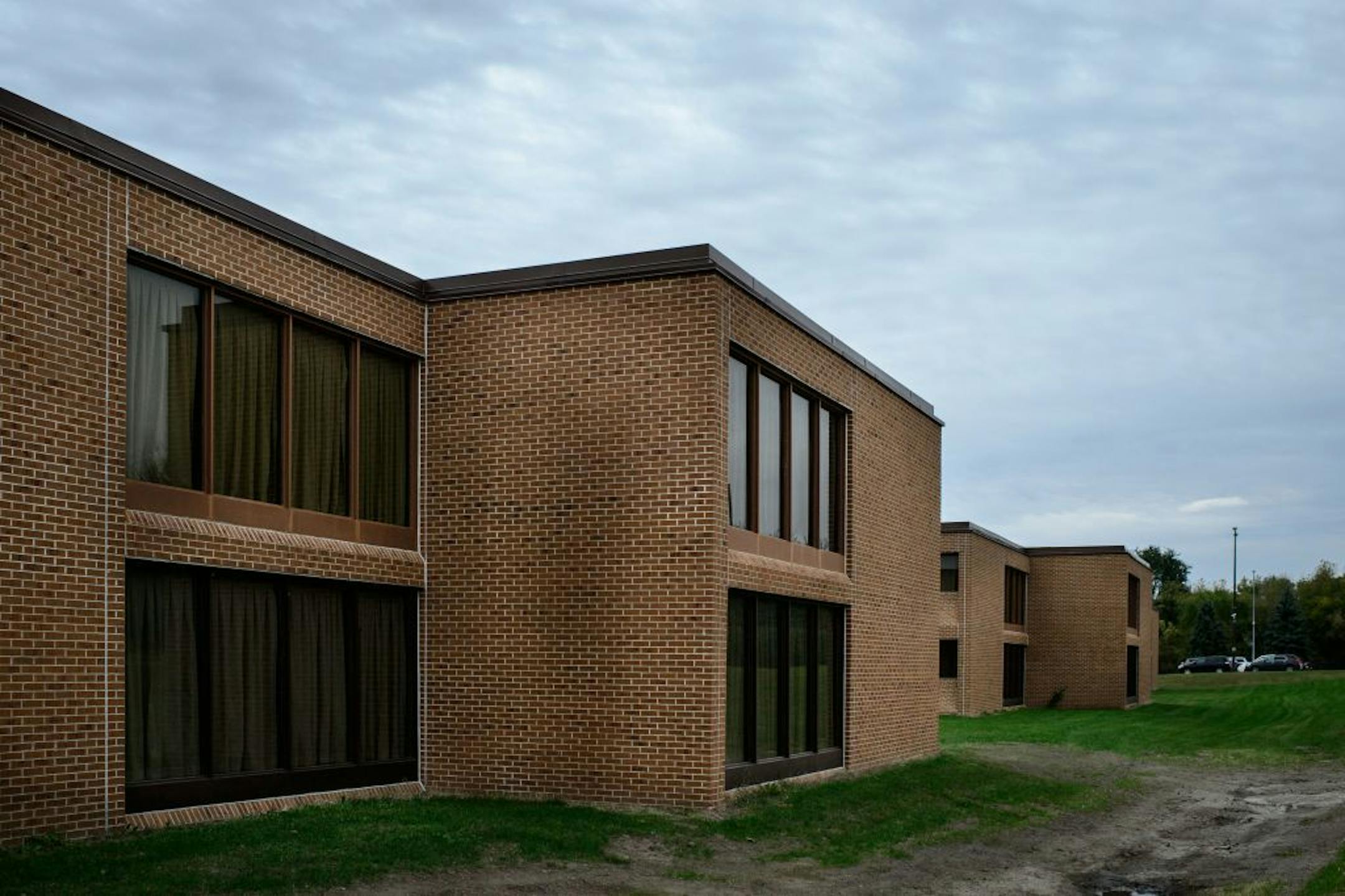
In an effort to quell surging levels of violence and workplace injuries at Minnesota's largest psychiatric hospital, state authorities are preparing steps to segregate the most aggressive patients in more secure facilities.
Under a plan unveiled to lawmakers Tuesday, patients at the Minnesota Security Hospital in St. Peter with a history of violent outbursts will be transferred to separate homes with staff specially trained in de-escalating violent confrontations. The plan also calls for protecting new patients by admitting them to a separate unit isolated from the rest of the hospital population.
The efforts are designed to address an alarming increase in assaults on staff at the troubled security hospital, which houses about 225 of the state's most dangerous and mentally ill patients. Currently, patients who are undergoing severe mental crises, and may be prone to violence, are housed together with other patients who are more stable, creating a combustible atmosphere that disrupts therapy, say state officials.
Last year, staff suffered a record number of injuries, 101, mostly from assaults by patients. The number of patient-on-staff assaults has more than doubled, from 32 in 2011 to 71 in 2014, and last year federal occupational safety authorities levied a fine of $4,900, which was later reduced to $2,450. The violations were identified as "serious" because they could have resulted in death or serious injury to employees, OSHA found.
The state mental hospital has long struggled to balance its dual mission of treating people with severe mental illnesses and preventing them from hurting themselves and others.
"There has to be a way to quickly and with a great sense of urgency move people when they are so disruptive that they are assaulting and hurting others," Deputy Human Services Commissioner Anne Barry said in an interview. "Because they can change the entire therapeutic environment."
The state's plan would isolate highly aggressive patients in secure homes removed from the core hospital building at St. Peter.
The sites have yet to be determined, but the state estimates that fewer than six patients would need such strict isolation at any time, as most assaults are caused by just a handful of patients. For instance, last year, just one patient accounted for nearly 30 of the assaults on hospital staff, the state found.


