

![TOM WALLACE • twallace@startribune.com Assignment #20013552A Slug: beautiful12xx Date: July, 28, 2010 _ Beautiful Garden Series of the Curtis and Diane Dutcher home and garden _ IN THIS PHOTO ] The Curtis and Diane Dutcher home and garden in Brooklyn Park. Bees in the Beebalm "Monarda" in the backyard part of the garden.](https://arc.stimg.co/startribunemedia/I7DATFH3I5YHLFKUJI6MYJ4PBQ.jpg?&w=1080)
I am a beekeeper. And even though this is a gardening blog, I hope you don't mind if I talk about my bees a little bit. They are fascinating and they play a pretty big role in the circle of life of gardens.
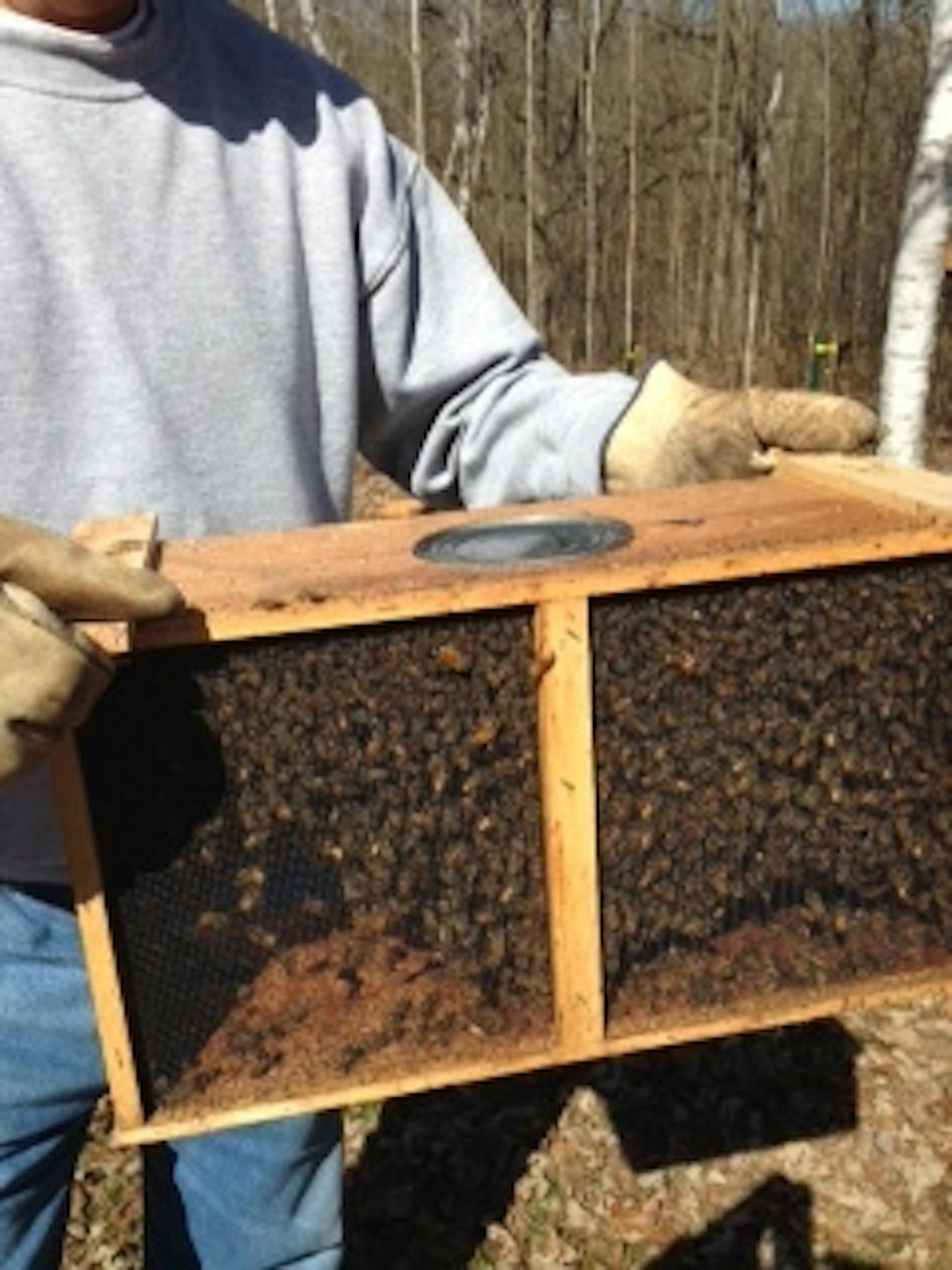
Like gardeners, beekeepers enter Spring very optimistic. We picked up our bees from Nature's Nectar on a beautiful sunny morning a week ago. Put two boxes filled with about 7,000 bees each in the back of our SUV and headed north. It was windy on Monday, but dry. Late afternoon, we suited up, sprayed the bees down with a little sugar water and shook them into their new homes. We have two boxes, two live queens, a bunch of sugar water – everything is peachy.
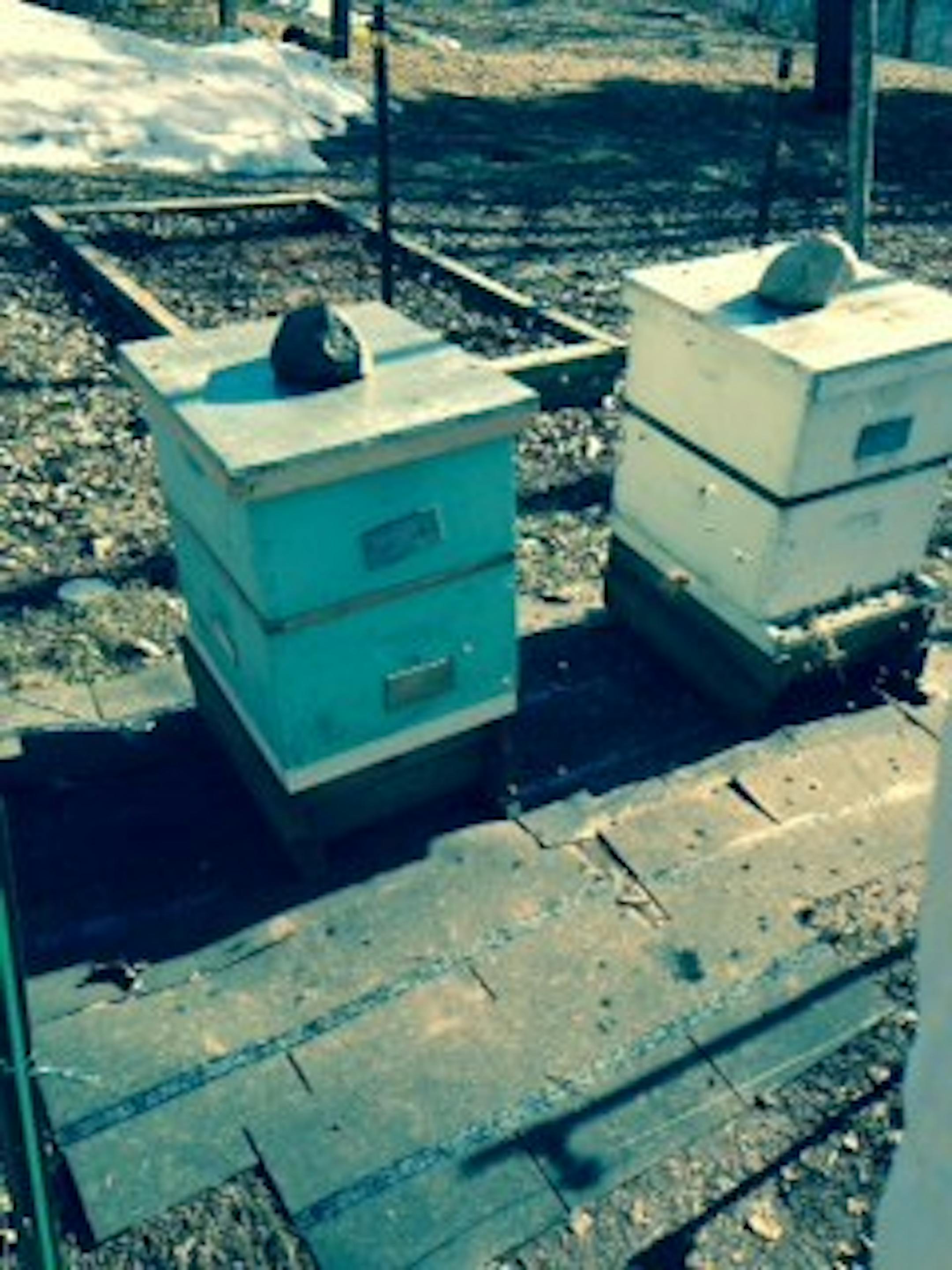
The next morning, the bees were out and about checking out the neighborhood. The apiary is in a good location, basswood trees, dogwood bushes and plenty of water within a mile. Nothing blooming at the time, but they have sugar water (carbohydrates) and substitute pollen (protein), so they have what it takes to start working on growing the hives. (Little did the bees know that it would be SNOWING this morning!)
Not everyone can keep bees. It freaks out many of my friends when I tell them that in August, we have about 30,000 bees less than 20 feet from our deck at the cabin. Really, they are more help than harm.
Over 35% of human food relies on pollinators. Aspen, birch and many of trees of the woods could not survive without pollinators. The seeds the birds eat are all pollinated. There are over 300 species of bees in Minnesota – over 18 of bumblebees alone.
Unfortunately, pollinators are dying.
The reasons are numerous, and as a Hennepin County Master Gardener, I'm waiting for the "official word" from the University of Minnesota before I start shouting. For now, I'm spending a couple hundred bucks on bees. Giving them time and sugar and hoping that they help my little corner of the world. Maybe if I'm lucky we'll get some honey to enjoy.
If your neighbor asked you if they could keep bees in their back yard (or deck or roof) – and city laws were not a factor – would you give them permission?


