

A book titled "Ornithology of Shakespeare" — obscure at best — is a clue to why North America has millions of European starlings.
It was a bonus I discovered in another book, probably the best book I have read about birds: "Mozart's Starling" by Lyanda Lynn Haupt. She explains why we have starlings, then tells of the joy and surprises of raising one.
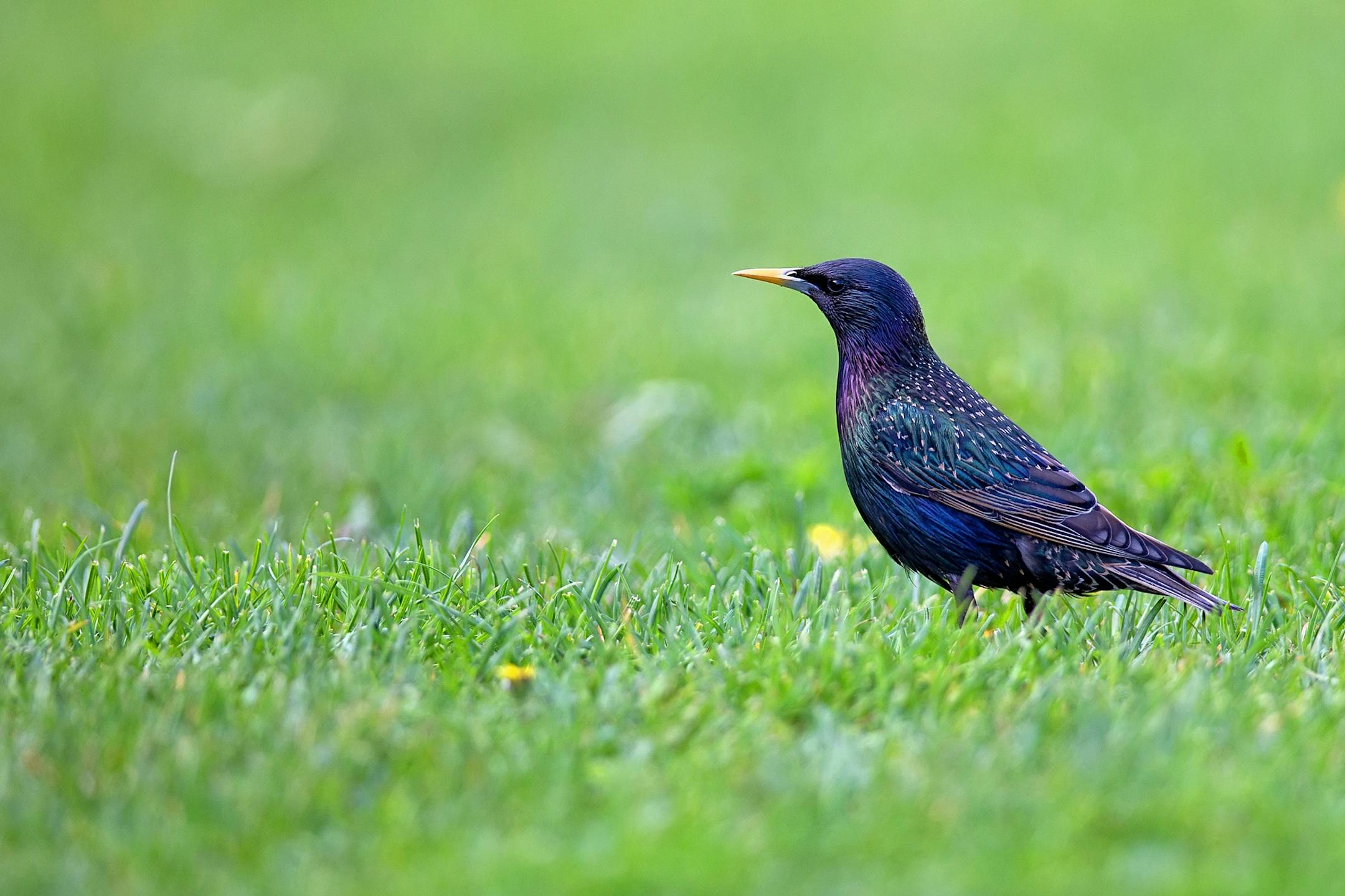
You might know about the Bronx pharmacist, Eugene Schieffelin, who wanted to bring to New York City's Central Park all of the bird species mentioned in Shakespeare's plays. Schieffelin's guide book to ornithology and Shakespeare was written by James Edward Harting, published in 1871.
Following that book, Schieffelin imported nightingales, skylarks, chaffinches and more — lovely birds all — but they didn't survive a Central Park winter. The starlings did.
Starlings, by the way, are mentioned but once in Shakespeare's hundreds of avian references. What are the odds?
Mozart enters the story because he kept a pet starling. He heard it sing what sounded to him like a phrase from a concerto on which he was working. He bought the bird.
That leads us to the heart of the book: author Haupt plucking a baby starling from its nest, and raising it, sort of a la Mozart.
Starlings are unpopular birds with many of us, and in some cases hated, Haupt says. They are non-natives competing successfully with native birds, particularly for nesting cavities. They can gather in flocks of thousands.


