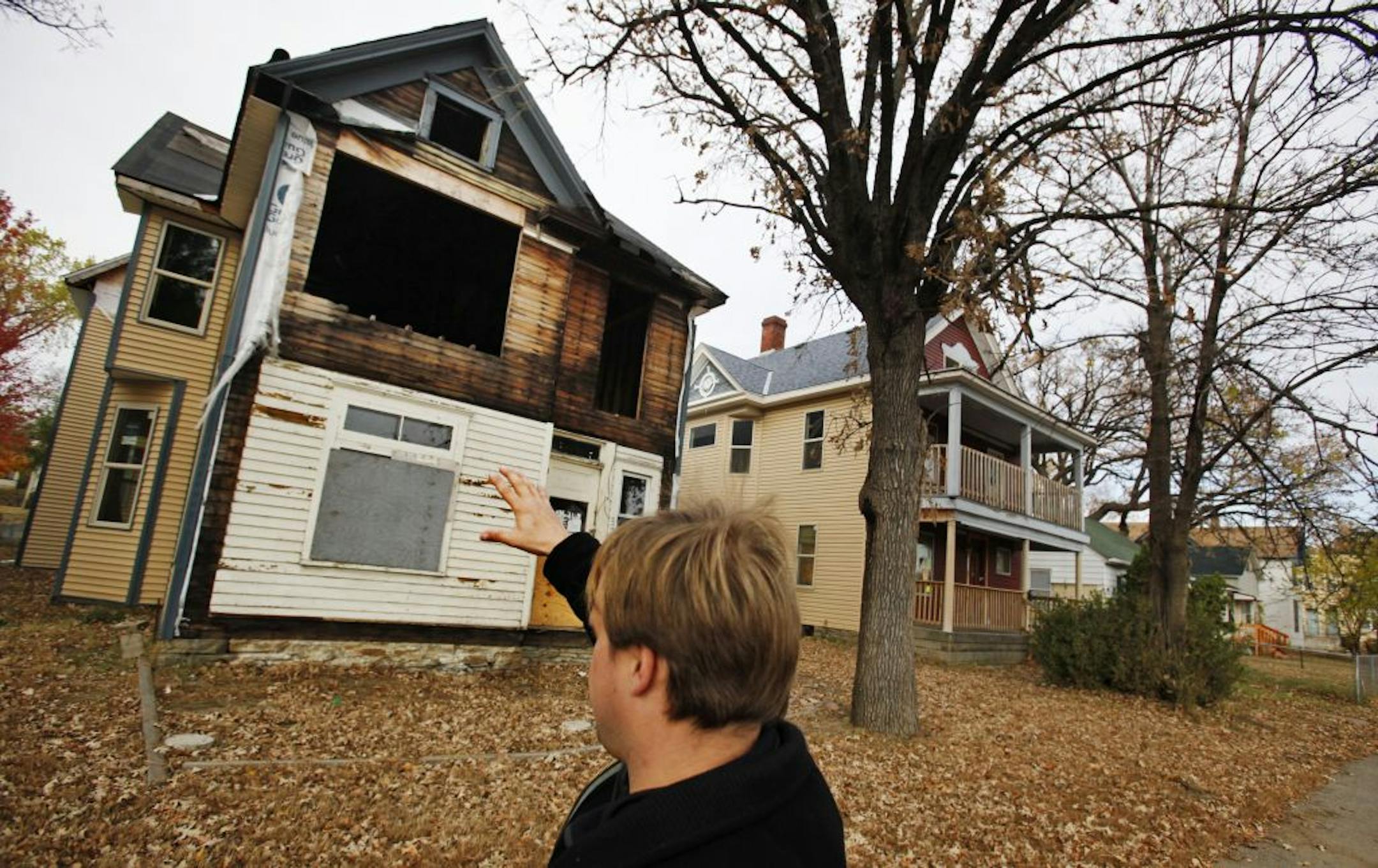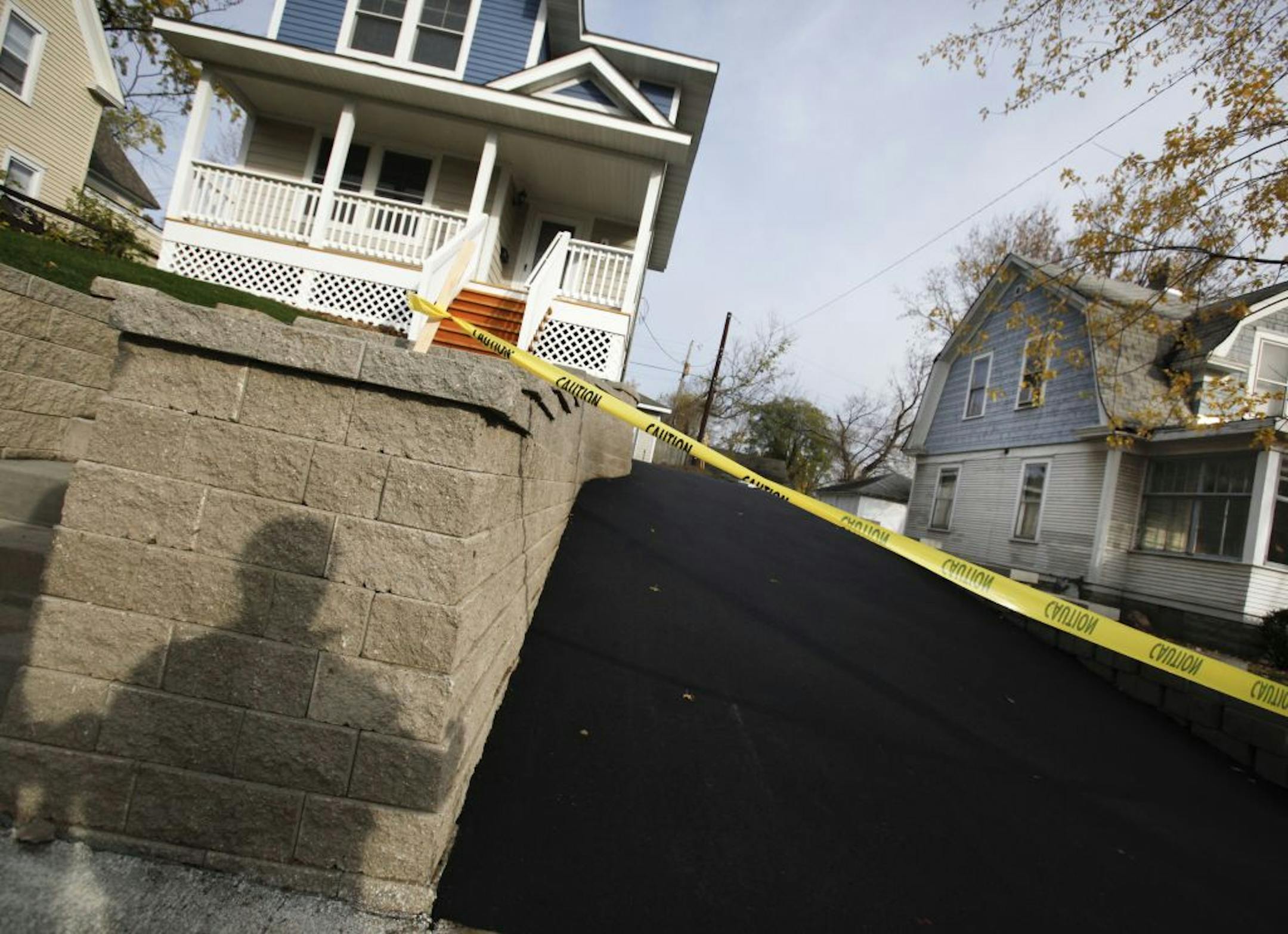
In the Hawthorne neighborhood in north Minneapolis, promise and despair seem to alternate from block to block.
One intersection at 31st Avenue and 6th Street N. is blossoming with optimism. New homes are going up, others have been rehabilitated, a 43-unit apartment building is under consideration nearby, and last year, former President Jimmy Carter came to the neighborhood to pound nails for a Habitat for Humanity project.
"Three or four years ago, you could call it the worst block in Minneapolis," says Jeff Skrenes, the housing director for the Hawthorne Neighborhood Council. The block had a stretch of boarded, vacant buildings, and drivers once rolled through the intersection for fear of stopping. Now it's safe to walk, Skrenes says.
Still, there's another side to the Hawthorne story. A new study of north Minneapolis paints a grim view of Hawthorne, where 57 of 58 blocks show a below-average "housing index," making it among the most problematic of the North Side's 12 neighborhoods. The study uncovered a combination of deteriorated housing, a 10 percent vacancy rate, a 48 percent drop in housing market value over the past 3 1/2 years and only 33 percent owner-occupied homes.
But the report shows that housing conditions on the city's North Side vary widely, with some vibrant areas like the Victory neighborhood where all 76 blocks have an average or above-average housing index.
"To make sweeping generalizations about the whole North Side is something we have been frustrated with for years," says Debbie Nelson, coordinator of the Victory Neighborhood Association. Nelson considers the new report "a good reflection" of Victory, which borders Robbinsdale in the northwestern corner of the city.
The report was produced by the Folwell Center for Urban Initiatives, associated with the Folwell Neighborhood Association, and was funded by a grant from the Pohlad Foundation. The Center for Urban and Regional Affairs at the University of Minnesota conducted the statistical research. The report's recommendations were prepared by Roberta Englund, executive director of the Folwell and Webber-Camden neighborhood associations.
"It's a way of looking at neighborhoods more intelligently and more compassionately," says Englund. "You can't guess your way into a good city."