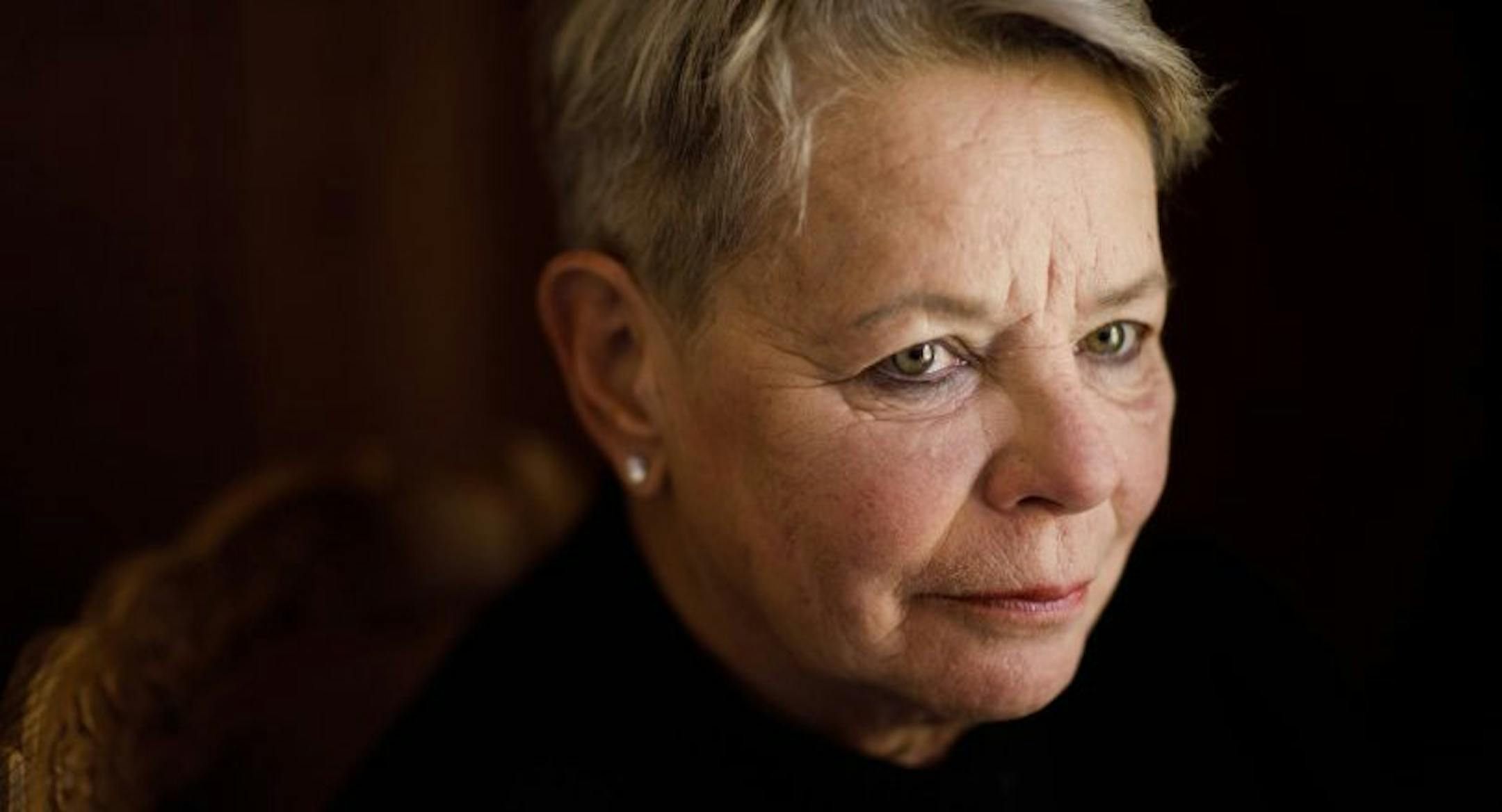
She's a professor of medicine at Stanford and a former partner in a health care venture capital firm. She sits on the Harvard Medical School Board of Fellows and the boards of biotechnology companies. But that's not why people recognize Phyllis Gardner.
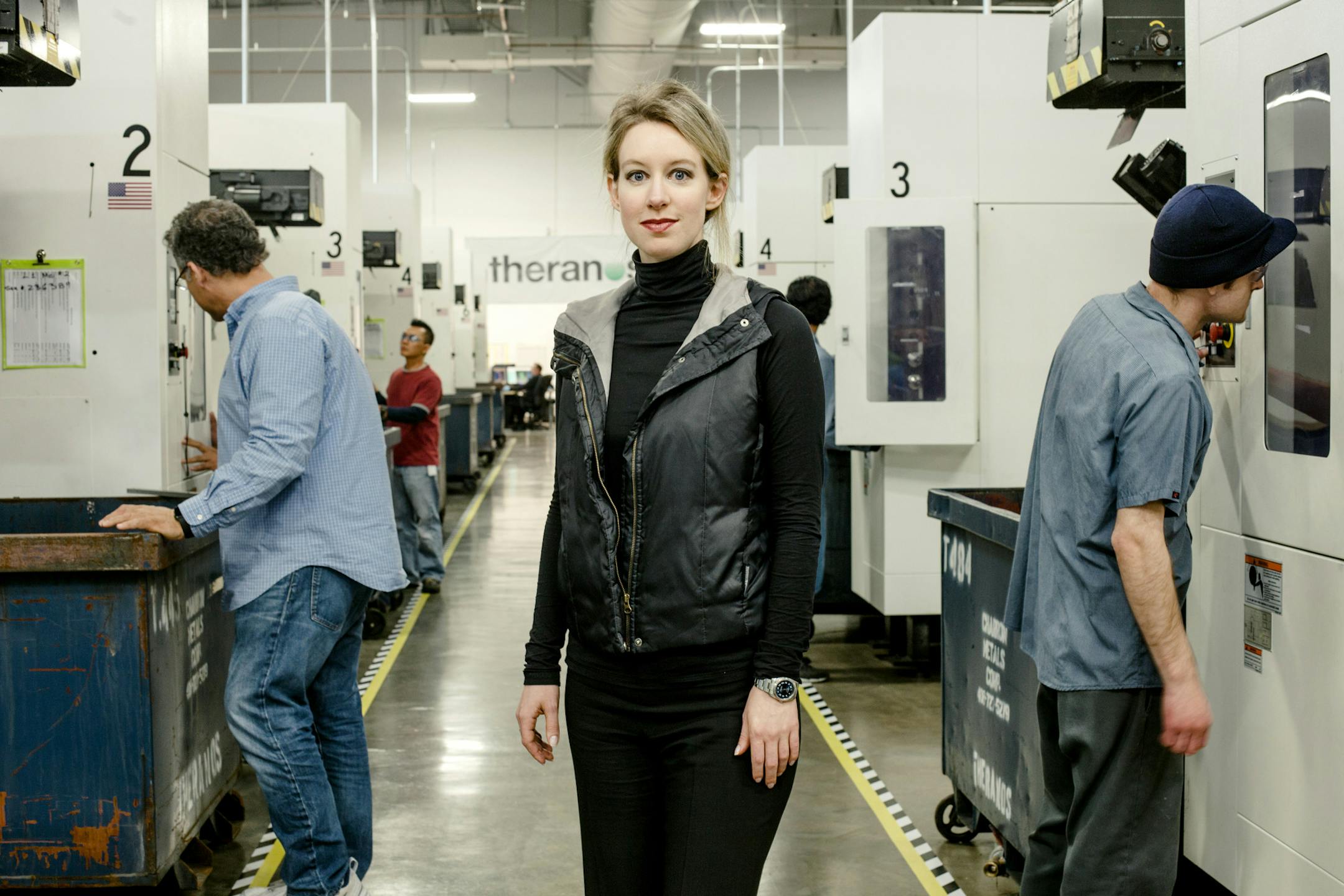
Rather, it's because of her frank assessments of Elizabeth Holmes and the massive fraud authorities say Holmes and her blood testing company perpetrated.
Gardner recounts meeting Holmes when she was a Stanford student pitching lofty medical technology ideas; she told Holmes that what she wanted to do was impossible, Gardner said, but the 19-year-old brushed her off.
The experience made Gardner an early skeptic as Holmes went on to build Theranos into a $9 billion company, hiding the fact that its technology didn't work.
Q: Is it strange that, while you've had a long and successful career, the thing you're getting public recognition for now is someone else's fraud?
A: It's not so much recognition. I think what people have liked is that I did not fall for [Holmes]. … I've always tried to help students. … I say this because I want you to know, for me to have this gut, visceral reaction like this is very unusual. I like most people, and I give them the benefit of the doubt. … She came with these ideas and she would not listen. She was brought by someone else who said she was the most brilliant person, and I'm like, "Don't call people brilliant around me because I'm surrounded by Nobel laureates."
Q: There were so many investors, journalists, employees, even politicians who had their reputations damaged because they fell for Theranos. You're one of the very few people who emerges from this story looking better.
A: A lot of the people in the Valley were skeptics. The venture capitalists didn't believe her for a second. She'd wave her arms and they'd say, "We have to know how this works." And she'd say, "It's a trade secret." And they'd say, "Get out of here."