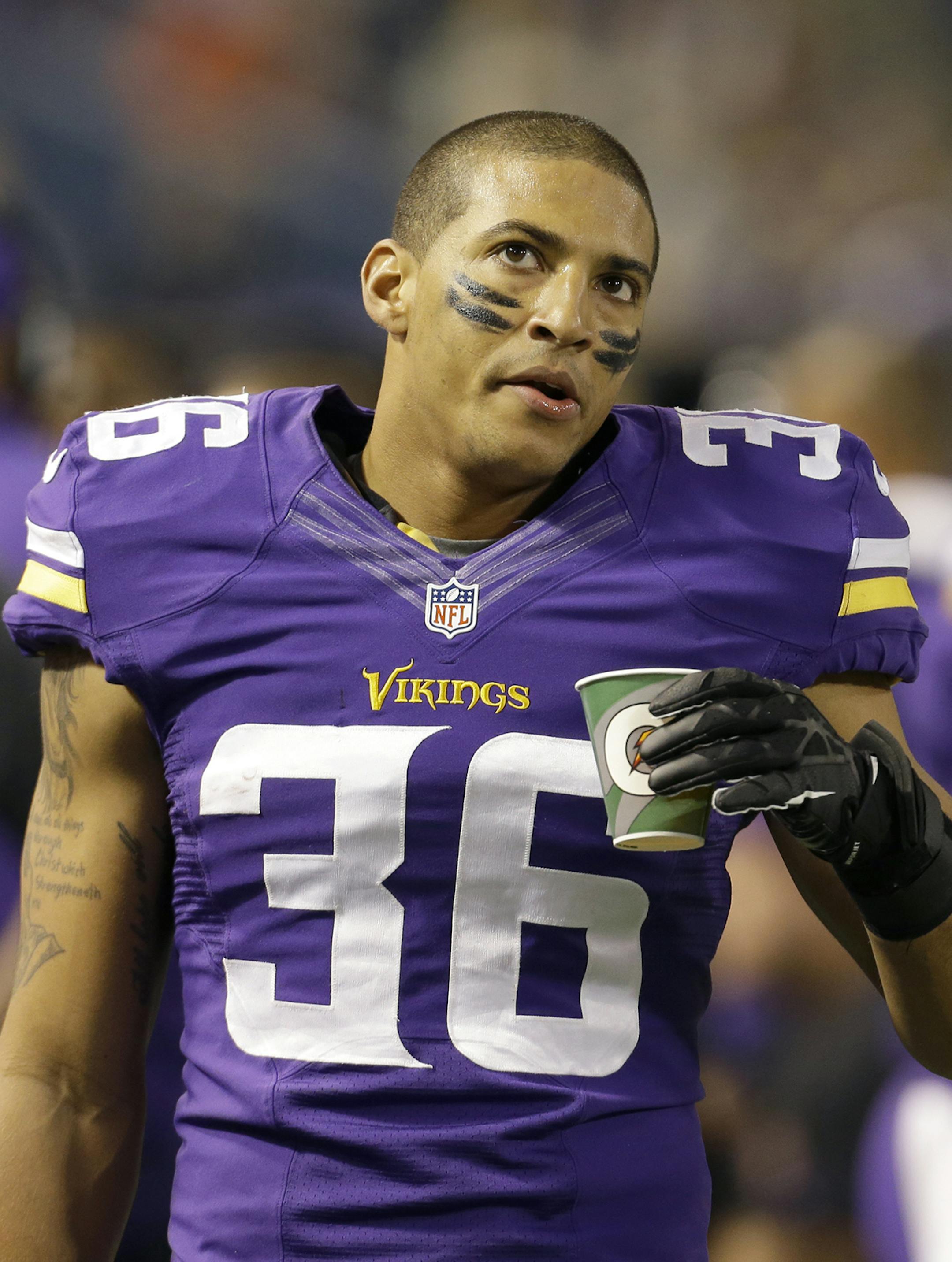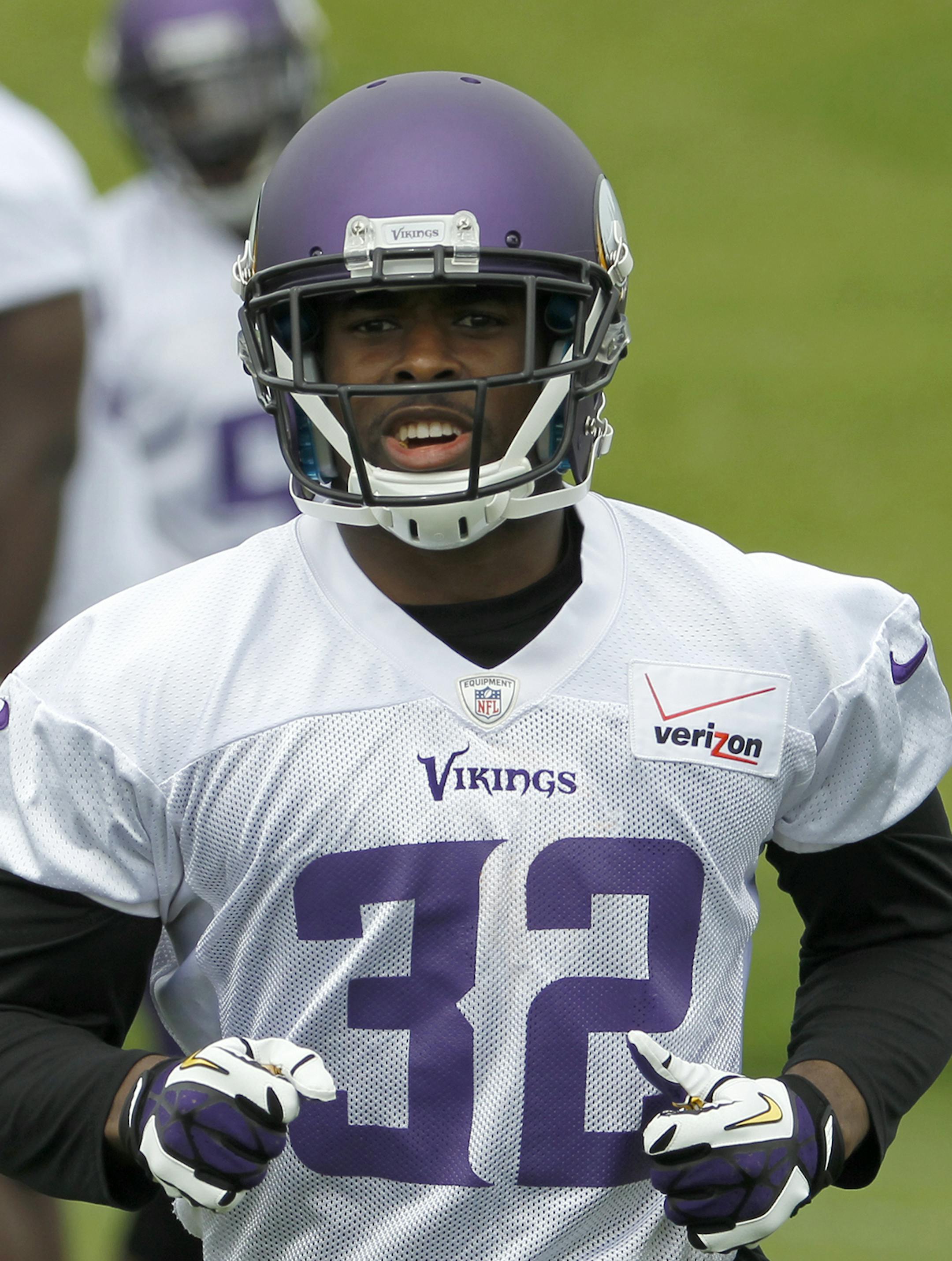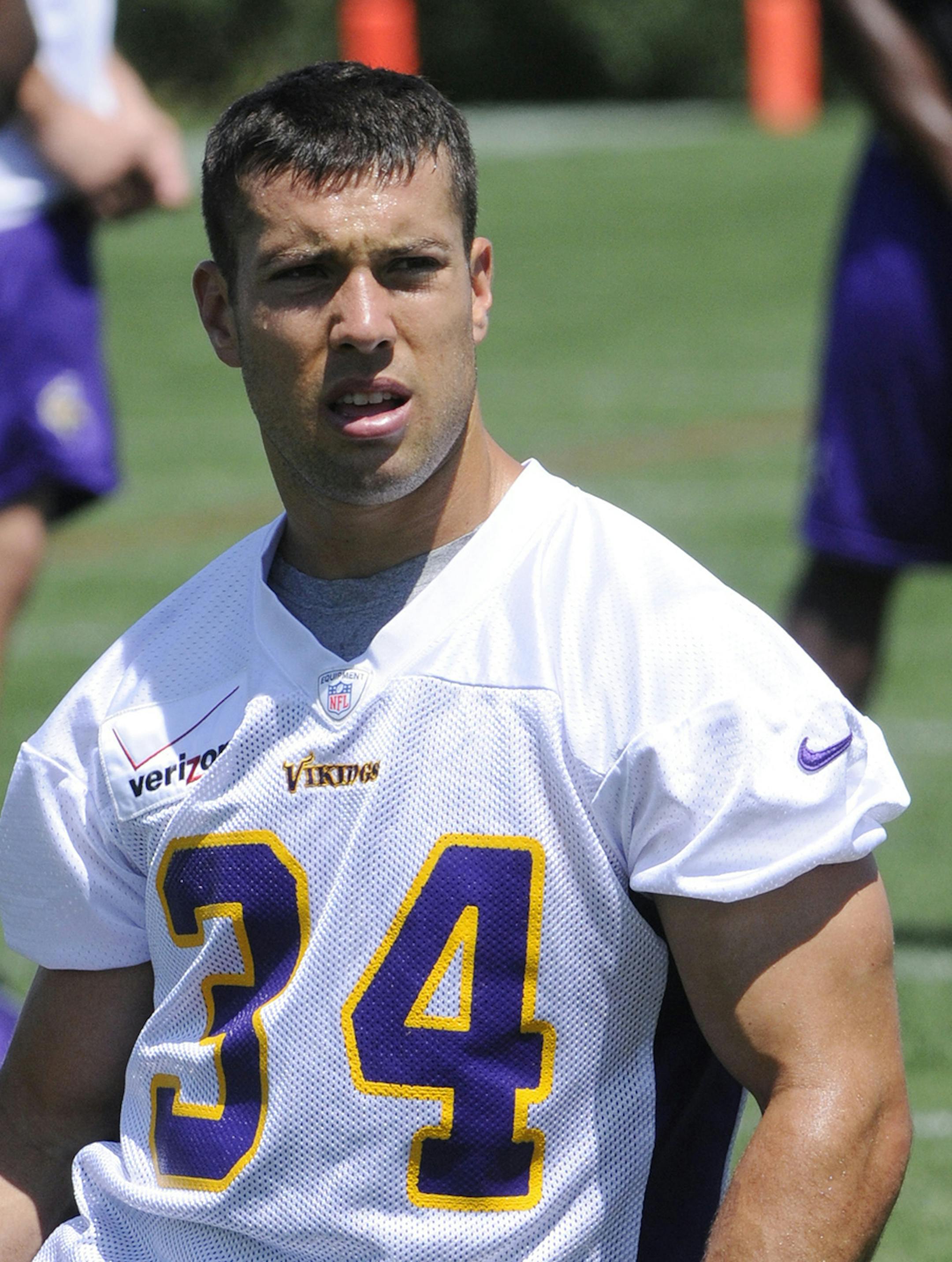
The Vikings, like many teams, will enter this weekend's NFL draft with the intention of selecting a safety, a position that now has increased job responsibilities as spread passing attacks and athletic tight ends have become commonplace at the pro level.
The problem is that the supply does not match the demand, and the style of offense played at the college level has made safety one of the toughest positions for the NFL to evaluate.
"The need in the NFL is so great at safety now because of the type of receivers we have, whether we want to call them tight ends or [wide receivers]," NFL Network analyst Charles Davis said. "[With the] rocked-up wide receivers that are running downfield, there is a screaming need for them. But the colleges aren't developing the same way due to [prevalence of spread offenses] and where guys are being played."
This year, only Alabama safety Landon Collins is considered to be a strong candidate to be selected in the first round. Beyond him, many draft analysts believe that there is a significant drop-off in ability. For example, ESPN's Scouts Inc. has only three other safeties ranked among its top 100 prospects heading into Thursday night's first round.
Why aren't there many standout safeties to choose from? To find the answer to that question, you might want to look back at the recruiting classes from 2011 and 2012.
"You'll get a kid that's a five-star [recruit] and he can play receiver and he can play safety, and just about every time colleges are putting them at receiver," said NFL Network analyst Daniel Jeremiah, a former scout who has worked for three NFL teams.
Former Cleveland Browns General Manager Phil Savage noted the same trend, saying that only powerhouse NCAA programs such as Alabama, LSU, USC and Florida State have the depth and talent to allow them to stick top recruits on defense.
"It's all about scoring points. Your biggest, fastest players are typically staying on the offensive side of the ball," said Savage, now an analyst for SiriusXM NFL Radio. "I think there's a real disparity in terms of the volume of offensive skill players vs. defensive skill players. So that being said, [NFL teams] really have to search far and wide to find top-flight corners and top-flight safeties."