
St. Paul zoning committee OKs razing of Ford plant

Company plans to start tearing down Highland Park site next year.

December 21, 2012 at 4:36AM
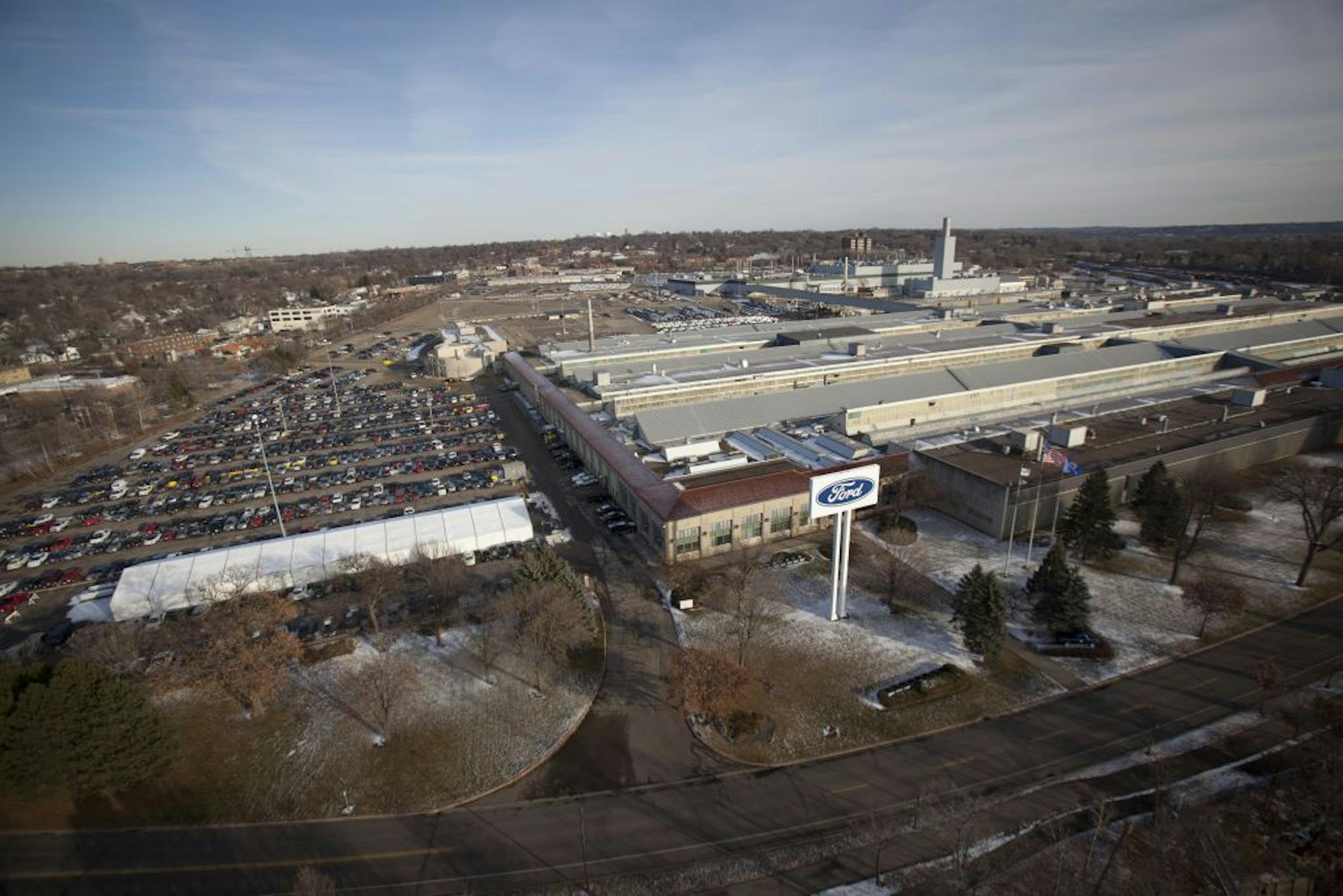
Ford's assembly plant in St. Paul
Most of the demolition of Ford’s assembly plant would be done by 2015. (Star Tribune/The Minnesota Star Tribune)

Ford Motor Co. got a green light Thursday to raze its assembly plant in St. Paul's Highland Park neighborhood.

The St. Paul Planning Commission's zoning committee voted unanimously to recommend the company's demolition plan to the full commission for final approval next week. Any appeals from the commission's decision would go to the St. Paul City Council.

The plan includes a number of conditions, including restricting work to business hours during the week, control of the noise and dust created by on-site concrete crushing, and providing a Ford representative to take questions and complaints from the public.

According to the plan laid out by Ford, the job of tearing down buildings would begin in May. It would be followed by the breaking up of floors, removal of utility lines and rail tracks, and finally grading and seeding of the site for future development.

Ford wants to prepare the site for marketing to developers. It closed the plant for good last year.

The plant includes two major structures, including the main assembly building dating from the 1920s and the paint building, as well as a training center built with state money in 1999.

Most of the work would be done by the end of 2015, although Ford asked that the timeline for finishing the removal of parking lots be pushed back until summer 2019. The company will take out a $7.5 million bond to secure the work at the start.

Ford officials warned that the unearthing of "major pollution" could slow the progress of demolition. The company has agreed to clean the 122-acre site to industrial standards, although it likely would be ultimately developed for residential and commercial use as well as light industry.

Asked how the St. Paul project compared to other plant demolitions, Ford project manager Chris Johnson called it "by far the most complex," because of its proximity to a residential community, a major river and the miles of tunnels running below ground.

The project has required six different permits, including four for building demolition alone.

"They've been quite open answering any and all questions," said St. Paul building inspector Steve Ubl.

Ford plans to run an average of 30 trucks each day -- amounting to 60 trips in all, to and from the site -- hauling rubble away down Ford Parkway. It has agreed to repair streets and sidewalks that may be damaged and clean up whatever debris might be left in the wake.

Asked if Ford might use the site's rail spur to haul away debris, John Browning said that the company is considering using trains to carry off steel for recycling.

The plan won approval Wednesday from the Capitol Region Watershed District, and last week from the Highland District Council.

Kevin Duchschere • 651-925-5035

about the writer

about the writer

Kevin Duchschere

Team Leader

Kevin Duchschere, a metro team editor, has worked in the newsroom since 1986 as a general assignment reporter and has covered St. Paul City Hall, the Minnesota Legislature and Hennepin, Ramsey, Washington and Dakota counties. He was St. Paul bureau chief in 2005-07 and Suburbs team leader in 2015-20.

See Moreicon

More from No Section

See More
FILE -- A rent deposit slot at an apartment complex in Tucker, Ga., on July 21, 2020. As an eviction crisis has seemed increasingly likely this summer, everyone in the housing market has made the same plea to Washington: Send money — lots of it — that would keep renters in their homes and landlords afloat. (Melissa Golden/The New York Times) ORG XMIT: XNYT58
Melissa Golden/The New York Times

It’s too soon to tell how much the immigration crackdown is to blame.