
More St. Paul teachers would recommend their schools

Annual survey finds improvement from 2 years ago, even as district overall faces enrollment declines.

June 26, 2017 at 3:58AM
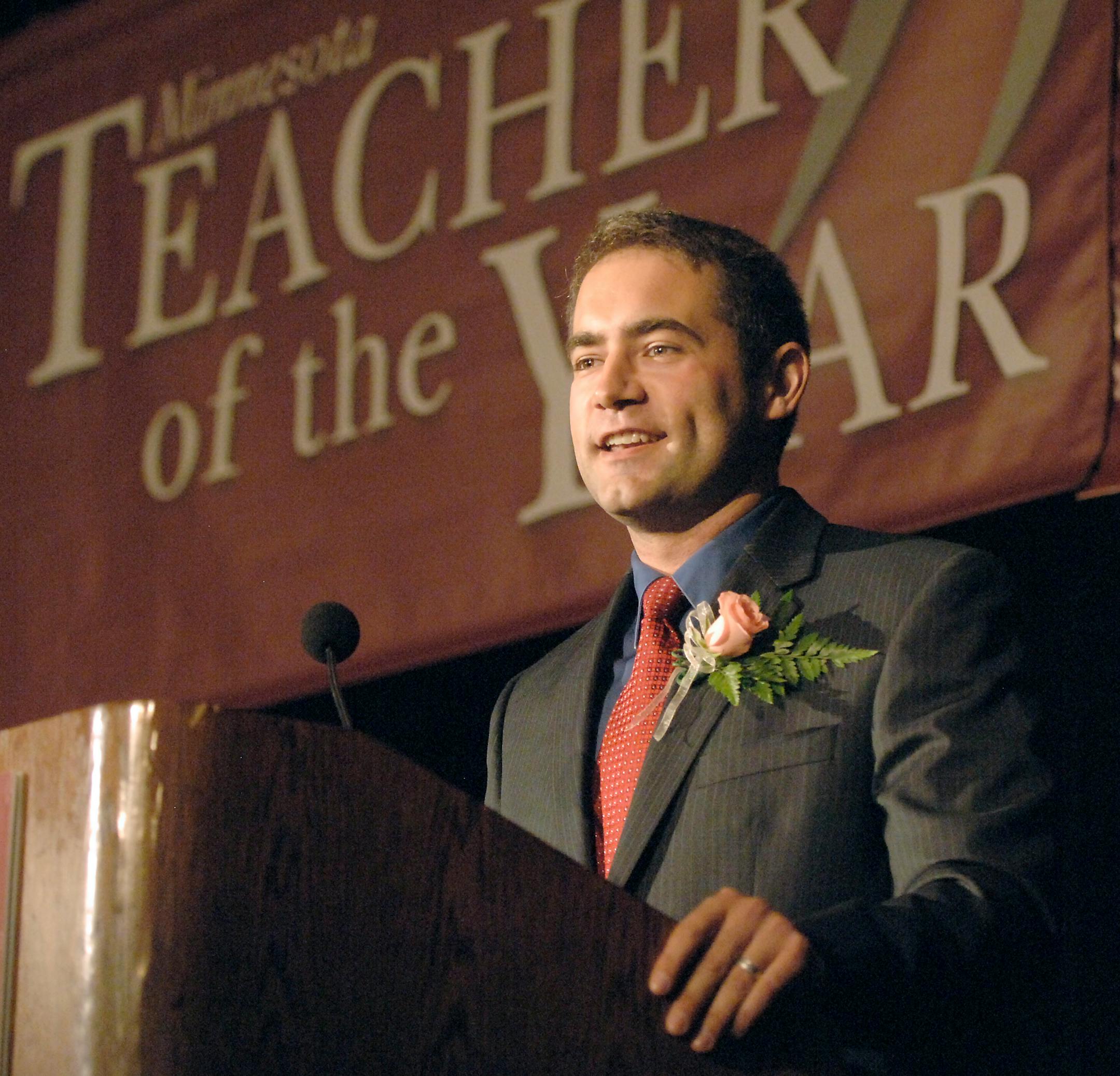
Ryan Vernosh, shown in 2010, is now the principal at Maxfield Elementary.
Ryan Vernosh, shown in 2010, is now the principal at Maxfield Elementary. (Mike Nelson — AP/The Minnesota Star Tribune)

With enrollment on the decline, the St. Paul Public Schools could use a little help spreading the good word about its offerings.

But surveys of teachers show ­varying levels of commitment to their schools.

While commitment has improved from two years ago, teachers at 15 schools still are said to have weak ties, according to a set of questions in a survey known as the 5Essentials. Survey results are analyzed by a University of Chicago nonprofit to determine how well a school is positioned to improve student performance and retain its teachers.

Results were provided by the ­district at the Star Tribune's request.

Generally, the whiter a school's student population, the more likely St. Paul teachers are to agree with the statement: "I would recommend this school to parents seeking a place for their child."

But several schools with minority populations topping 85 percent — Phalen Lake Hmong Studies Magnet, Eastern Heights Elementary and Johnson High among them — have teachers who are deemed to have a strong or very strong commitment to the school.

Here are results from a sampling of schools that have attracted media coverage in recent years, with additional information about demographics and enrollment.

Central High

Neighborhood: Summit-University

In the news: The lunchroom beating of a physical science teacher by a 16-year-old student in December 2015 led the St. Paul Federation of Teachers to threaten to strike if more wasn't done to protect teachers and staff members.

Students: 38 percent white; 35 percent black; 22 percent Asian. About one-half of students qualify for free or reduced-price lunches.

Teacher commitment: Strong

Percent unlikely to recommend school: 6 percent

Projected 2017-18 enrollment: Down by 81

Budget: Down $207,871

Galtier Community School

Neighborhood: Hamline-Midway

In the news: The school board, inspired by parent activism, voted in dramatic 4-3 fashion a year ago to turn aside a recommendation by ­former Superintendent Valeria Silva to close a school that then was losing students.

Students: 62 percent black; 13 percent white; 12 percent Asian; 12 ­percent Hispanic. About 85 percent of students qualify for free or reduced-price lunches.

Teacher commitment: ­Neutral

Percent unlikely to recommend school: 31 percent

Projected 2017-18 enrollment: Up by 24

Budget: Up $265,643

Hazel Park Preparatory Academy

Neighborhood: Greater East Side

In the news: Principal Delores Henderson, who is black and has been honored for her racial-equity work, was accused of discriminating against a white teacher in a lawsuit settled by the district last year, according to the St. Paul Pioneer Press.

Students: 45 percent black; 31 percent Asian; 17 percent Hispanic. About 85 percent of students qualify for free or reduced-price lunches.

Teacher commitment: Very weak

Percent unlikely to recommend school: 57 percent

Projected 2017-18 enrollment: Down by 87

Budget: Down $454,818

Maxfield Elementary

Neighborhood: Summit-University

In the news: Principal Ryan Vernosh, a former Minnesota Teacher of the Year, turned to Twitter this spring to invite a legislator to look over his school's budget so he could show that anything less than a 2 percent increase in the state's per-pupil funding formula was inadequate, MinnPost reported.

Students: 76 percent black; 8 percent Hispanic; 7 percent Asian; 7 percent white. About 95 percent of students ­qualify for free or reduced-price lunches.

Teacher commitment: Neutral

Percent unlikely to recommend school: 24 percent

Projected 2017-18 ­enrollment: Down by 23

Budget: Down $326,612

Ramsey Middle

Neighborhood: Macalester-Groveland

In the news: Concerns about unruly student behavior spurred a parent revolt in 2014-15, and several specialists were brought in to work with disruptive students.

Students: 44 percent black; 28 percent white; 17 percent Asian. About 65 percent of students qualify for free or reduced-price lunches.

Teacher commitment: Very weak

Percent unlikely to recommend school: 54 percent

Projected 2017-18 enrollment: Up by 10

Budget: Down $162,585

Anthony Lonetree • 612-673-4109

about the writer

about the writer

Anthony Lonetree

Reporter

Anthony Lonetree has been covering St. Paul Public Schools and general K-12 issues for the Star Tribune since 2012-13. He began work in the paper's St. Paul bureau in 1987 and was the City Hall reporter for five years before moving to various education, public safety and suburban beats.

See Moreicon

More from No Section

See More
FILE -- A rent deposit slot at an apartment complex in Tucker, Ga., on July 21, 2020. As an eviction crisis has seemed increasingly likely this summer, everyone in the housing market has made the same plea to Washington: Send money — lots of it — that would keep renters in their homes and landlords afloat. (Melissa Golden/The New York Times) ORG XMIT: XNYT58
Melissa Golden/The New York Times

It’s too soon to tell how much the immigration crackdown is to blame.