

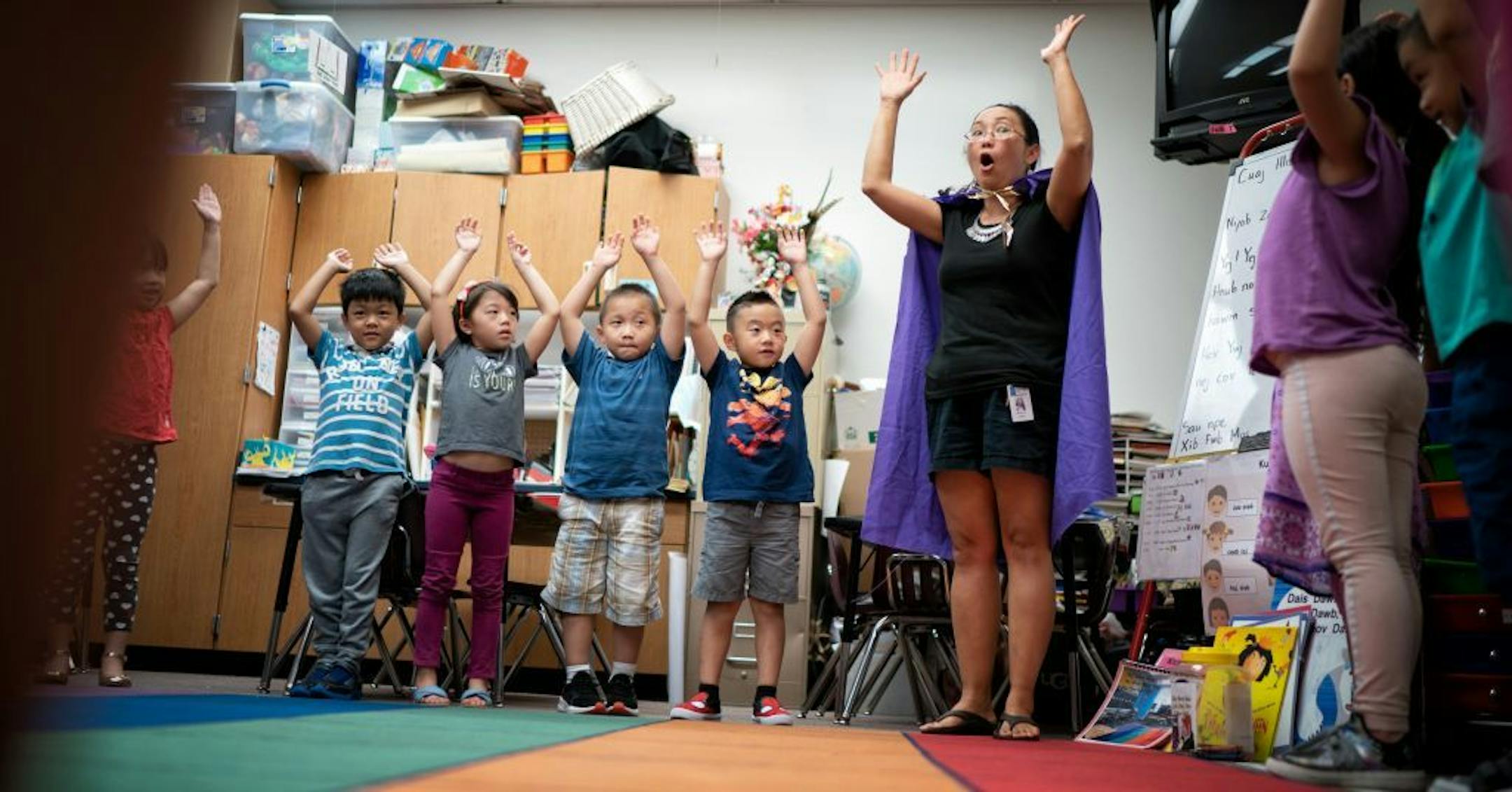
As the St. Paul School District makes its case this fall for an $18.6 million a year increase in voter-approved funding, advocates and former students within the Asian-American community are asking pointedly: What's in it for us?
Asian students are being neglected, they argue, even though they represent the district's largest demographic group, at 32 percent.
Similar concerns have been aired previously in recent years, but nowhere near as aggressively as in the past few months, as community members have flooded school board public-comment sessions with signs that state, "#SEAsians Invisible No More!!" and "We Cannot Invest In Schools That Ignore Us."
The Coalition of Asian-American Leaders is helping to organize the protests, and demands that the district make the community a priority in its funding decisions. Among its recommendations: the district hire more minority teachers, counselors, social workers and administrators, and that it embed Asian-American history up to modern times in its curriculum for grades K-12.
Cameron Yang, who attended Harding Senior High School and received a teaching degree this year from Augsburg University in Minneapolis, felt shortchanged by the district while at Harding, saying, "I wished that I could have had the opportunity to learn more about my Hmong heritage, language, histories, culture and traditions."
But the coalition is promoting proposed improvements at a time when the state's second-largest district speaks more generally of the desire to stem a recent run of budget cuts and invest in a new strategic plan that has yet to be fully developed.
The district has been in rough shape financially, as evidenced by numbers Superintendent Joe Gothard shared at a levy information session last week:
• A $618 per student funding gap between what the state provides per student in St. Paul and what it could have allocated had it kept up with inflation — a total of $21.6 million in 2018-19.


