The wish-list answers sound so familiar: more affordable housing and bike paths; cleaner air, smaller class sizes, better child care and a desire for everyone to buy local.
But these weren't responses to some recent survey. In 1899, the St. Paul Globe asked readers: "If St. Paul were all your own and you had $50,000,000 with which to build it into what you would regard as an ideal American city, how would you expend the money?"
Short answer: The more things change, the more the issues stay the same 120 years later.
The newspaper printed 17 responses and hoped "that this great city, located on hill and in valley, at the head of navigation of the Mississippi, will in the next twenty-five years get all the good things wished for it. …"
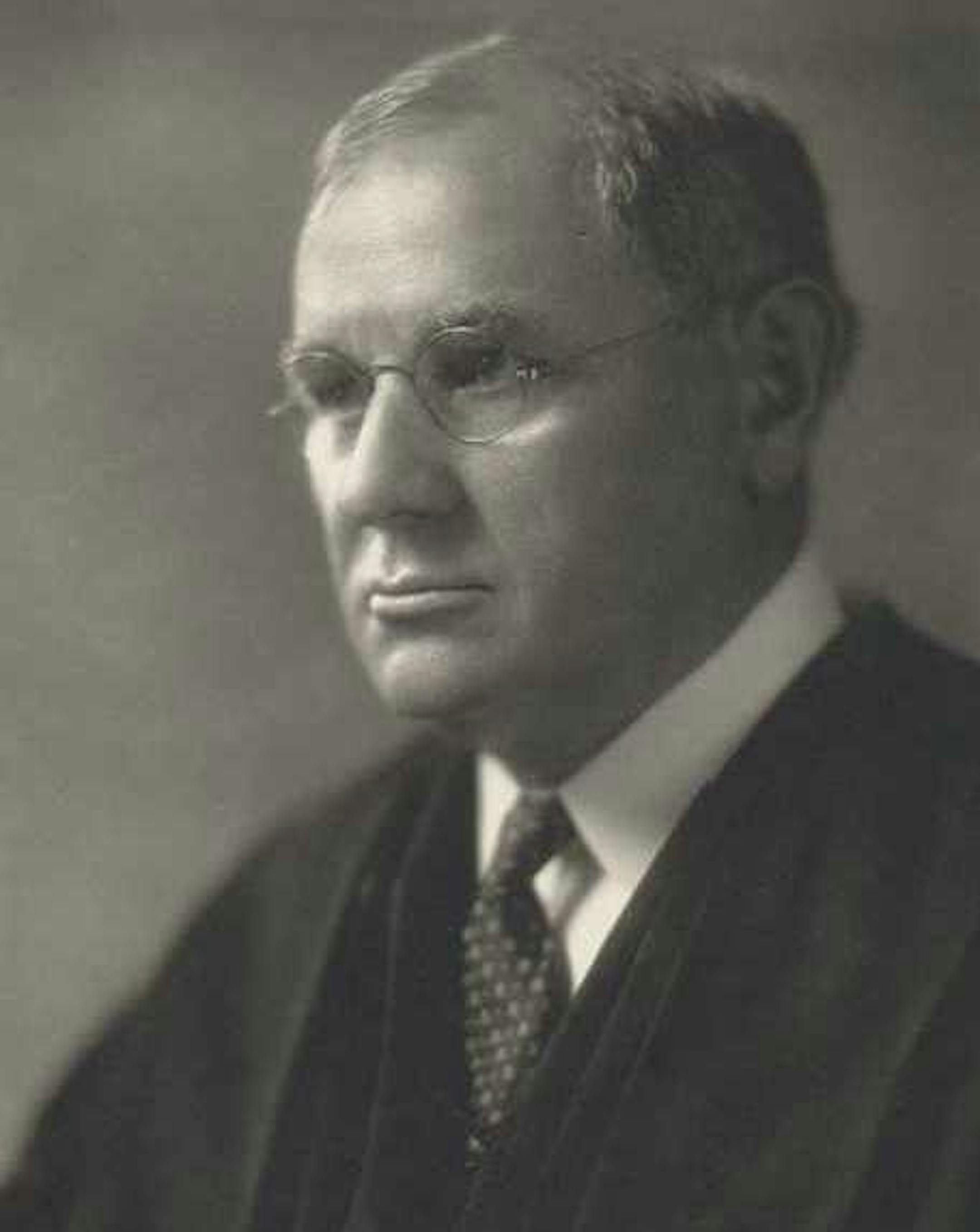
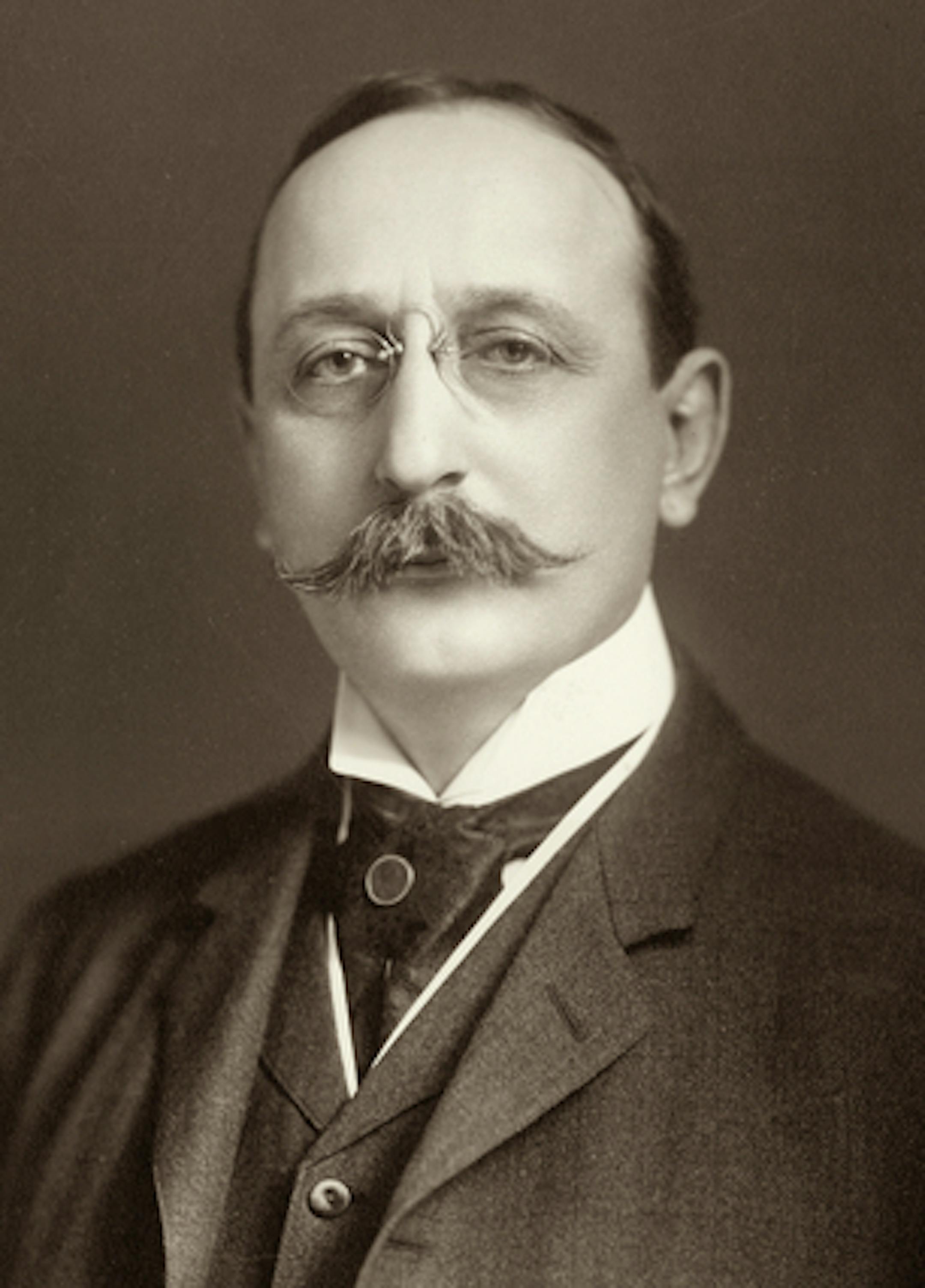
Answers came from St. Paul's A-list, including Pierce Butler, railroad baron James J. Hill's lawyer at the time who would become the first Minnesotan on the U.S. Supreme Court. When Butler died in 1939 during his 17th year on the bench, his robe hung in the current U.S. Supreme Court building (designed by St. Paul architect Cass Gilbert). Butler's 1899 answer to the $50 million question led the Globe's coverage over two full, gray pages.
Echoing many of his fellow respondents, Butler favored publicly owned telephone, street railway, gas and electric plants. He called for higher teacher pay, a well-financed library, a string of parks from Lake Phalen to Como Park and, "there might be less politics and better public service."
Wishful thinking. A political storm battered Butler's confirmation 23 years later.
You'd think Cass Gilbert's 1899 letter would be upbeat. After all, his architecture career was blasting off nationally. He'd landed the State Capitol commission four years earlier and, in 1899, secured the job to design the U.S. Custom House in New York City.