

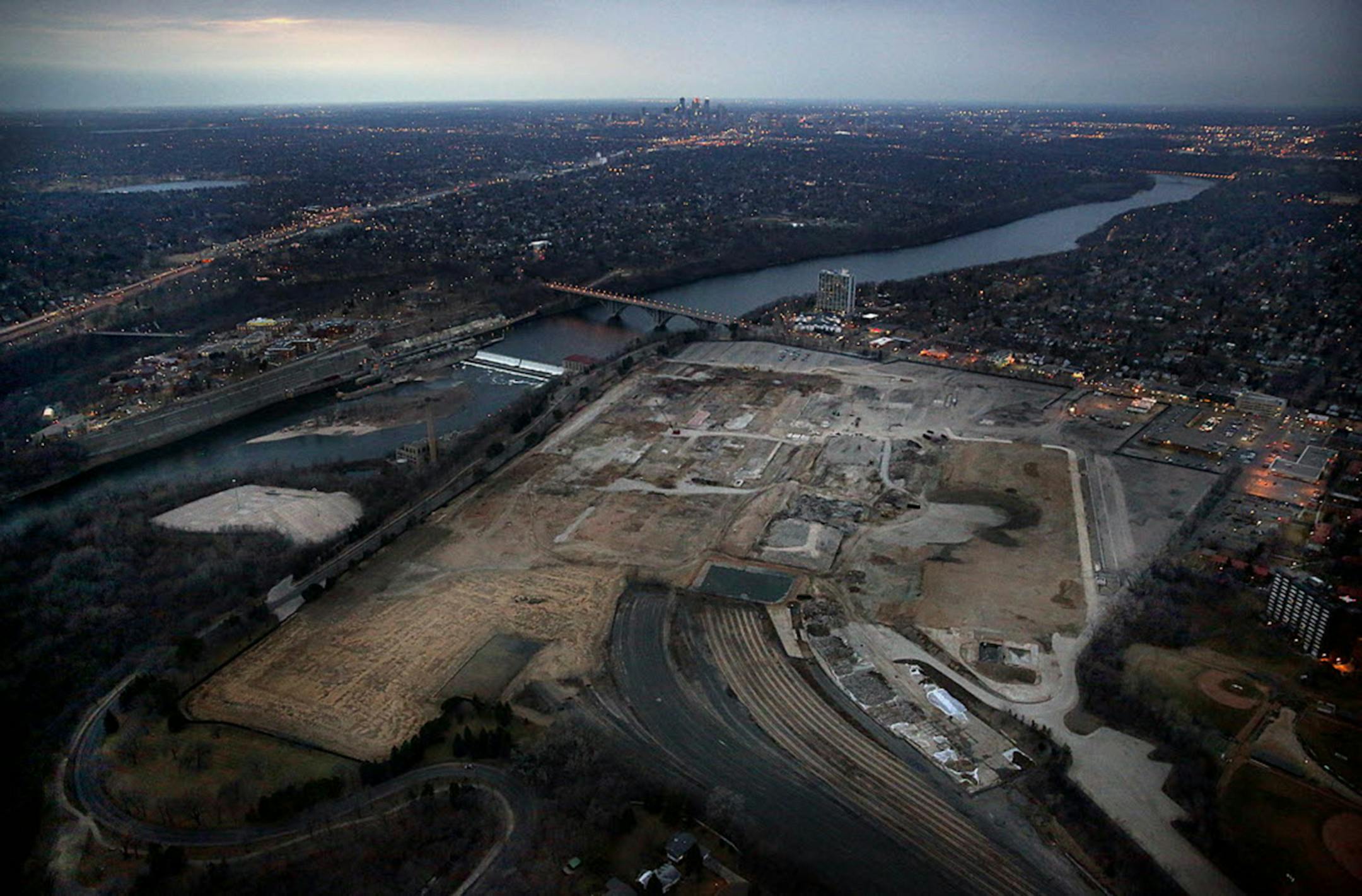
In the days after St. Paul leaders approved a Ford site rezoning plan in one of the most contentious votes in recent memory, supporters and opponents can agree on one thing: This is just the beginning.
"This is not the end of the journey," Mayor Chris Coleman said as he signed the zoning and public realm ordinance, which provides a framework for buildings, roads and parkland. The full picture of what the site will become won't be clear until a developer buys the land and submits a master plan.
"There will be lots more conversations as the Ford site goes out for sale, as a developer comes in, as we continue to work with the community," Coleman said.
Some residents want conversations to restart soon — and would prefer the city to stay out of them.
The city's rezoning allows a developer to build housing for 4,320 to 7,200 people. People remain concerned about traffic, as well as pollution and taxpayer costs, said Erich Mische, a member of the opposition group Neighbors for a Livable St. Paul. He wants a third party to lead a community conversation to address those concerns.
"How do we make sure this project, before anything moves forward on it, is significantly modified in order to achieve the support of the neighborhood?" Mische said.
The group also has taken issue with the city's transparency during the planning process. It hired attorney Fritz Knaak, who said the group is carefully monitoring its options.
For weeks, red and green yard signs have staked out where Highland Park neighbors stand on the plan. The green "SAY YES" sign that Sam Wils stuck outside his townhouse, across the street from the ballfields on the Ford site, remained in place the day after the vote. Wils paused his gardening Thursday to look over at the site, where he said multistory development would grow the tax base and result in the city using less tax-increment financing.


