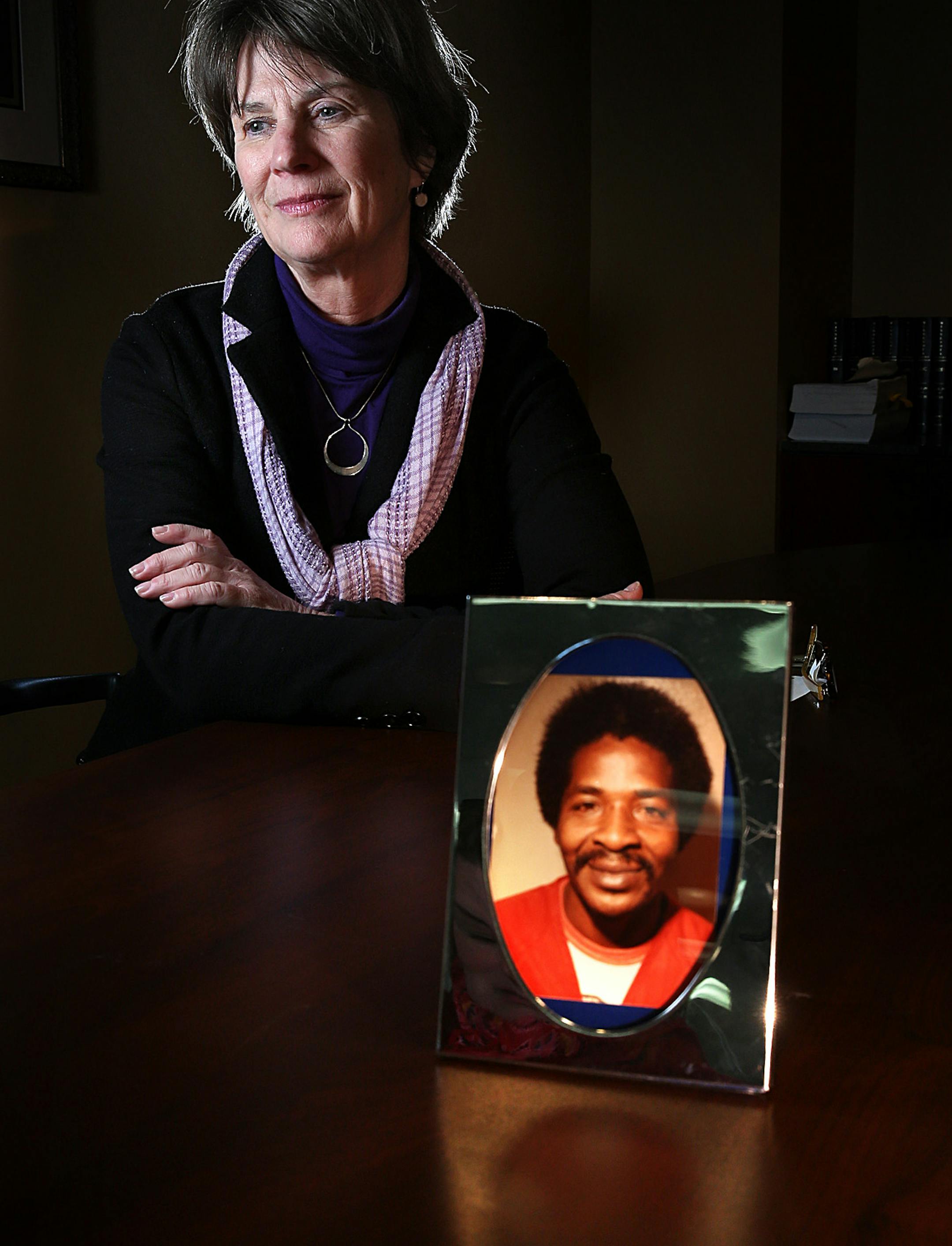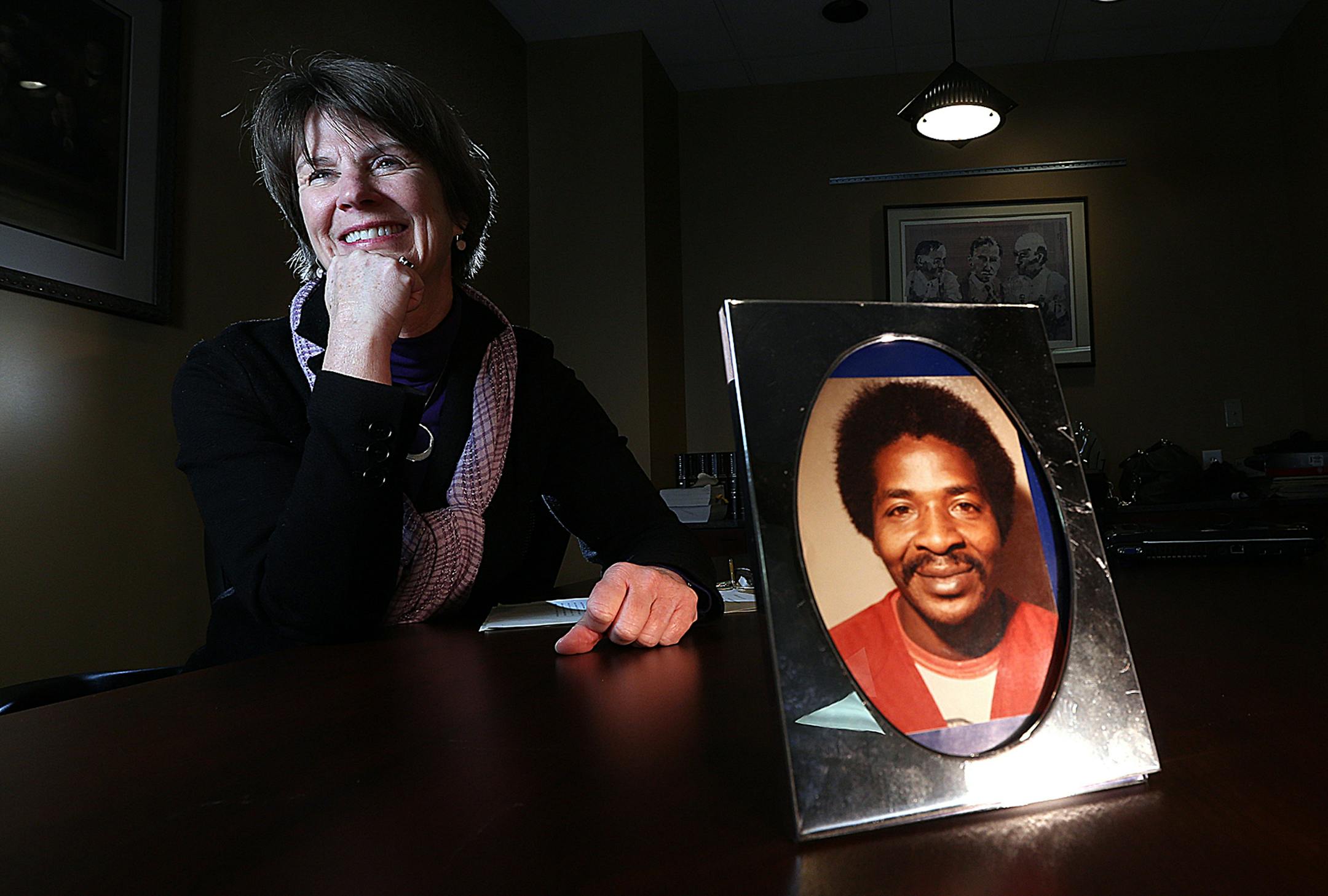
For years, when she'd walk into her downtown St. Paul office, criminal defense lawyer Deborah Ellis would see a photo of Louisiana death row inmate Glenn Ford perched at eye level on the reception desk.
It was "a reminder to fight the good fight," she said.
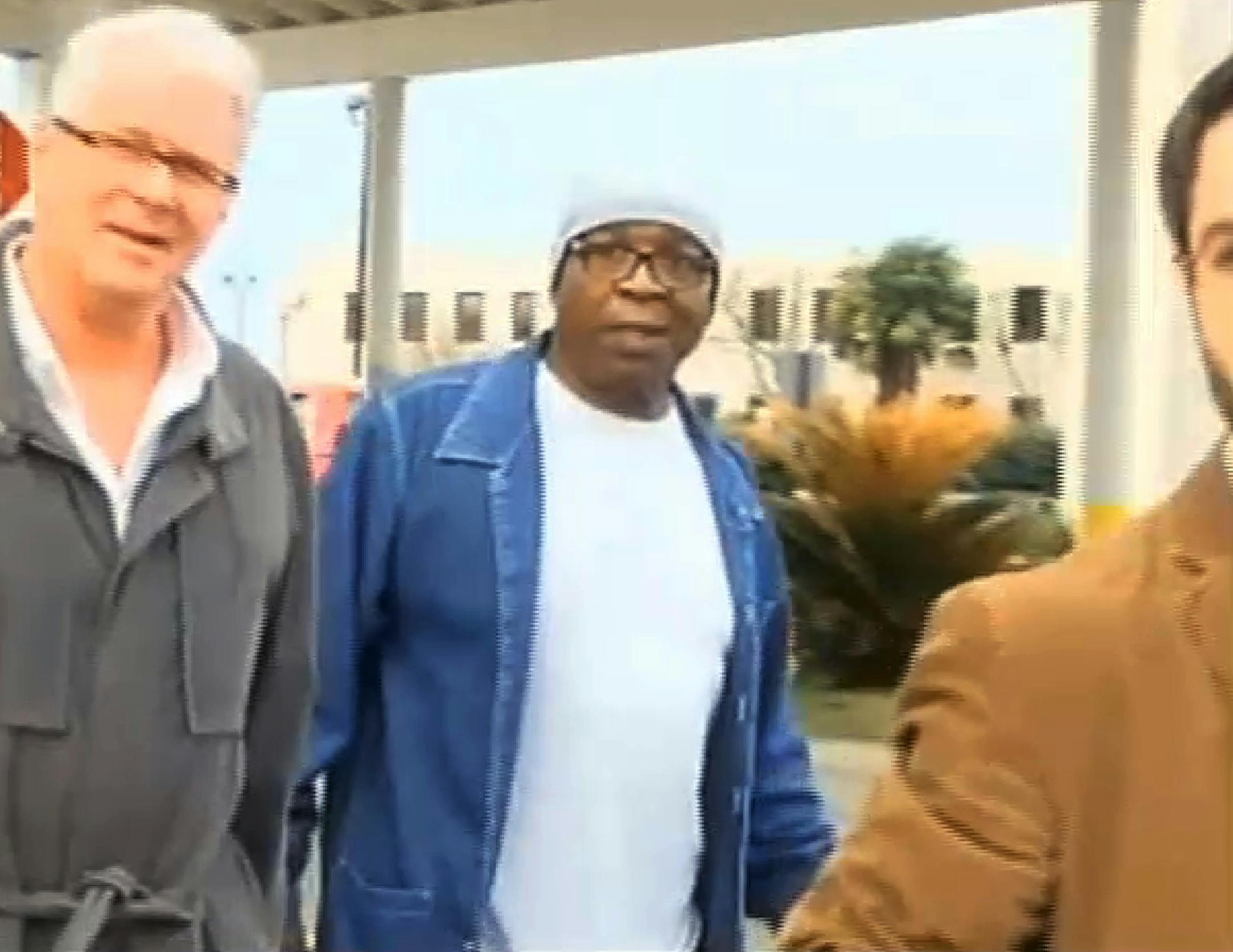
On Tuesday night, Ellis watched on television as Ford, 64, walked out of Louisiana State Prison in Angola. He was one of the longest-serving death row inmates in U.S. history to be exonerated and released. "I've been crying ever since," Ellis said.
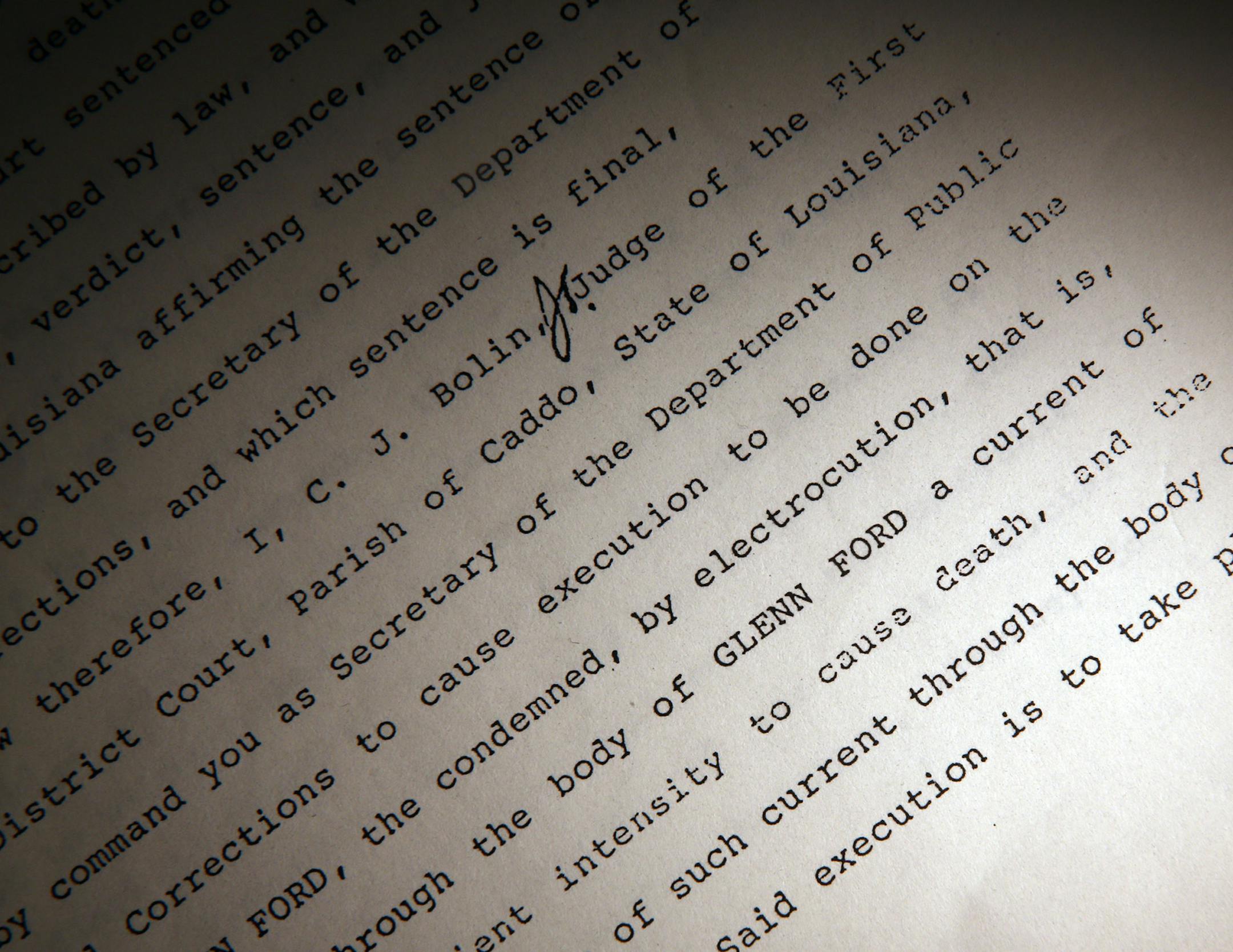
The rare and dramatic moment came hours after a judge granted the state's request to vacate Ford's murder conviction. And it came after three decades of exhausting, discouraging work and failed legal appeals by Ellis and other attorneys, including several from Minnesota. In 1984, Ford, who is black, was convicted of first-degree murder by an all-white jury in the November 1983 killing of Isadore Rozeman in his jewelry store-home in Shreveport, La.
Refusing to plead guilty
Ford, who lived near Rozeman and did jobs for him such as raking leaves, was convicted on questionable forensics and the testimony of witnesses who claimed to have seen him in the area on the day of the murder. Ford said he was innocent.
The two trial lawyers who represented Ford had no criminal legal experience and were paid a total of $750. They weren't given police reports with evidence favorable to Ford.
Early appeals failed. The case even went to the U.S. Supreme Court on the argument that prosecutors had unfairly dismissed the only three black jury candidates without good reason.
In the late 1980s, Ellis and Neal Walker of the Louisiana Capital Assistance Center stepped in, raising 60 concerns about the conviction. The Capital Post Conviction Project of Louisiana also joined the fight.