

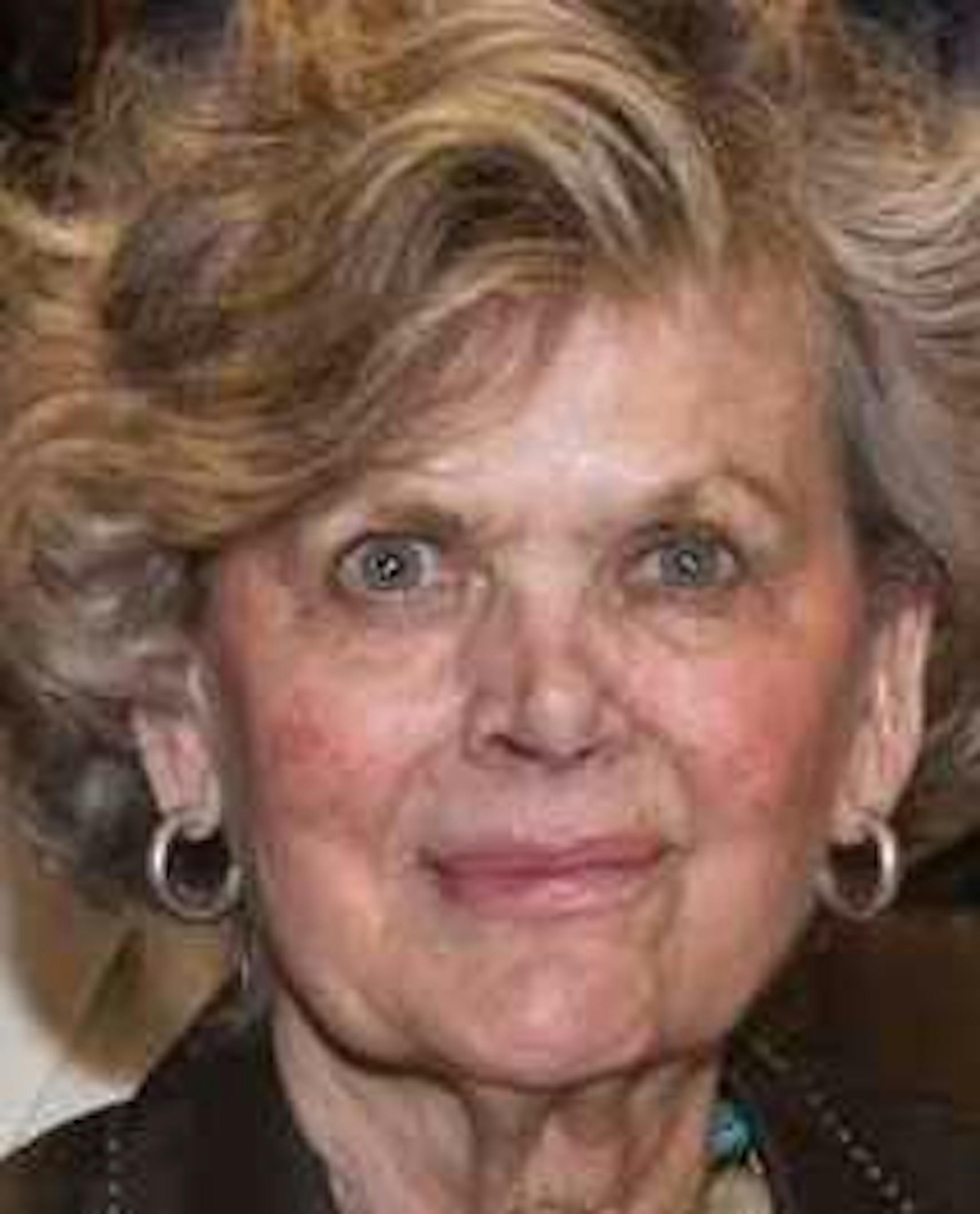
In 1956 Marlene Kayser was a senior in high school when she joined her first Democratic political campaign — the second presidential run of Adlai Stevenson, who lost in a landslide to Republican Dwight D. Eisenhower.
She was devastated as only an idealistic teenager could be, she told friends throughout her life.
"But then I got used to it," she always added.
Kayser, one of Minnesota's most powerful forces for human rights and the Democratic candidates who supported them, died Oct. 5, six days short of her 80th birthday.
She was born in 1938 in Albert Lea, the daughter of a bricklayer. She and her two brothers grew up poor, though they never knew it because their parents were always giving things to people who had less than they did, said Carol Kayser, her daughter.
After high school she moved to Chicago and got job as a reservationist with an airline, said Carol Kayser. College wasn't an option — her parents couldn't afford it.
She met her husband, Tom Kayser, on a blind date, and they moved to San Antonio, Texas, where he served in the military. There, Marlene Kayser saw a side of the country she'd never witnessed before — overt racism. At the time, it was against the law in Texas to eat in public with African-Americans, Carol Kayser said. Children of different races could play together on the base, but not off it.
It strengthened her commitment to social change, starting with the integrated dinner parties she held in Texas, and leading to the biracial son, David, she and her husband later adopted. In addition to Carol, the couple had a third child, Tom Jr.


