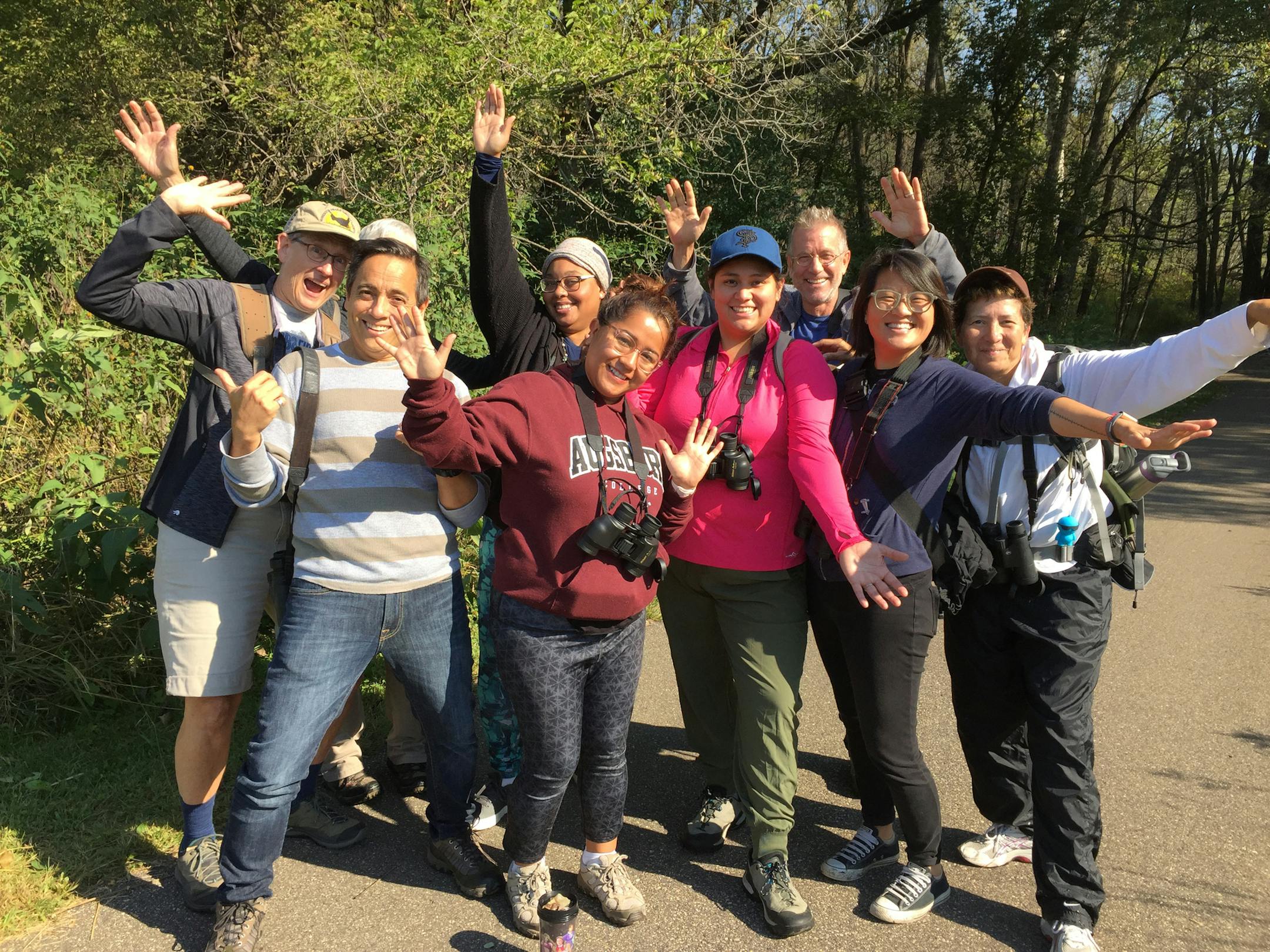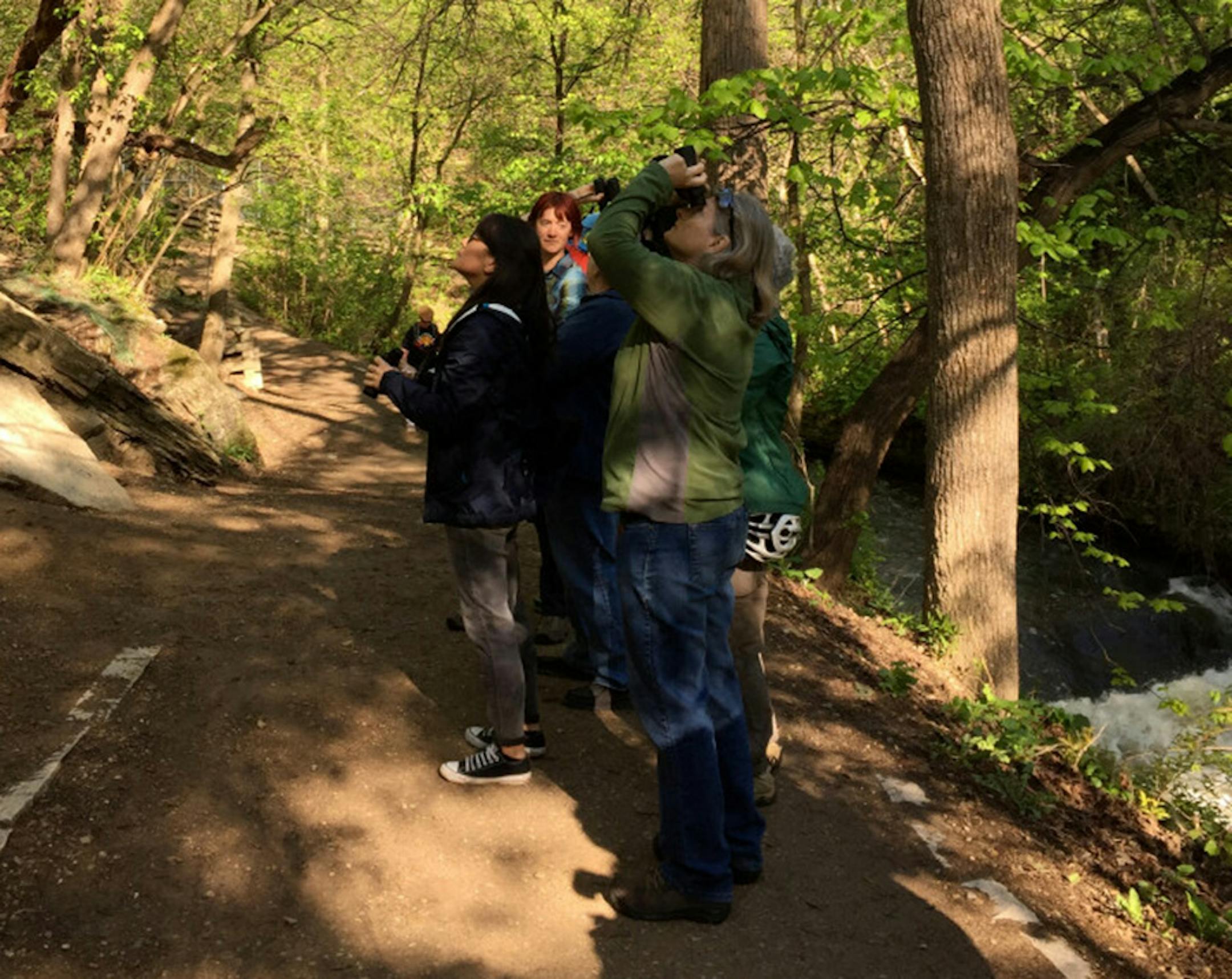
As a woman bird-watcher, I've occasionally found myself in places where I didn't feel comfortable when out birding alone. It might be because the spot is remote and no one's around, or it could be that too many people are sharing the space.
But I've come to realize that people of color feel this way nearly all the time when they're out in nature. A park or natural area that to me is an escape from everyday stresses can feel unsafe, even threatening, to a Black, brown or LGBTQ person.
These kinds of concerns were amplified recently by a now-famous video, showing an encounter between a white woman walking her dog in New York's Central Park and a Black bird-watcher. She called the police to falsely claim that an African American man was threatening her, essentially "weaponizing" his skin color. In a horrific coincidence, this occurred on the very same day in May that George Floyd was killed by police in Minneapolis.
These events have led to intense discussions in the birding community, focusing on how to make the outdoors more welcoming and safer for other-than-white people.
Because, let's face it, bird-watching has been a predominantly white activity, and organizations dedicated to birds and nature are also overwhelmingly white. Nature and outdoors organizations have bemoaned the lack of diversity in their membership for a very long time, but not much has happened to move the needle on this issue.
'No go' places
But maybe the moment has arrived to start really working for change, so people of color see other people who look like them doing what they like to do.
Black and other communities are now speaking up about their reality of being outdoors. The issues emerged pointedly in a recent series of podcasts featuring some of the young scientists and bird-watchers who created Black Birders Week in June in the wake of the Central Park incident and George Floyd's death.
Christian Cooper was the Black Central Park birder who encountered the toxic dog walker. During the podcast he noted, "There are so many places where we are vulnerable and perhaps feel unwelcome. There are so many swaths of this country where I won't go, as a Black, gay man."