
St. Paul foundry accused of pollution files second lawsuit against Minnesota regulators

The legal fight between Northern Iron and the Minnesota Pollution Control Agency continues, as the company files a new lawsuit and seeks to depose an assistant attorney general.

Sahan Journal
July 26, 2025 at 7:00PM
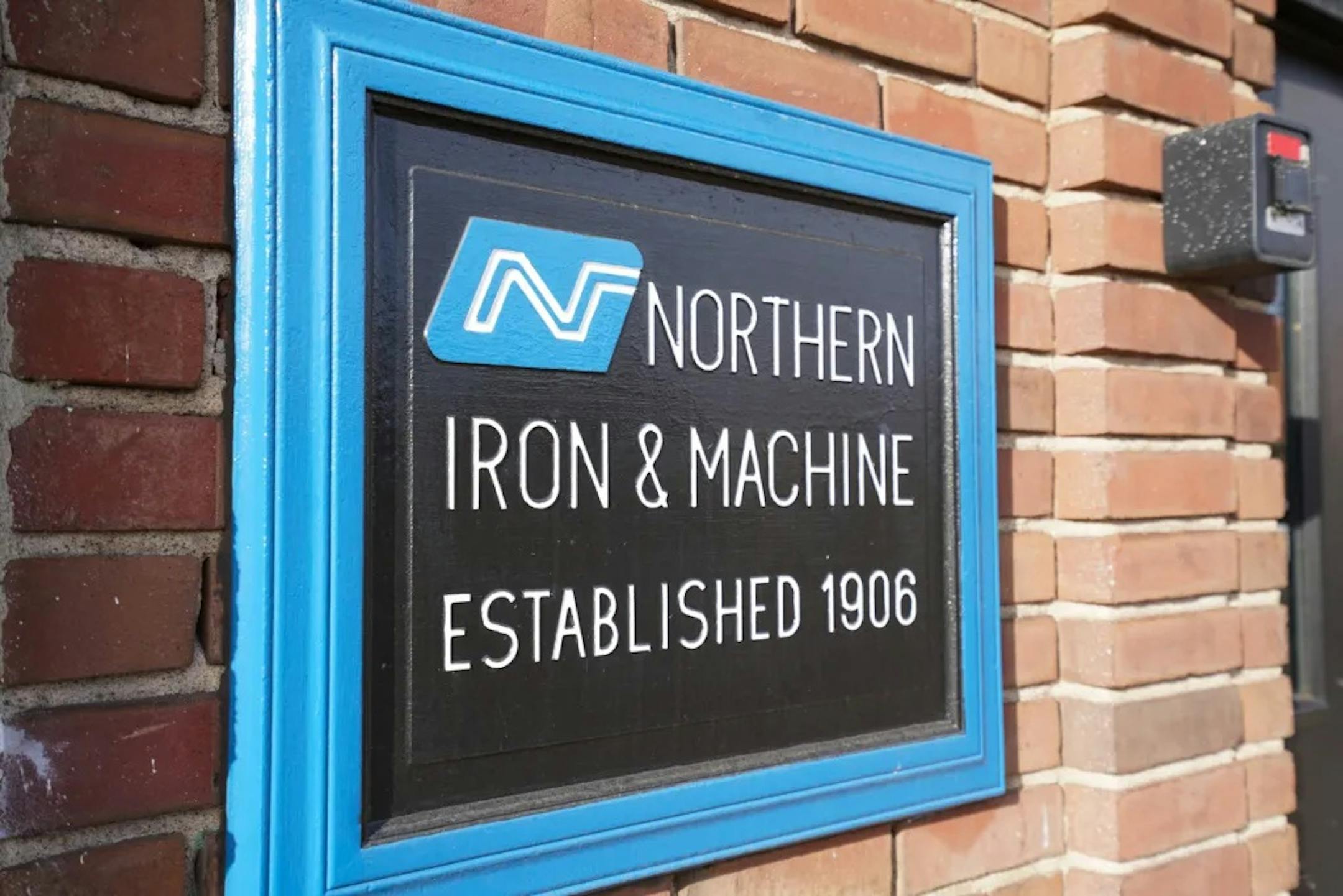
St. Paul metal foundry Northern Iron was fined $41,500 for failing to properly report changes to its pollution mitigation equipment. (Dymanh Chhoun, Sahan Journal)

A St. Paul metal foundry filed a new lawsuit against the state’s pollution control agency as it faces the possibility of losing its operating permit, expanding a long and bitter legal battle.

Northern Iron filed a second lawsuit Tuesday against the Minnesota Pollution Control Agency (MPCA), court records show. The foundry, off Phalen Boulevard on St. Paul’s East Side, first sued the MPCA in May 2024 after the agency ordered it to reduce operations over excessive smog and lead pollution.

The latest lawsuit accuses the MPCA of defamation, violating the state’s data practices law and violating a 2023 agreement between the company and agency by attempting to limit its operations and revoke its permit. The 2024 suit also alleged a violation of the 2023 agreement.

The company is seeking damages in excess of $75,000. An initial hearing in the case has not been set. The case will be heard by Ramsey County District Judge Leonardo Castro, who is also presiding over the 2024 lawsuit.

The MPCA moved in June to launch a permit revocation process against Northern Iron, which would end the foundry’s ability to operate. State officials cited the company’s refusal to meet permitting deadlines and its continued submission of incomplete information to regulators as reasons for the potential revocation. Northern Iron is contesting the revocation, a rare process in Minnesota, and the parties will present their cases to an administrative law judge.

The legal battle between Northern Iron and the MPCA started with a 2023 agreement when the state fined the foundry $41,500 for failing to report several changes to pollution control equipment. The MPCA’s subsequent order and lawsuit by Northern Iron opposing that order prompted unusual legal maneuvering, including the foundry’s attempt to subpoena an assistant attorney general representing the MPCA.

The legal troubles also include a class-action lawsuit filed against Northern Iron by Brittney Bruce, a mother who lives near the foundry. Bruce alleges that Northern Iron’s pollution is imposing on her family’s health and ability to enjoy their property.

The class-action suit is moving forward after Northern Iron unsuccessfully tried to have it dismissed on jurisdictional grounds.

Northern Iron’s latest lawsuit is in part based on a July 10 hearing for the class action lawsuit where its attorneys attempted to subpoena an assistant attorney general representing the MPCA.

Roxy Gonzalez, a Dorsey & Whitney attorney representing Northern Iron, argued that the company should be able to depose Assistant Attorney General Ryan Petty to obtain the source of information he included in a Feb. 10 letter submitted in court. The letter said that the MPCA had collected samples from homes near the foundry after neighbors complained about soot, and had determined that the soot likely came from Northern Iron. The letter is cited in the class action lawsuit against Northern Iron.

Castro quashed the motion from the bench.

“You have to admit that it is unusual to have someone subpoena a lawyer to have them say what their client told them,” Castro said.

Gonzalez agreed, but said that the company deserved to know the source of Petty’s information.

“You have to agree that there must be other ways to obtain this information?” Castro said.

Assistant Attorney General Oliver Larson said at the July hearing that he had never seen an attempt to subpoena an attorney, and told Castro he couldn’t find an example of it happening in Minnesota.

“I think, frankly, Northern Iron is playing possum here,” Larson said.

Castro said that if the class action lawsuit didn’t ultimately provide evidence to support its allegations, the class action case would be unlikely to succeed. He cautioned Northern Iron’s legal team about the subpoena.

“I just want to make clear… that we be careful of how we proceed with motions like this,” Castro said.

Requesting to subpoena a lawyer is unusual because of attorney-client privilege, said legal experts who are not involved in the case.

“An assistant attorney general would be limited in what they could say based on their ethical duties to their client,” said Mehmet Konar-Steenberg, an environmental attorney and professor at the Mitchell Hamline School of Law.

There is a clear mechanism through the state data practices act for parties to request information from the government, Konar-Steenberg said.

Joseph Daly, emeritus professor at Mitchell Hamline, said that deposing a lawyer in a separate but closely related case would still trigger attorney-client privilege. Seeking to subpoena a lawyer is strange, he said.

Northern Iron’s lawsuit filed Tuesday accuses the MPCA of violating the state’s data practices act by including information about the soot samples in its Feb. 10 letter.

At the July 10 hearing about the subpoena request, Castro asked Larson if data about the soot was public data. Larson said the information was likely considered “civil classified data,” which is often considered nonpublic during an investigation. He added that a data practices act request would need to be filed.

About the partnership

This story comes to you from Sahan Journal, a nonprofit newsroom dedicated to covering Minnesota’s immigrants and communities of color. Sign up for a free newsletter to receive Sahan’s stories in your inbox.

about the writer

about the writer

Andrew Hazzard

More from St. Paul

See More
card image
Eleanor Hildebrandt/The Minnesota Star Tribune

A man reportedly was shot in the leg when he pulled a handgun near Highway 52.

card image
.