![Piles of dead bees in St. Paul. ] KEVIN DUCHSCHERE/STAR TRIBUNE](https://arc.stimg.co/startribunemedia/JFY72RCUF5NMQILBP7DYF6EEIA.jpg?&w=1080)
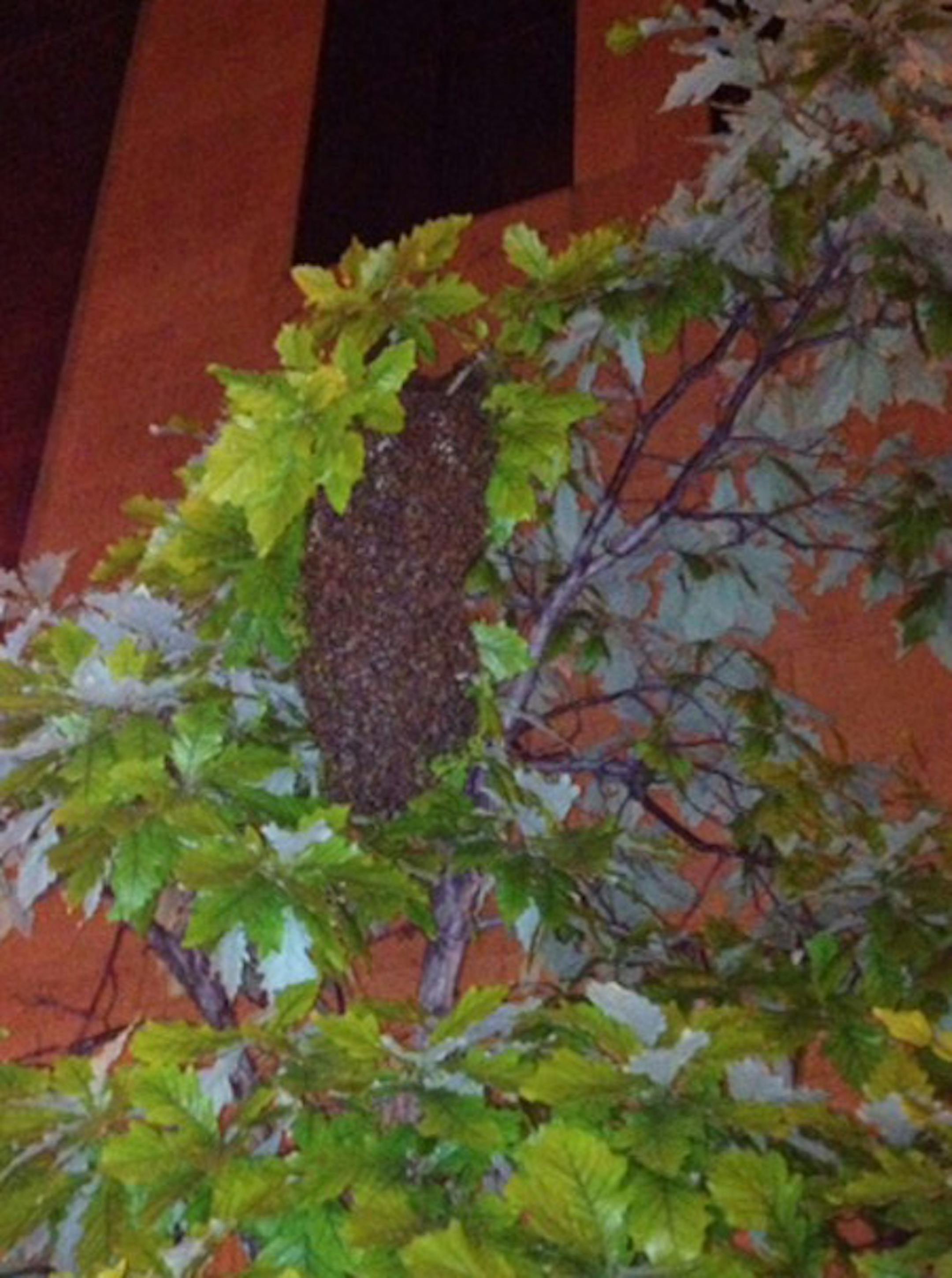
The mystery of what killed thousands of honeybees bivouacked in two oak trees in downtown St. Paul was solved Wednesday, when an official said that fire crews had sprayed the bees with fire retardant foam in response to a police call for help.
"During the day we might have called animal control or other resources, but it was just a few minutes before midnight on a Sunday night," St. Paul Fire Marshal Steve Zaccard said. "We were trying in good faith to avoid injuries or panic."
He added: "I've never heard of this before, and I've been here 28 years."
The foam caused the bees to drop dead to the sidewalk below the trees, creating dark-colored mounds that one pedestrian the next morning likened to "small snowdrifts."
Given a recent national decline in honeybee populations associated with insecticides, pesticide investigators with the state Department of Agriculture went to the scene Monday to retrieve samples of the bees, tree soil and vegetation for clues on what happened.
They discontinued their work when learning that the bees were killed with water spray.
It was a bittersweet resolution for Marla Spivak, a University of Minnesota entomologist who feared that insecticides had been used. At least 25,000 bumblebees in linden trees near Portland, Ore., were killed last month by a pesticide used to control aphids.
Using foam on bees is "what fire departments have been instructed to do nationwide," Spivak said. "If you've got a bee problem, it's a good way and a fast way to get rid of it. It's a much better way to do things than insecticide."