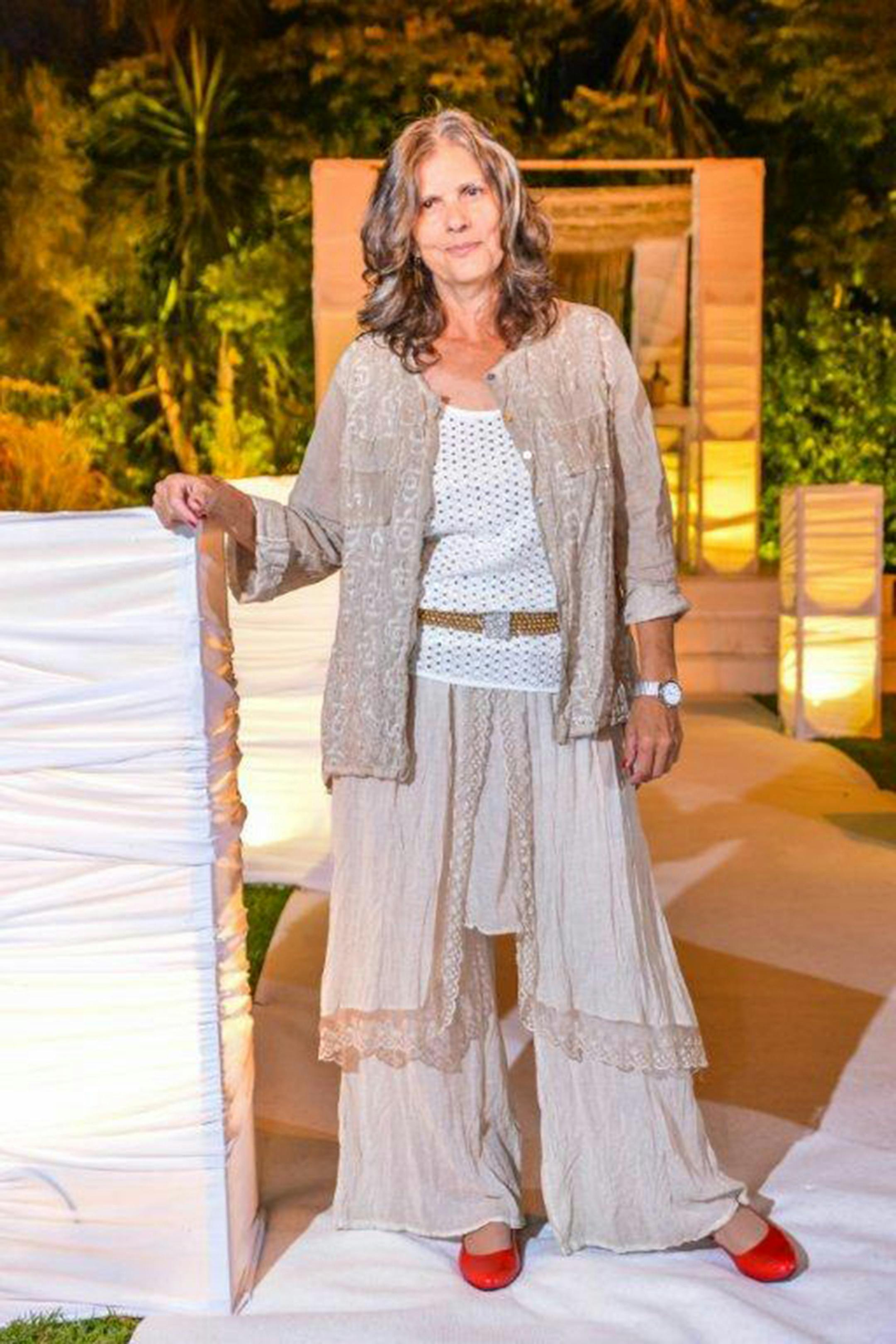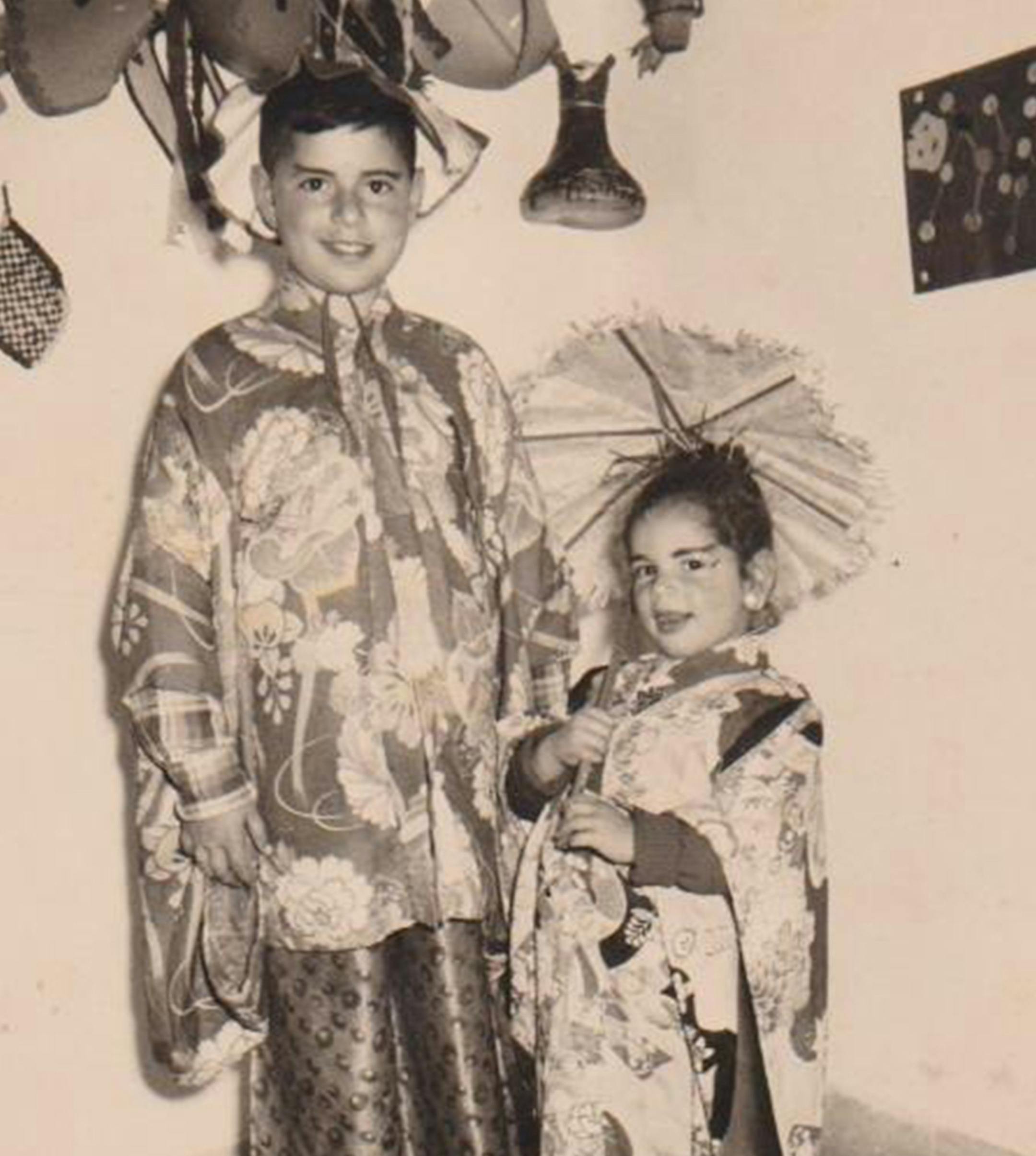
Iris Tzafrir, the daughter of two Holocaust survivors, summoned the courage to dig into her family's history when her son, Avi, asked her to speak on the subject at the Amos and Celia Heilicher Minneapolis Jewish Day School. Tzafrir never would have believed the revelations, and the connections, that would come out of her search.
Until that time in 2010, the St. Louis Park resident had seen the back story as too painful to bring up. Both of her parents lost their nuclear families. However, Tzafrir found that sharing the story was a healing experience.
Since then, she has talked to other school groups. Her three children are her cheerleaders: They "see how I struggle through and continue to do this. It's another demonstration of determination, how important it is to tell the history, to learn from it," she said.
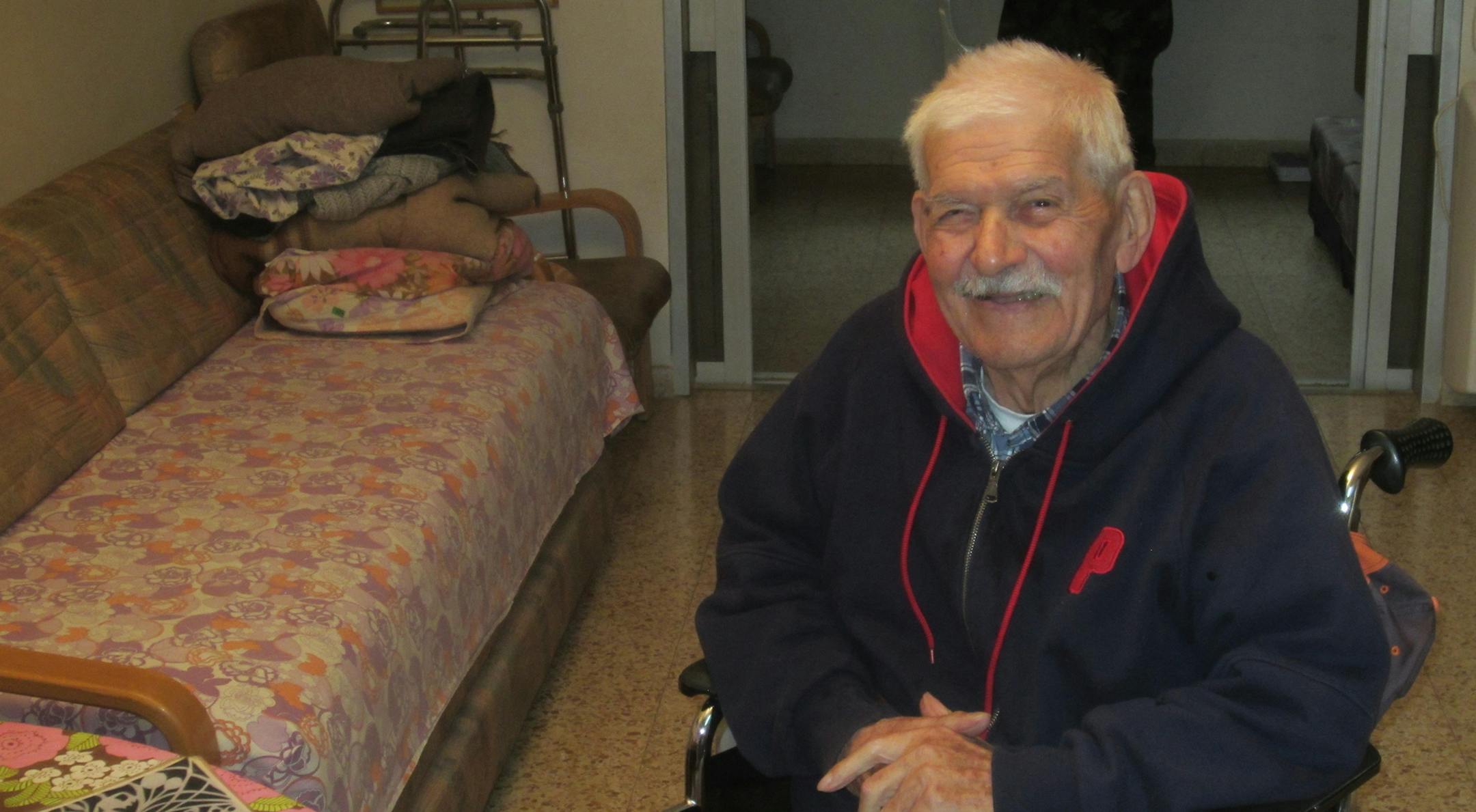
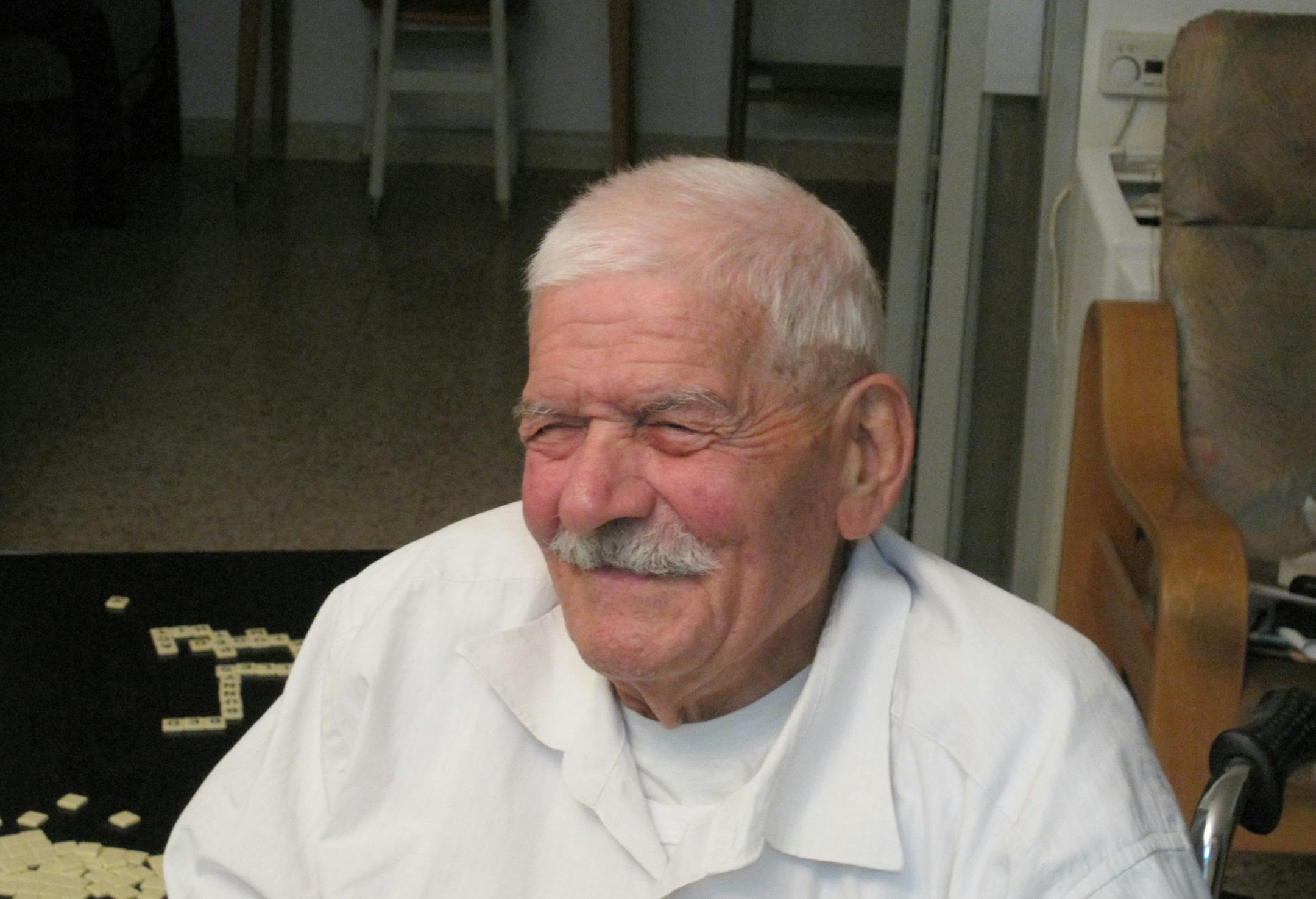
Tzafrir started trying to piece together the past events that had torn her family apart. She and her dad, Yehoshua Tzafrir, and her three siblings, Ouri, Assaf Tzafrir and Ora Aoudi, went to Poland and Germany in 2010. They visited the Auschwitz-Birkenau and Buna-Monowitz concentration camp sites, and they followed his route in the Death March from Buna-Monowitz to Buchenwald, Germany. For Iris, it was a watershed moment: "I determined that this was going to be a very important part of my life," she said.
She began writing a book, "Touching Our Trembling Places." The title alludes to how "we have these places within ourselves that, when we talk about them or think about them, we come to tears," almost inexplicably, she said. "We are very moved."
As she did research, Tzafrir ran into a wall. It was unclear what happened after her father's family was forced into the Nazi-created Kraków Ghetto in Poland in 1941. During the two-year period that followed, his family disappeared. She contacted the United States Holocaust Memorial Museum in Washington, D.C., which investigates queries. She submitted 12 names of family members. Little information surfaced for anyone except Schiendel Lea Lieblich, Yehoshua Tzafrir's older sister. More than 50 documents popped up for her, including a "displaced persons card" indicating her postwar residence.
Tzafrir was stunned, and figured it was a mistake. She forwarded the documents to her siblings, who live in Israel, where she grew up. "You know the feeling when you find out something exciting, you feel like your insides are trembling. That's how I was feeling," she said.
A family reunion
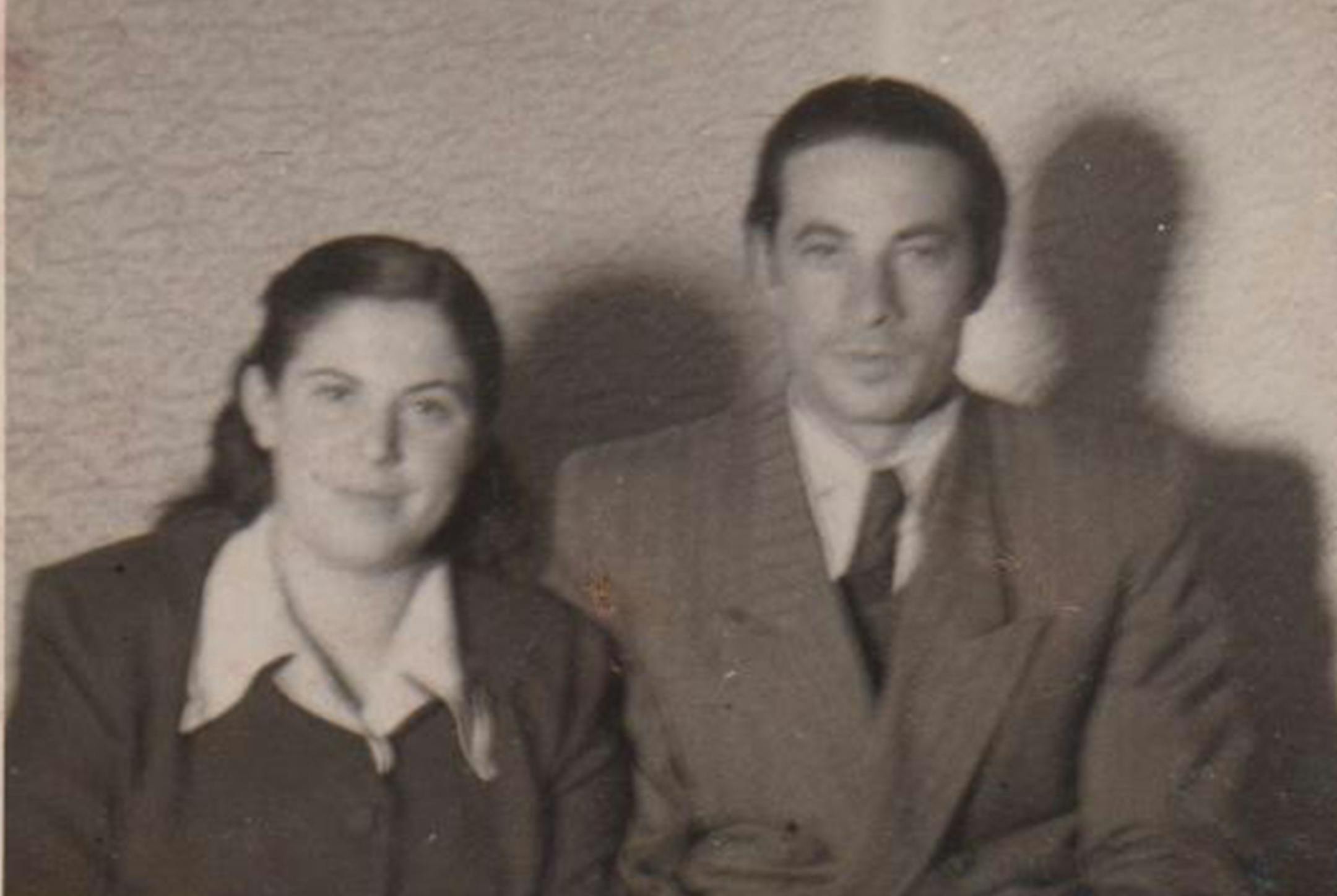
Tzafrir's parents had met in Israel, at the Kibbutz Mishmar-Hanegev, a communal settlement where her 87-year-old father still lives. Her mother, Shari Tzafrir, died five years ago at the age of 80. (Tzafrir came to Minnesota 20 years ago for grad school and has been here ever since.)