With a new home and a group of new board members, the St. Louis Park Historical Society is looking forward to doing more with the past.
Jeanne Andersen, a board member since 2002, said the society recently seated several new board members whom she expects to bring new life to the organization. The society hopes to increase its membership beyond the current number of around 200, which Andersen said is already respectable for a city the size of St. Louis Park.
"We're really pleased to have some new board members who bring different viewpoints and a lot of energy," Andersen said. "St. Louis Park has such a fascinating history, and we're eager to tell the story."
They've got a great location for it. The society's new home at 3546 Dakota Av. S.is in the heart of the city's oldest commercial district, part of an ambitious planned community launched in the 1890s by lumber baron Thomas B. Walker.
Although Walker is widely noted for his connection to Minneapolis — most notably with the Walker Art Center and the Walker Library — his influence on St. Louis Park is less well-known, Andersen said.
"He wanted to create a community in St. Louis Park that would be like Pullman," Andersen said. Pullman, Ill., was a company town for workers who built the Pullman sleeping cars widely used by railroads in the 19th and 20th centuries. Walker sought to create the same kind of integrated community, which would provide employment, housing and retail in the same area — and under the same ownership.
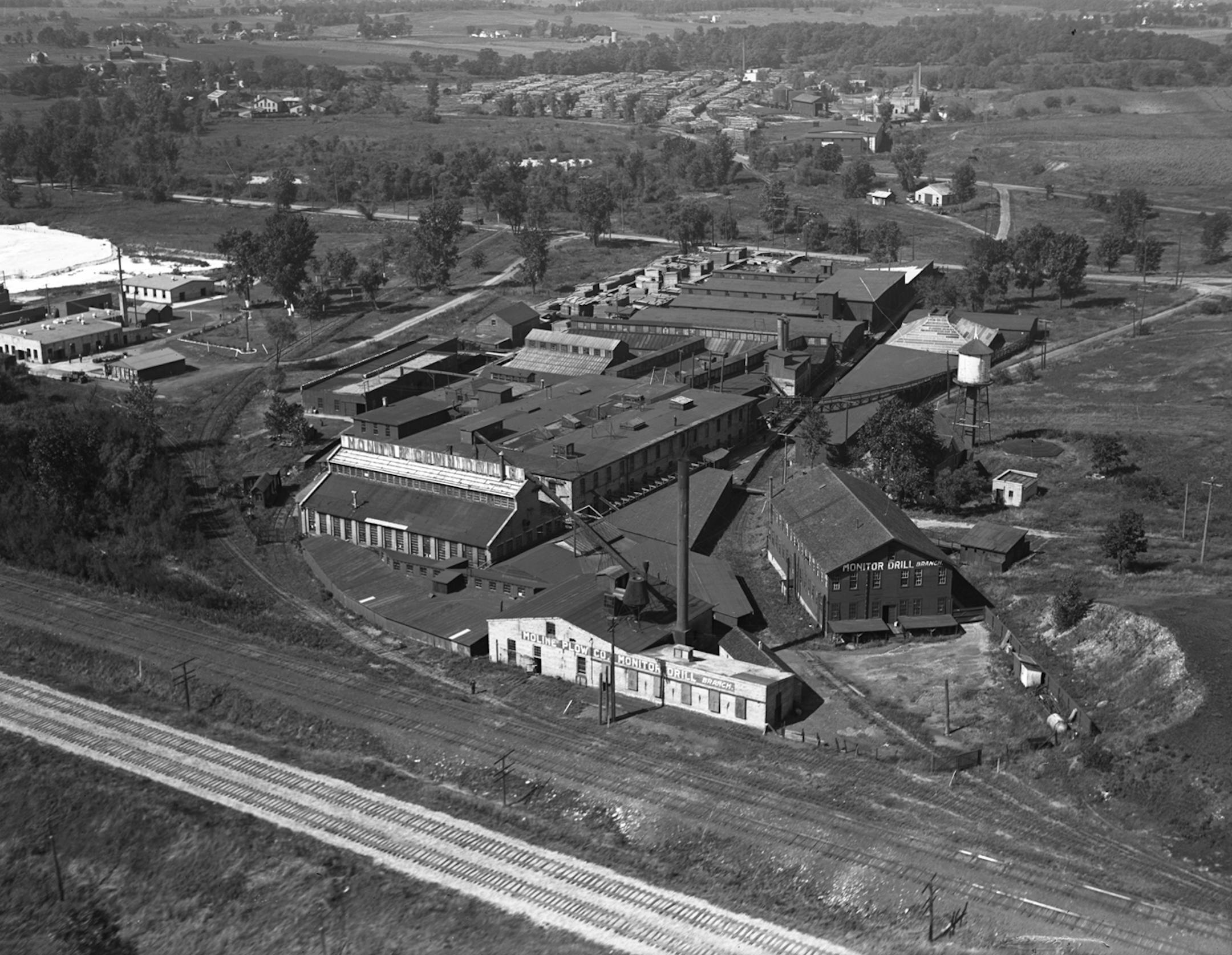
Walker and other prominent businessmen, including Thomas Lowry and Charles Pillsbury, bought about 1,700 acres, roughly between present-day Minnetonka Boulevard and Hwy. 7. They enticed several manufacturing firms to locate there and built houses, hotels, restaurants and grocery stores for the workers. The Panic of 1893 — the nation's worst economic downturn until the Great Depression — ended the venture, but several of the industrial firms in the area continued on for several decades.
Among them was the Monitor Drill Co., which has its own interesting historical footnote. Its owner, Spencer Davis, built a grand home on Kenwood Parkway in Minneapolis that later became famous as the "Mary Tyler Moore house," with its exterior used as the supposed residence of the fictional TV sitcom character.