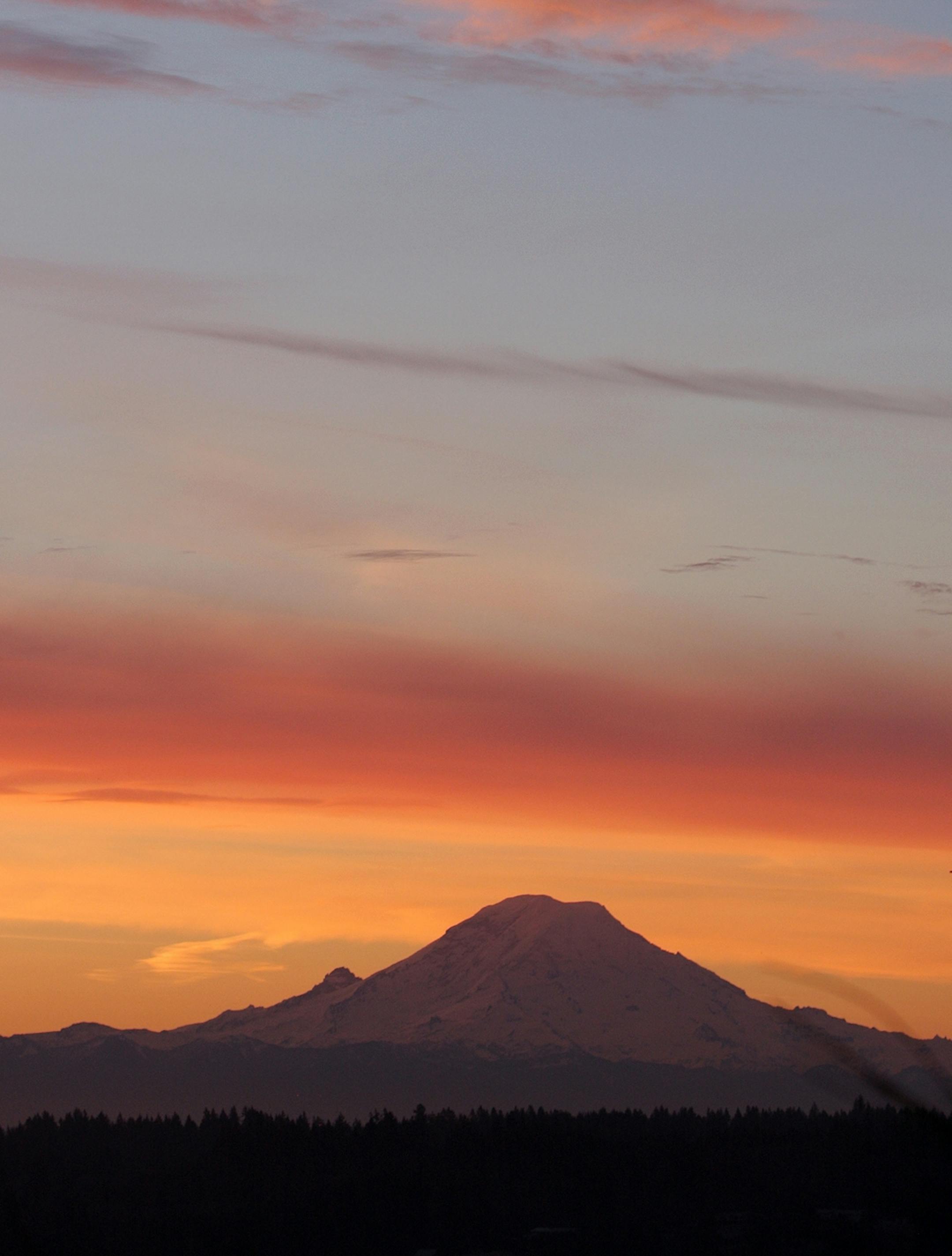
How did it happen? The question has haunted Jeff Alley since he heard that six people climbing Washington's Mount Rainier last month, including his friend Mark Mahaney of St. Paul, were missing and presumed dead.
The climbers' bodies were not recovered, and their fate remains something of a mystery. For days, Alley "obsessed over it," and for good reason. He and his girlfriend, Ashley Melco, were scheduled to leave in just a few weeks to climb Mount Rainier themselves.
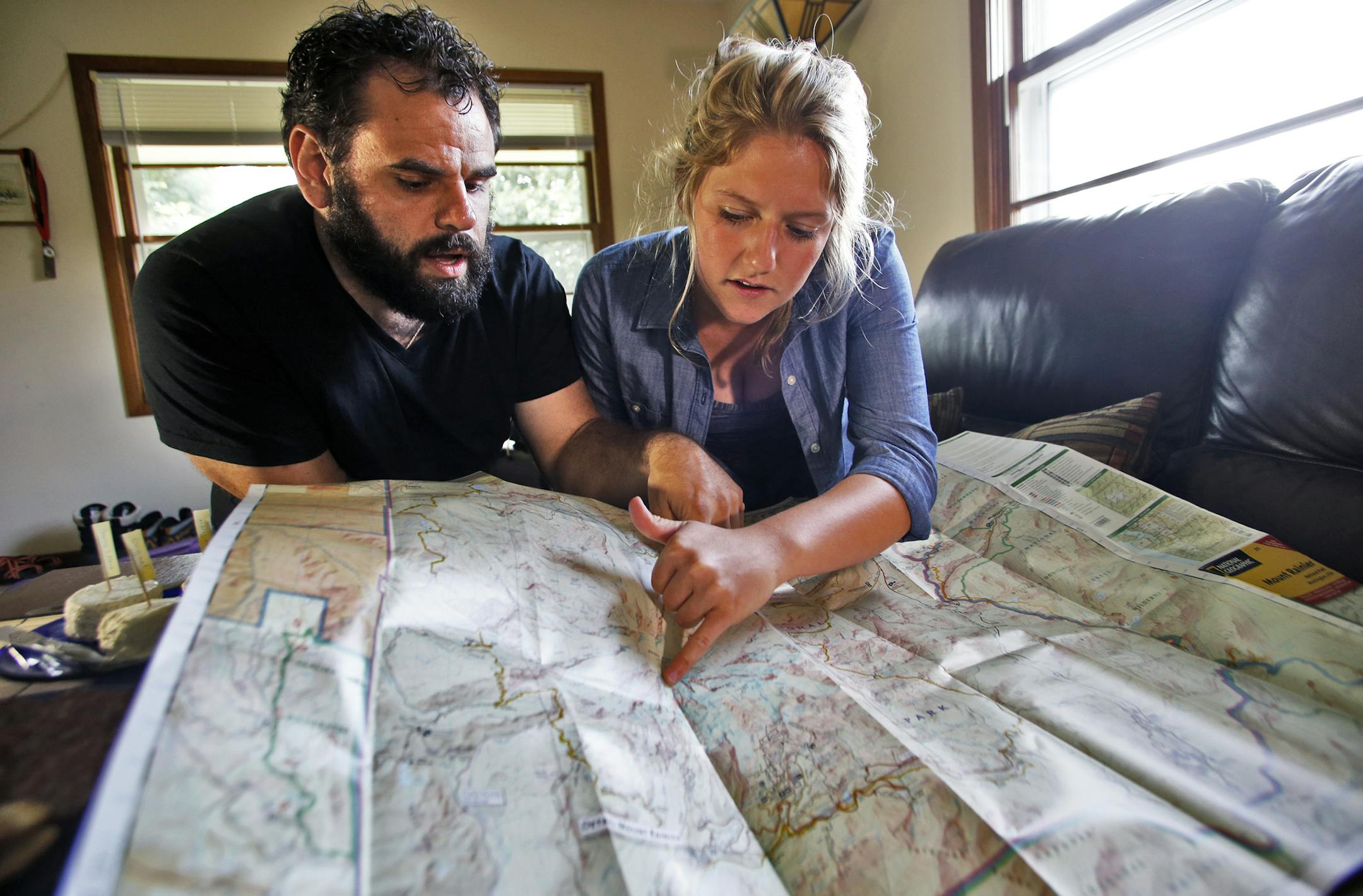
"Mark's passing, with the reminder of life being so vulnerable, definitely puts in perspective what we're doing," Alley said recently in his St. Louis Park home, as he and Melco packed for the expedition.
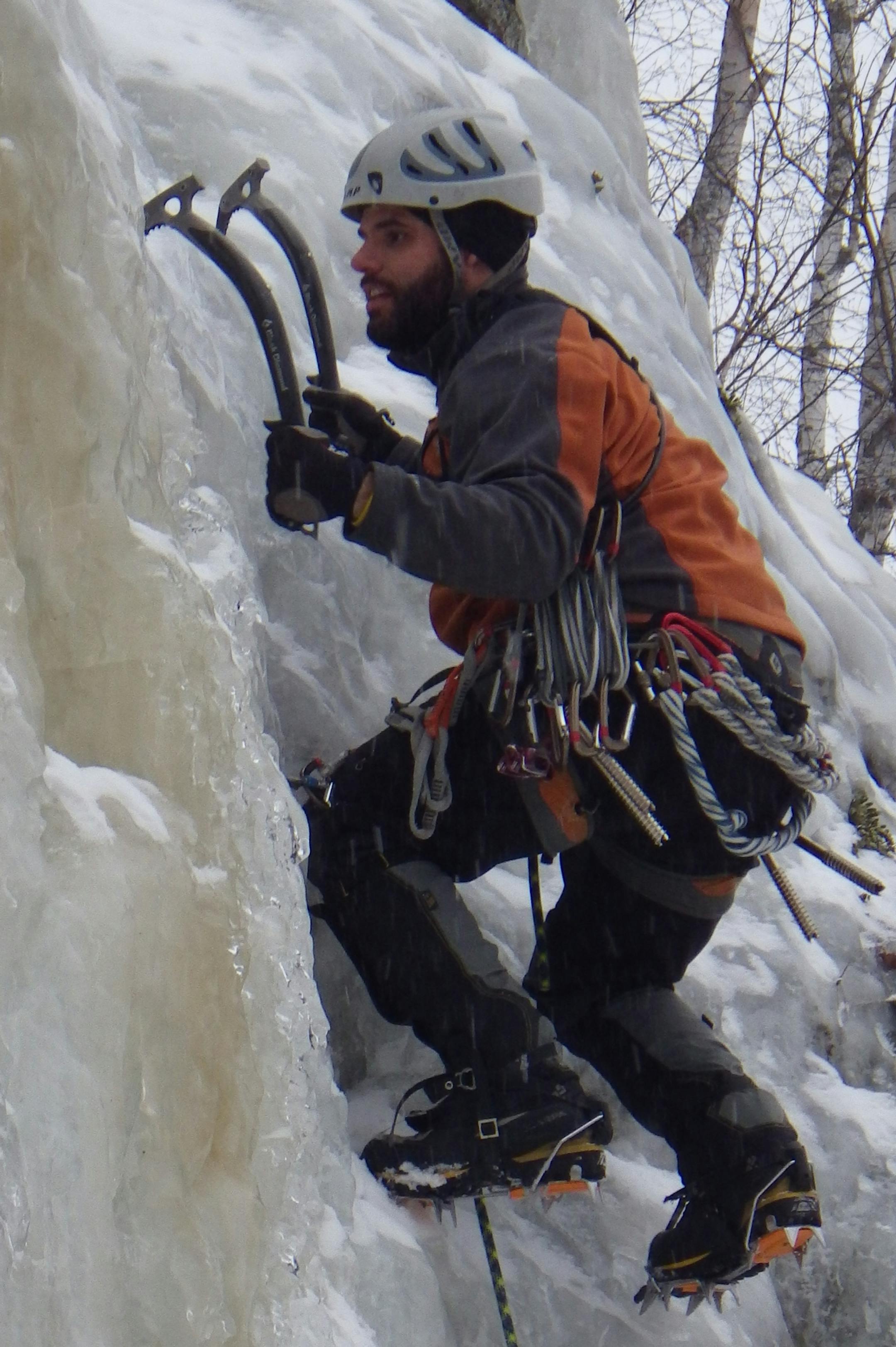
Mahaney, 26, was an "incredibly fit, incredibly strong ice climber — very smart, very intelligent in the way he climbed," Alley said. Despite his skills, and even though his group was led by two seasoned guides — one had reportedly climbed Rainier more than 50 times — something went wrong.
Suddenly, Alley and Melco found themselves thinking more about risk.
"You always know the risk factor is there, but I don't think we really got it," Alley said. "It sort of drove home the point."
Still, they didn't consider canceling the climb. They'd been preparing for the late-June adventure since January, acquiring equipment, training twice a week by donning 40-pound packs and clambering up and down from the Franklin Avenue Bridge.
To people who haven't done it, climbing may look "insane and crazy," said Jeff Engel, a climber for 25 years and a friend of Alley, Melco and Mahaney. Experienced climbers don't see it that way. One climbing blogger, comparing statistics from the Census Bureau and the American Alpine Club, calculated that a mountaineer is 10 times more likely to die in a traffic accident than while climbing.
![Jeff Alley, left, and Ashley Melco with some of the gear they will be using on the climb. ] In an effort to honor their friend Mark Mahaney who recently died in an avalanche while climbing Mt. Rainer, Jeff Alley and Ashley Melco plan to climb Mt. Rainer in the near future. (MARLIN LEVISON/STARTRIBUNE(mlevison@startribune.com)](https://arc.stimg.co/startribunemedia/642JJUYJSFHCWL6POJPNYDWMXU.jpg?&w=1080)