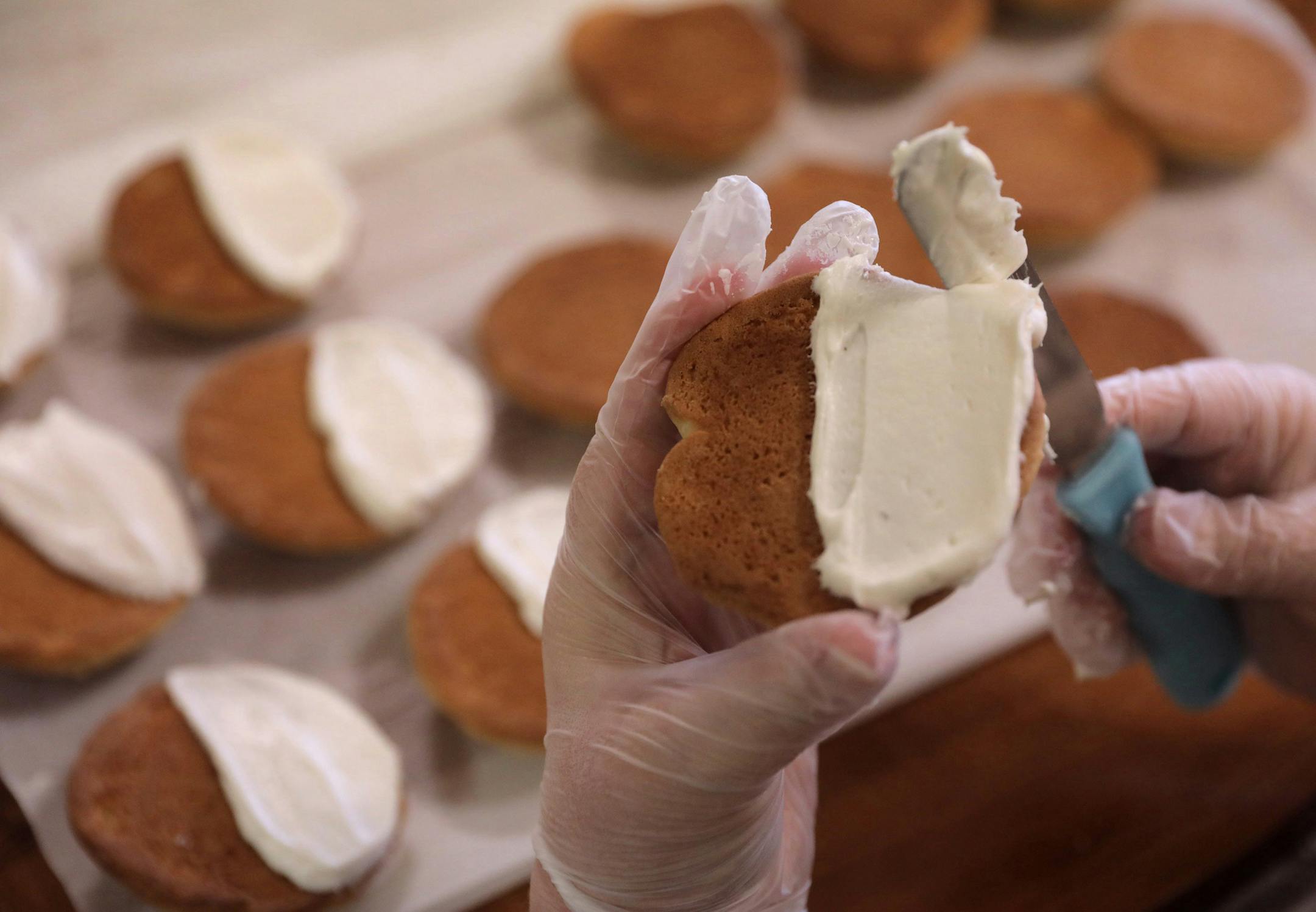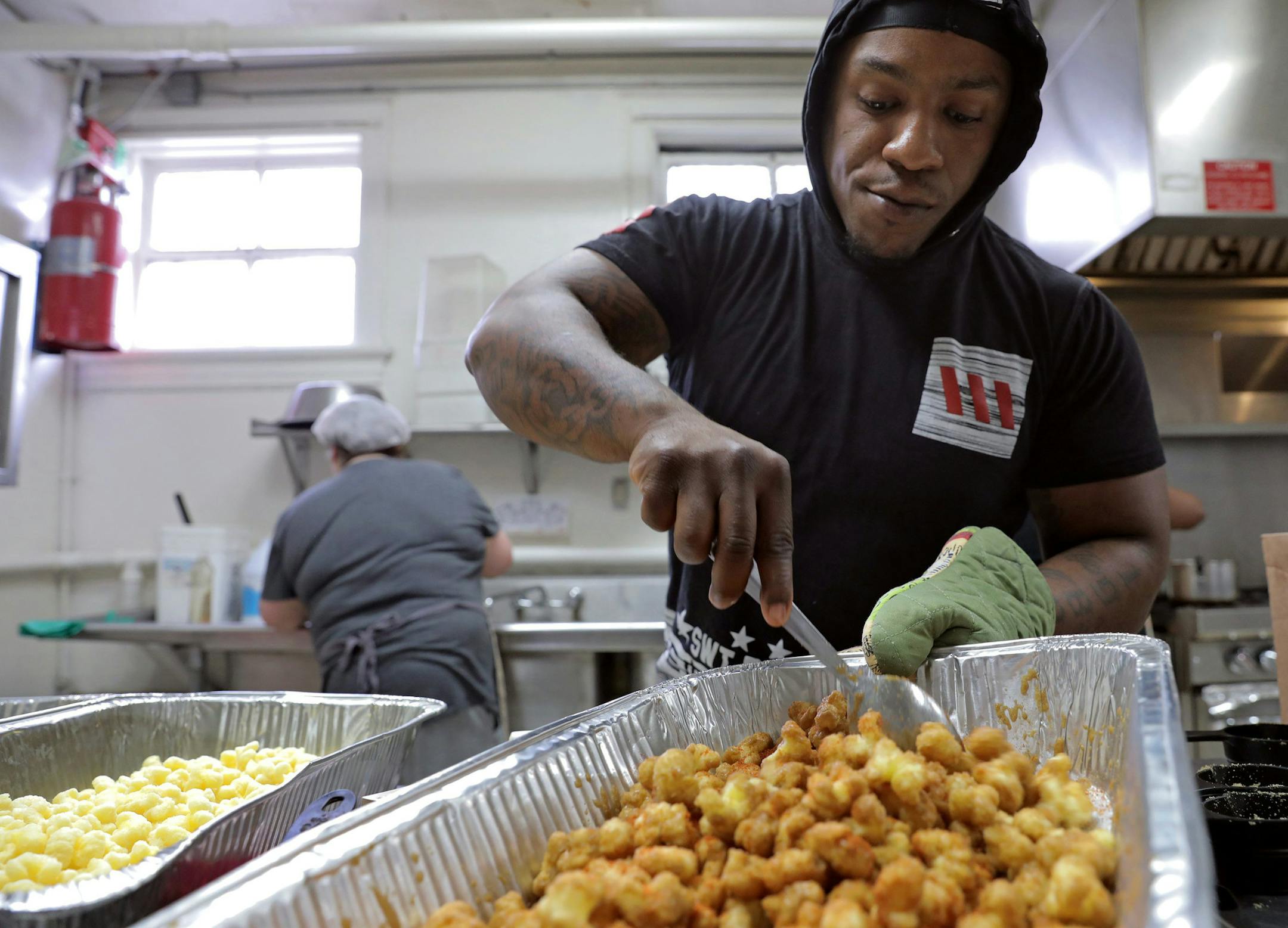
Bakers at a small kitchen in downtown St. Louis need not have prior kitchen experience. Just a felony record.
Laughing Bear Bakery founder Kalen McAllister never asks job candidates what landed them behind bars. She just hopes her growing nonprofit can keep them from going back by providing above-minimum-wage pay, a place to learn job skills and build a work history, and a support network to lean on in tough times.
"I don't care what they did in the past," said McAllister, 66, a retired chaplain at the Farmington Correctional Center. "I only care what they do this day forward."
More than 40 percent of former inmates end up back behind bars, according to crime statistics. Lack of community support and the inability to find a good job are primary reasons why ex-offenders, many of whom also battle mental health issues or drug addiction, return to jail, McAllister said.
Many inmates have been behind bars so long that their families have disowned them and they have no one to go to, she said.
"Inmates would come to me upset and shaking, saying, 'I don't have a job, I have nowhere to go,' " McAllister said. "You've been locked away and told what to do every hour, and then suddenly you're out with nothing."
McAllister, an avid home baker, started Laughing Bear in 2015 with only $2,000 in donations and no detailed business plan. It operates out of the basement of a United Methodist Church and sells an array of sweets and treats at nearby grocery stores and area farmers markets.
Among 18 ex-cons who have worked at the bakery, which is meant as a steppingstone to other jobs, just one has ended up back behind bars. Most have moved on to find full-time jobs, McAllister said. The bakery currently employs five ex-cons and pays $11 an hour.