

There are as many as 1,170 structurally deficient bridges across Minnesota. You may be one of the estimated 2.4 million Minnesota drivers traveling over these deficient bridges each day. Or maybe it's your child's school bus?
After the tragic collapse of the Interstate 35W bridge in Minneapolis, I traveled with Minnesota Department of Transportation officials to examine troubled bridges in my district.
While our group was inspecting the Cayuga Street Bridge that spans Interstate 35E, a large chunk of concrete broke free from the bridge and fell only feet from us. Every day, 148,000 cars cross the crumbling Cayuga Street Bridge. That chunk of concrete represents how dire this situation has become.
In my own east-metro congressional district, there are 53 structurally deficient bridges. By volume of traffic, seven of our state's 10 busiest and worst bridges are in Ramsey County, which I represent.
Of course, my district is not unique. My U.S. House colleagues Tim Walz and Chip Cravaack have a combined total of more than 600 substandard bridges in their southern and northeastern Minnesota congressional districts.
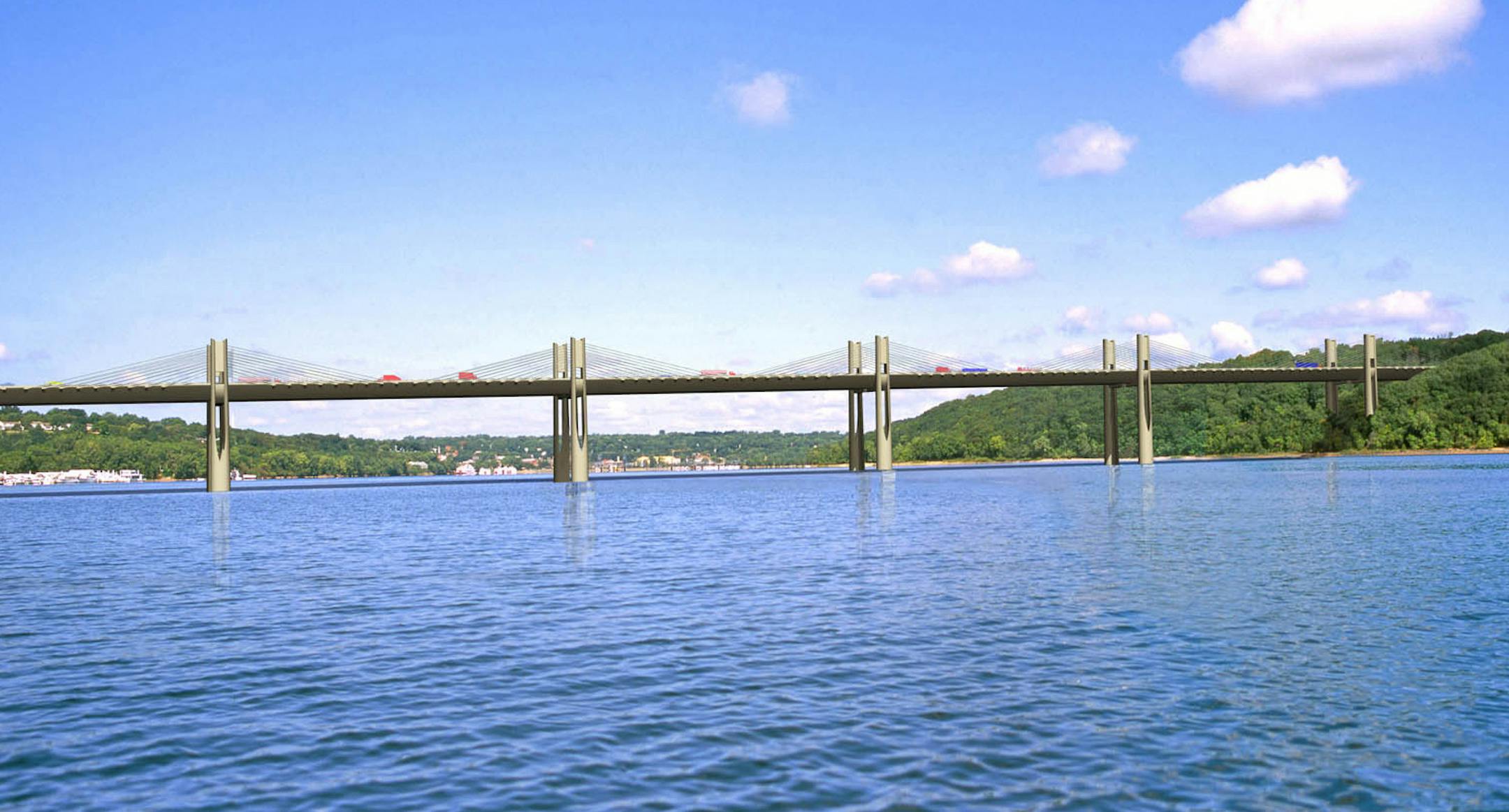
Unfortunately for the millions of Minnesotans traveling over these deficient and potentially dangerous bridges every day, there is one bridge replacement project that appears to take both political and funding priority over all other local bridges -- the proposed $700 million replacement for the antiquated Stillwater Lift Bridge that would connect to Houlton, Wis. (pop. 1,660).
MnDOT already has earmarked over $360 million in federal and state funds for the Stillwater replacement, severely limiting the available transportation resources for critical bridge and road safety projects in the rest of Minnesota, according to concerned state legislators.
The proposed four-lane St. Croix megabridge would be located only six miles from the existing eight-lane Interstate 94 crossing. It would serve 18,000 cars and heavy trucks per day.


