

Since 1995, Los Angeles has been an anomaly: a huge city with lots of sports fans that has exactly as much professional football as Billings, Montana. This week, Angelenos got a bit of good news: They still aren't getting an NFL franchise.
A corporation called AEG announced Monday that it was giving up on its effort, endorsed by Mayor Eric Garcetti, to build a new football stadium as part of a renovated downtown convention center. So one of the groups vying to induce a team to move from some other city — St. Louis, Oakland, San Diego — is out.
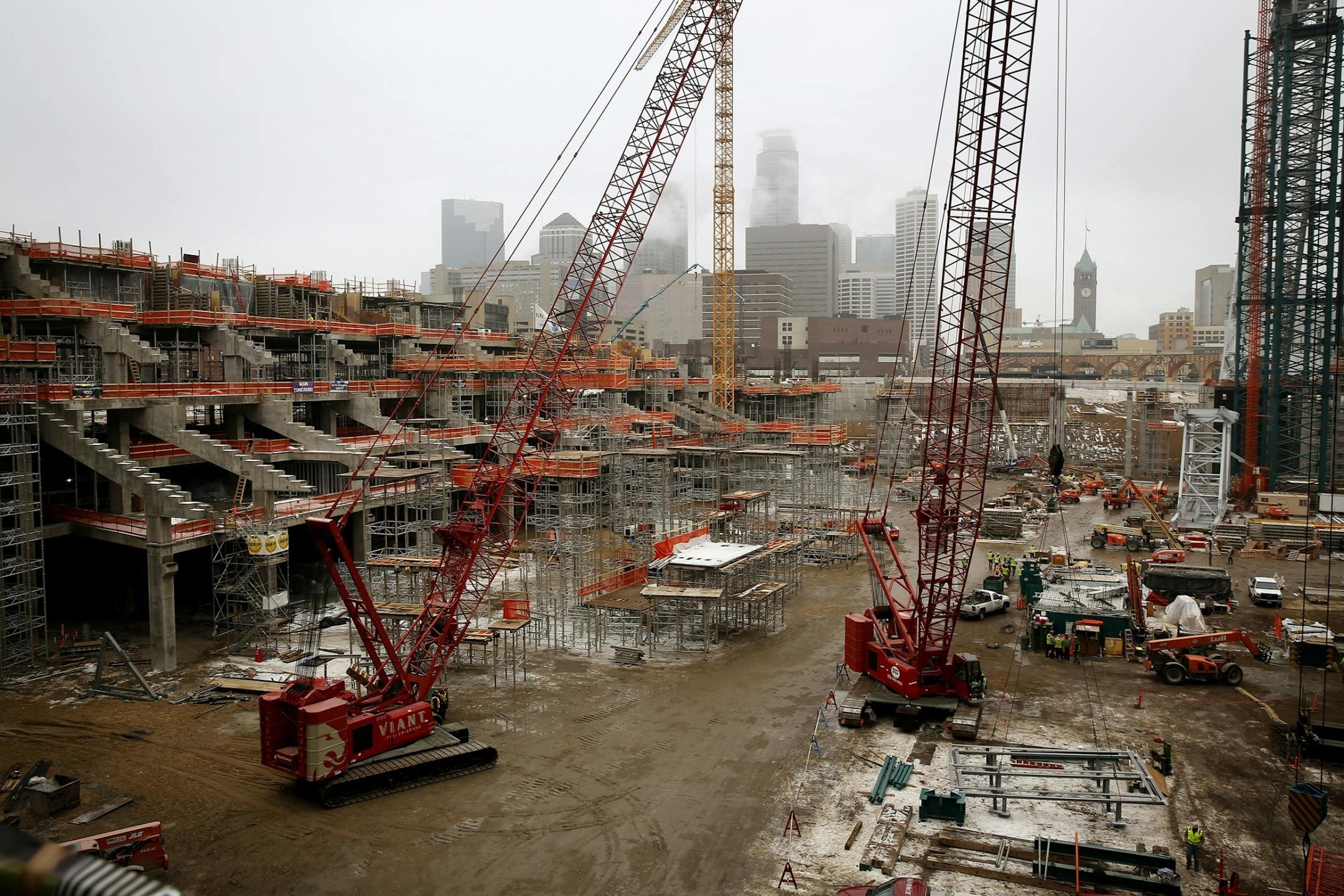
This is good news because attracting a team would probably mean piling a burden on local taxpayers to enrich owners who are already wealthy. Local taxpayers would have been on the hook for $350 million in debt to finance the new arena, on top of the $322 million left to be paid on the current convention center. And taxpayers elsewhere would have been effectively sharing the load, because the bonds used to get the money would have been exempt from federal taxes.
But Southern Californians are not free of the threat of having to pay for a professional football team that most of them will never go to see. (When the Rams were still in Los Angeles, before decamping for Missouri, they had the worst attendance in the league.) Inglewood is planning a facility that would house an NFL franchise, and Carson is hoping to build an arena to be shared by two of them, the Chargers and the Raiders.
St. Louis and Missouri have countered by proposing to build the Rams a new stadium, which could involve $350 million in state bonds. You could almost forget that the Edward Jones Dome is just 20 years old and was built, with public help, to lure the team.
University of Chicago economist Allen Sanderson has a better idea: Pay the Rams to keep playing there. "It would be far preferable for the mayor of St. Louis to write a check to the Rams' owner for, say, $100 million and let it go at that, essentially a bribe to stay put and shut up," he told me.
This is a second-best option, he admits. He has a sensible preference that local governments and the feds provide no money at all. NFL teams are rich entities, and there is no reason their owners shouldn't pay for their own playgrounds.
No reason, that is, except that they can usually get cities to offer them money to come or stay. The Miami Marlins got public assistance in building a gaudy retractable-roof ballpark, most of whose costs were paid by local governments.


