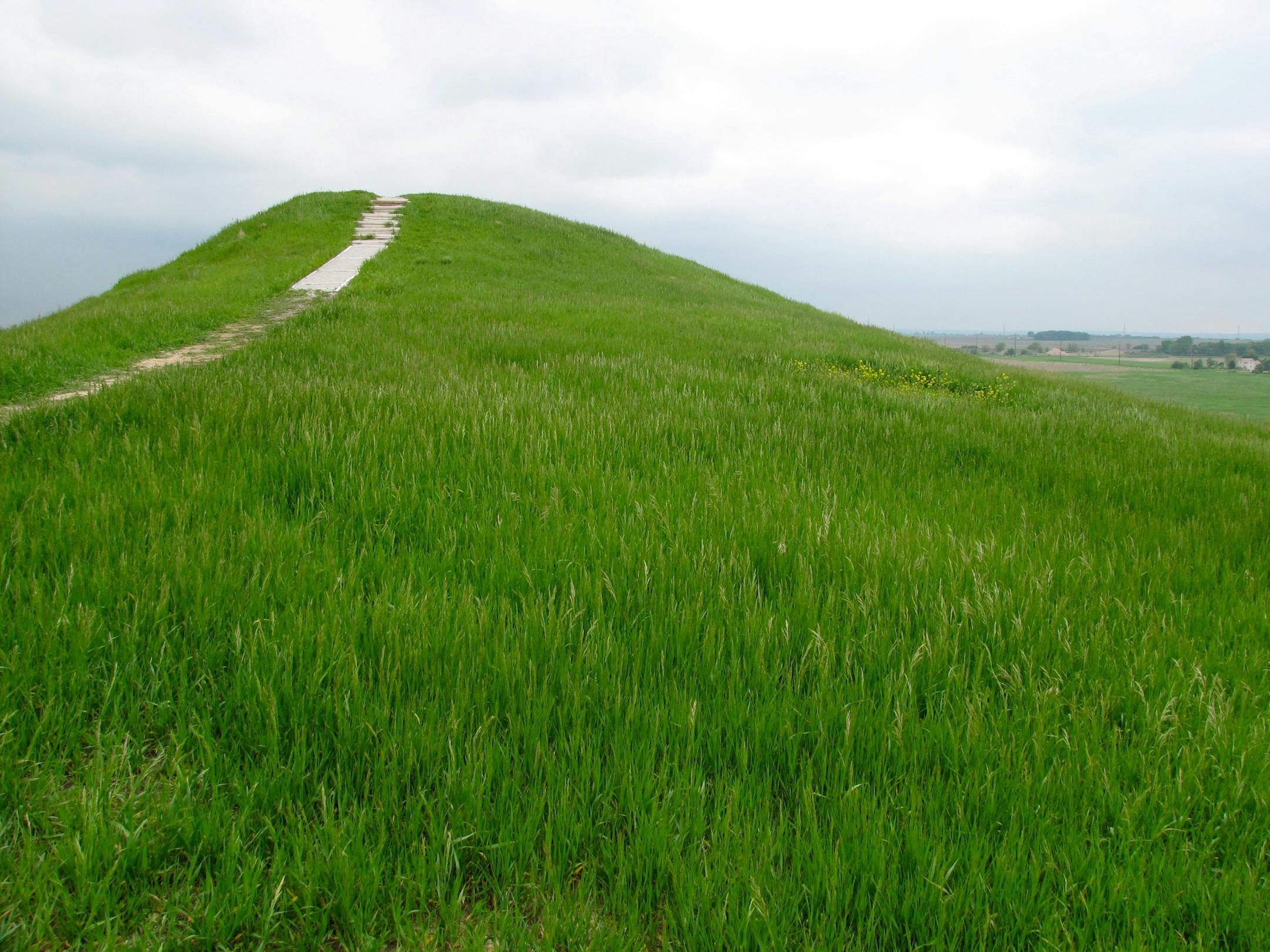
Famed explorers Lewis and Clark once ventured inland from the Missouri River in search of legendary "little devils." Tribal stories said the evil spirits inhabited a conical hilltop that rises above the prairie near Vermillion, S.D.
No devils were found.
These days, the spirits conjured are those of the explorers themselves. Standing on what's now called Spirit Mound Historic Prairie, part of the Lewis & Clark National Historic Trail, it doesn't take much imagination to picture this landscape as the expedition saw it in 1804.
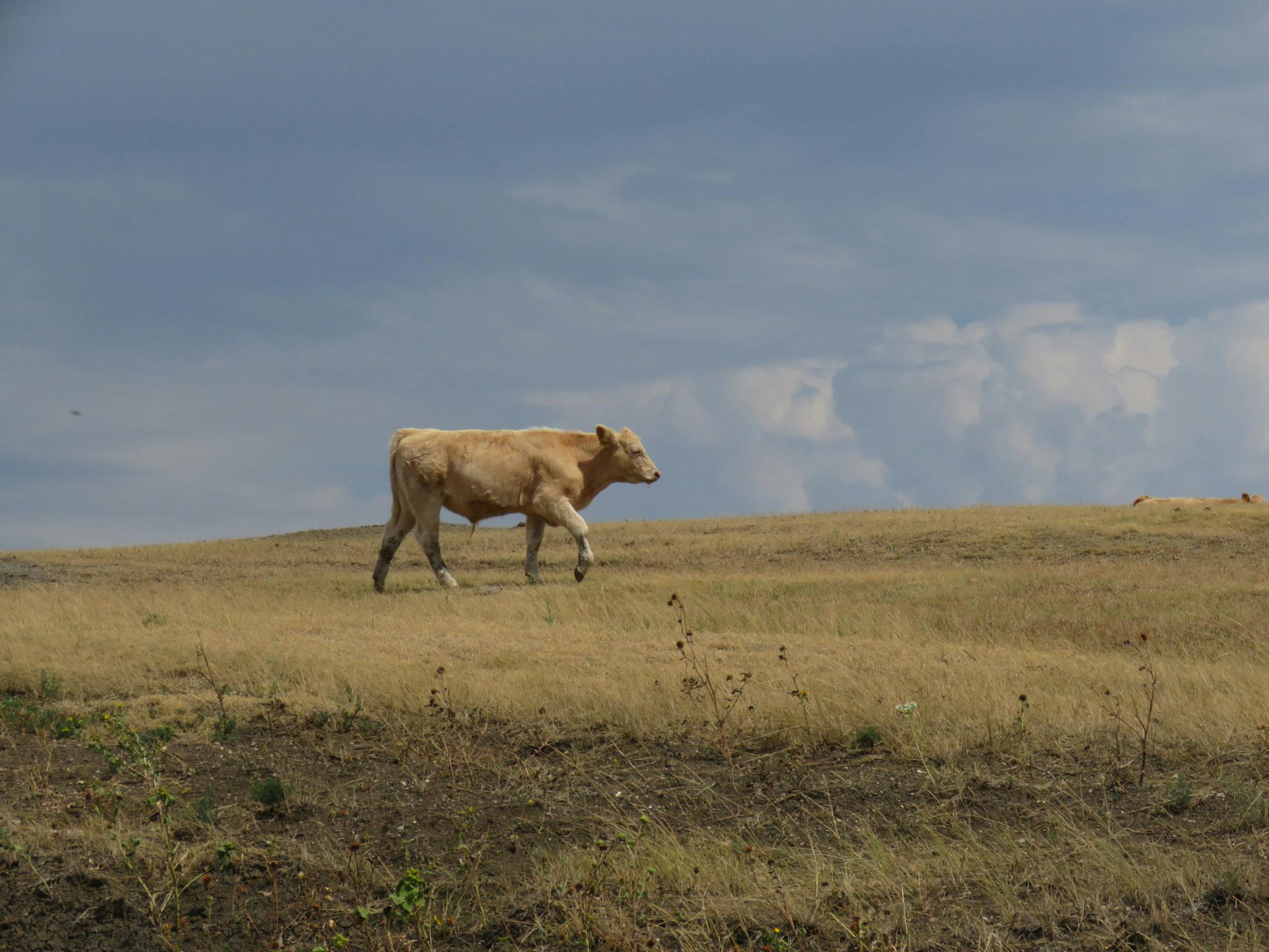
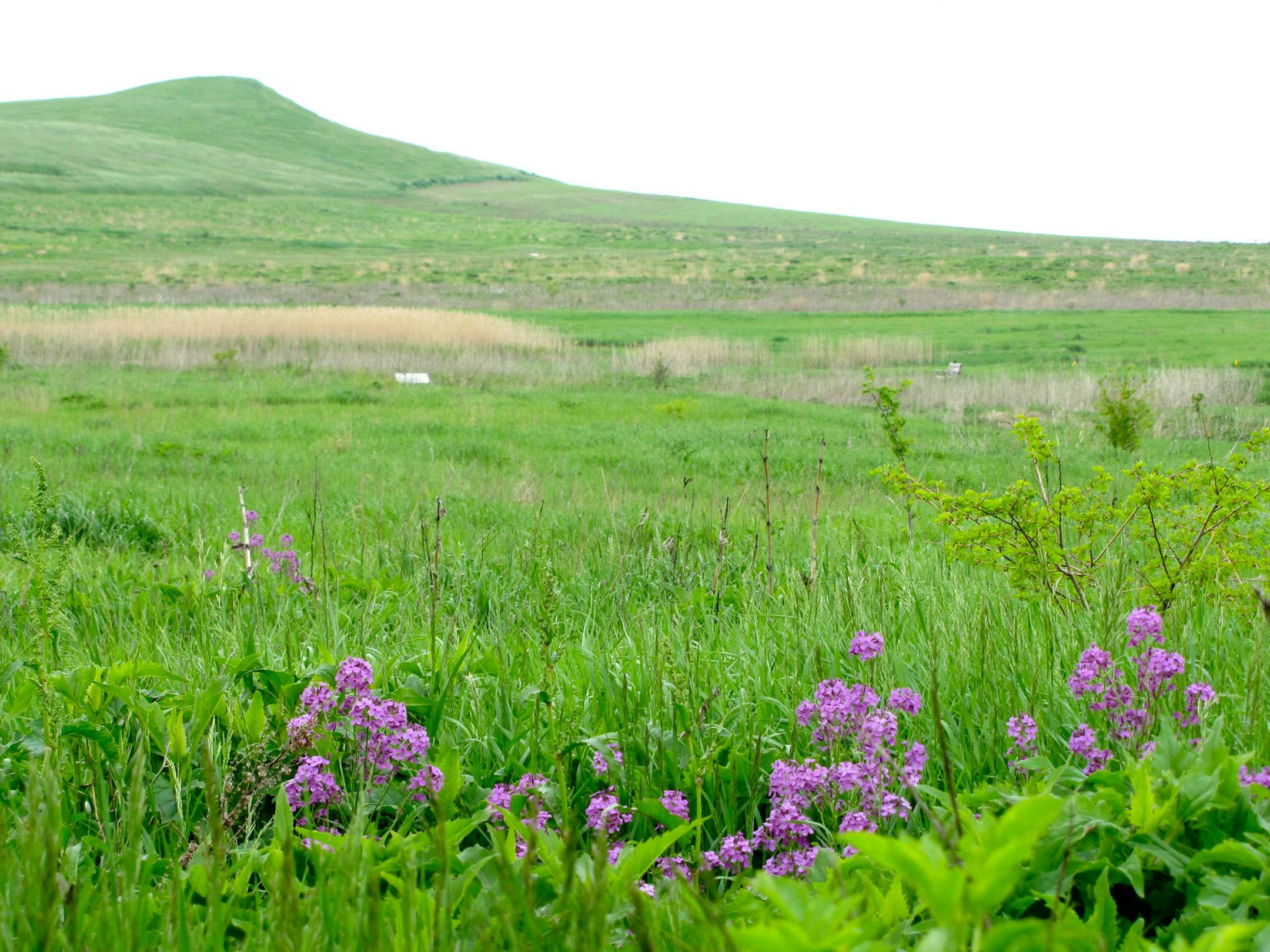
Herds of bison no longer roam freely, but prairie flowers dot the landscape with purple. Blue sky arches like an umbrella. And a bench beckons me to sit and listen for meadowlarks or bobolinks singing among grasses that ripple like a green ocean.
Serene solitude and a welcome sense of timelessness can be found throughout South Dakota. As the fifth least densely populated state — behind Alaska, Wyoming, North Dakota and Montana — it averages 11 people per square mile. Most live near Sioux Falls in the east or Rapid City in the west, both thriving urban hubs drawing an increasing number of young people back to their home state to start restaurants, breweries and farms where quality of life is like the prairie: deeply rooted.
That leaves plenty of small towns, dirt roads winding past sunflower fields and pastures, and scenic bluffs for travelers hungry for an open road and an uncluttered landscape.
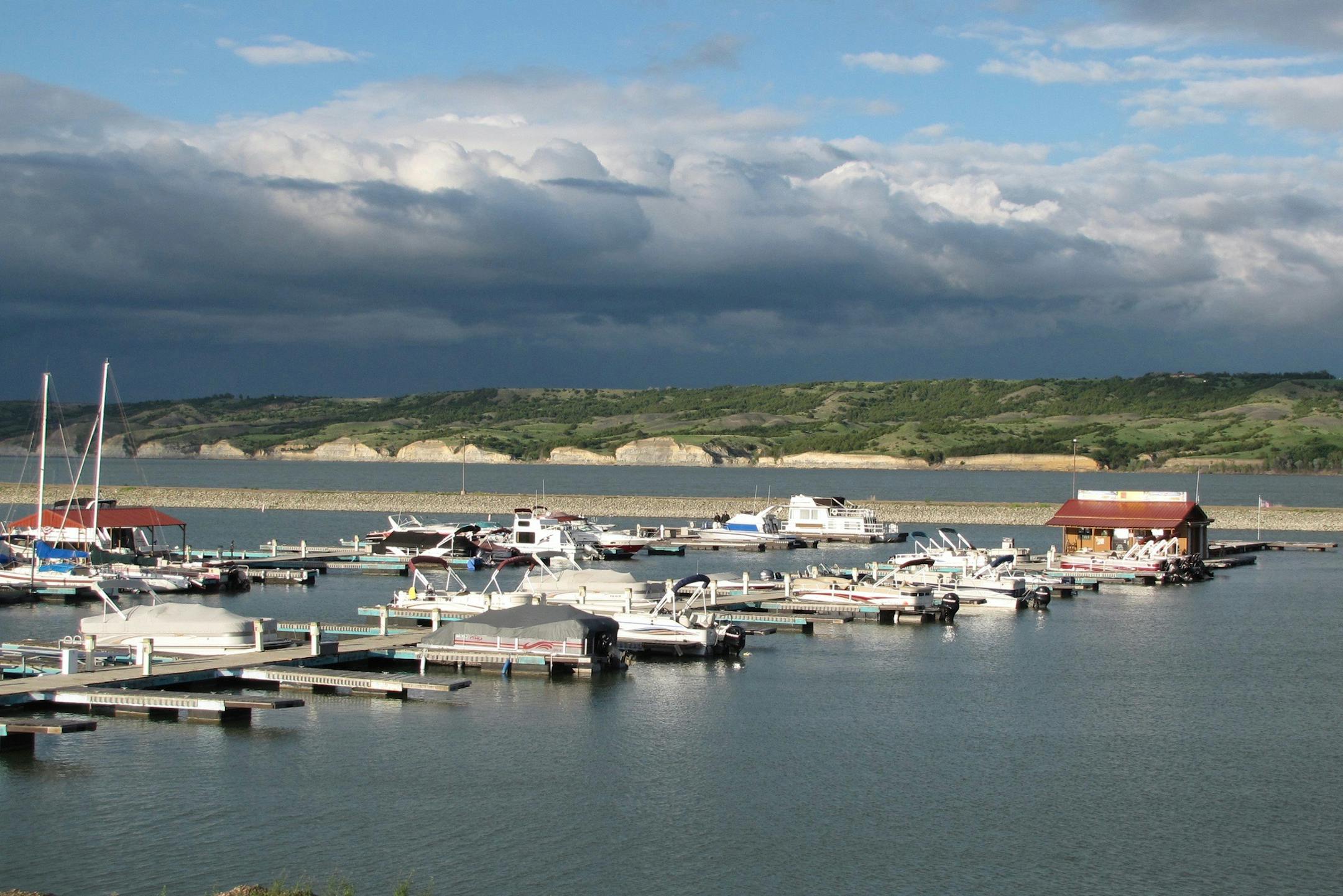
The Missouri River, in particular, beckons with its rich Lakota history, natural beauty, lakes and dams, and tales of Lewis and Clark.
The Missouri, which originates in Three Forks, Mont., makes a 2,300-mile journey to St. Louis, where it joins the Mississippi River and where Lewis and Clark began their epic three-year quest to find a route to the Pacific Ocean. Combined with the Mississippi, the Missouri forms the world's fourth largest river system.