

What is specifically American about American classical music? In the search for answers, William Bolcom's "Commedia, for (almost) 18th-Century Orchestra" is as good a place to start looking as any.
"Commedia" opened Saturday evening's Thanksgiving weekend concert at the St. Paul Chamber Orchestra. It is full of the unpredictable, heterodox energies that mark the American creative spirit.
Take a liberal dose of Ives, add a splash of Berlioz, stir it up with Bolcom's own gleeful sense of mischief, and you get the picture: a swirling, multilayered jitterbug of a piece, a happy, mashed-up metaphor for America itself, in all its bustling complexity.
David Pharris' screeching clarinet riffs stood out in the SPCO's droll, affectionate performance of "Commedia." So did the urbane playing of the offstage string trio, a graceful memory from a calmer, less crazily jumbled era.
Retrospection loomed even larger in John Corigliano's "Snapshot: Circa 1909," a musical meditation on an old family photograph of the composer's father and uncle.
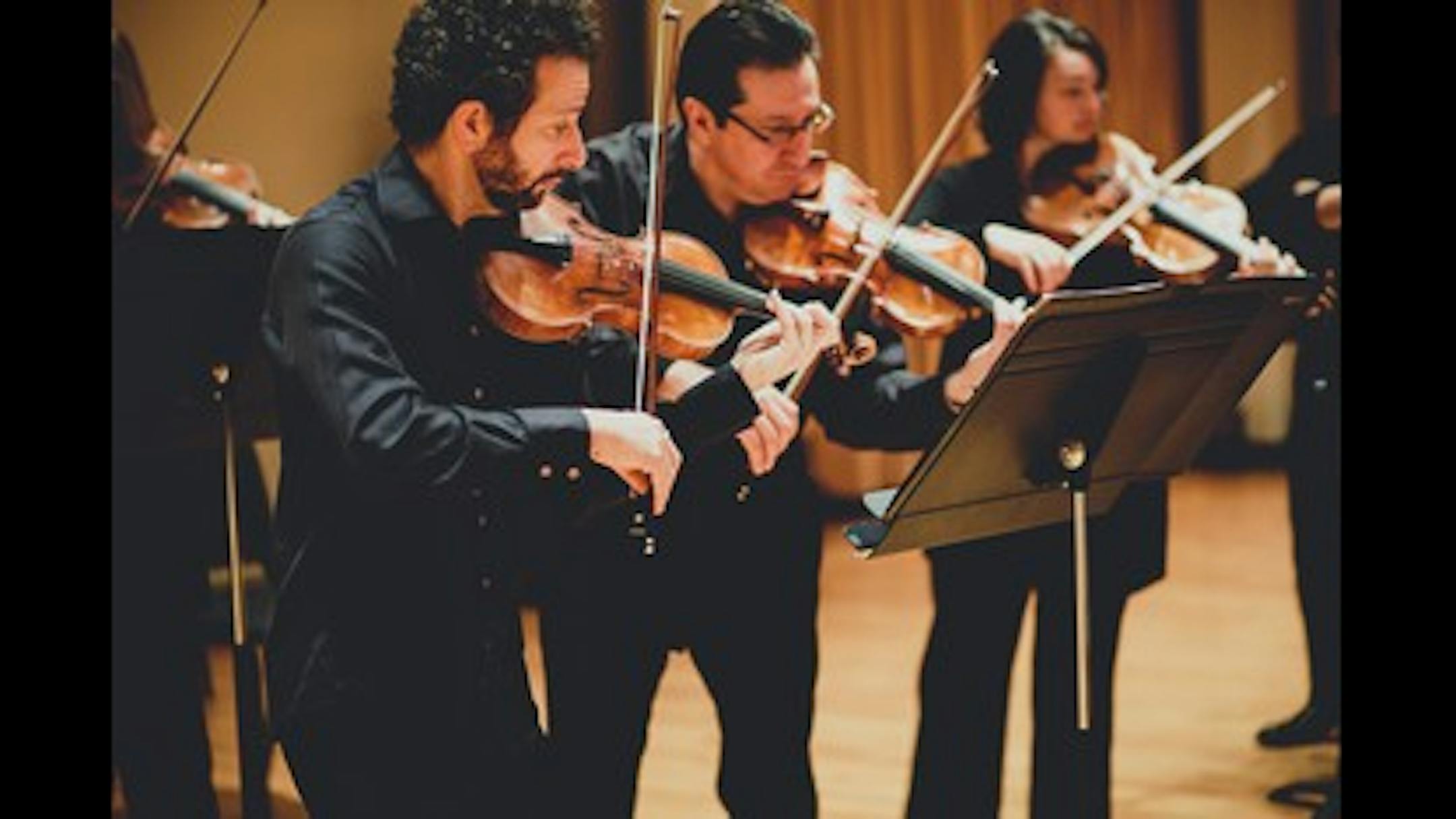
The tone was sepia-tinted, the detail etched by two outstanding sensitive soloists on violin — the sweetly nostalgic Kyu-Young Kim, and Ruggero Allifranchini, spinning a stratospherically aspiring line above him.
More Bolcom followed — his "Graceful Ghost Rag," in a svelte account by violinist Maureen Nelson and pianist Timothy Lovelace.
Gershwin's "Promenade (Walking the Dog)" was, by contrast, all cheekiness and light-toed swagger. Clarinetist Gabriel Campos Zamora, moonlighting from the Minnesota Orchestra, bent the bendy notes with relish and put plenty of spring into the step of a piece originally written for a Fred Astaire movie.


